


Q & A Library


Print this page | Send to a friend | Sign up for free e-bulletins
 | Bookmark This Page

FREE E-Bulletins
Free HealthTips & Advice
Email


Digg!

Q
Do Soy Foods Cause Cancer?
What's the latest on the soy-breast cancer connection? I just heard a report about a newly discovered link.
A
Answer (Published 8/12/2004)

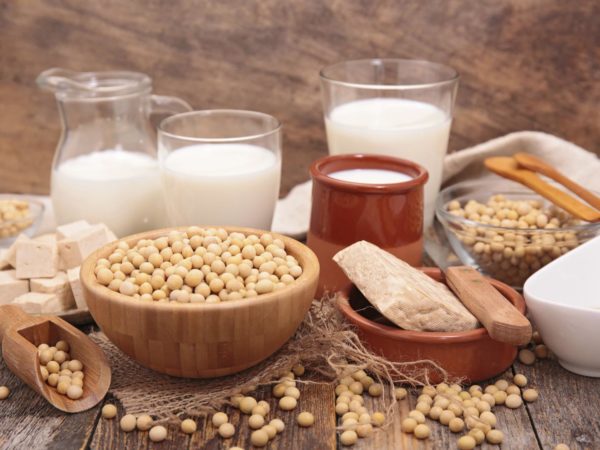
Researchers at the University of Illinois at Urbana-Champaign recently announced results of research suggesting that the highly purified soy foods and soy supplements marketed in the United States may promote the growth of some pre-existing breast cancers. The study results, to be published in a future issue of the journal Carcinogenesis, showed that breast tumors in mice grew when the animals were fed highly processed soy products missing some of the natural components of whole soybeans. In the study, scientists used products that contained the soy isoflavone genestein in various stages of isolated purity. Breast tumors neither grew nor regressed when the mice were fed foods containing minimally processed soy flour. Whole soy foods, such as tofu, tempeh, edamame and miso - much used in Asian diets - seem to be protective.

Related Weil Products
Dr. Weil on Healthy Aging for Women's Health Issues - If you are going through menopause, a support group can be helpful. The Dr. Weil on Healthy Aging online guide has a vibrant, active community of supportive members, and a dedicated moderator to help guide you along. Start your 14-day free trial now!

A little background may help to explain the potential relevance of these findings. First of all, rates of breast cancer in Asia are much lower than they are in the U.S., and this difference may be related to the fact that Asian women eat much more soy than Western women. The compounds in soy that may make the difference are isoflavones, which are biologically active with phytoestrogenic (plant estrogen) effects. These hormones are weaker than the estrogens produced in women's bodies and those from such external sources as meats and dairy products from hormone-fed animals, as well as artificial chemicals and industrial pollutants that act as estrogen.

As far as the new findings about soy and breast cancer are concerned, take note that the mice had pre-existing cancer. The highly processed soy foods didn't cause the cancer to appear but did promote its growth. A few previous studies have shown that certain isoflavone products act selectively, influencing the mechanisms in the body that cause symptoms such as hot flashes, while not showing effects on breast or uterine tissue.

advertisement

The study director, William G. Helferich, a professor of food science and human nutrition, said that his study results suggest that highly processed isoflavone-containing products may pose a risk to postmenopausal women who are consuming them as an alternative to hormone replacement therapy.

Until further research answers the question of safety with long-term use, I recommend that you avoid soy supplements entirely. However, I still recommend one to two servings a day of whole soy foods. A serving is a cup of soy milk or one half-cup of tofu, tempeh, edamame or soy nuts. At those amounts you'll get the benefits of soy without the theoretical risks of taking in too many isoflavones.

Andrew Weil, M.D.

advertisement
 
Copyright © 2009 Weil Lifestyle, LLC
Information on this web site is provided for informational purposes only and is not intended as a substitute for the advice provided by your physician or other healthcare professional. You should not use the information on this web site for diagnosing or treating a health problem or disease, or prescribing any medication or other treatment.