

3 Ways to Avoid Added Hormones in Meat

An estimated two-thirds of the cattle raised in the U.S. are given hormones, including testosterone and estrogen, to help boost growth and production. Make minimizing your consumption of meats that have added growth hormones a priority: hormone residues in food may increase the risk of breast cancer and other reproductive system cancers among women, and may promote development of prostate cancer in men.

Considering the following when shopping:

  1. Know which animals are likely to contain these unwanted hormones. Currently cattle and sheep are the only animals allowed to have growth hormones added.  The USDA does not permit the use of hormones in hogs; chickens, turkeys and other fowl; or venison.
  1. Read labels carefully. Look for the words "no hormones administered" on packaging, which indicates these chemicals were not used in raising the animals.
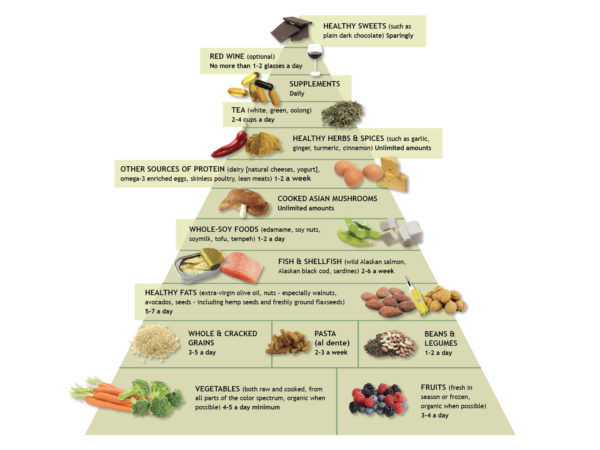
  1. Use meat alternatives if hormone-free animal products are cost-prohibitive. You can substitute vegetable protein for meats (beans, legumes and mushrooms are hearty vegetarian options that work well as meat substitutes); or use faux meat, such as products made from whole soy that duplicate the texture and appearance of meats.

Foods for Health
From "10 Vegetables You Need in Your Kitchen" to monthly Seasonal Food lists, Dr. Weil on Healthy Aging has everything you need to follow a healthy diet - and enjoy it. Sign up today for a 14-day free trial, and check out our hundreds of recipes (most are meat-free), eating guides and shopping tips!