
advertisement


Vitamin Library


Print this page | Send to a friend | Sign up for free e-bulletins
 | Bookmark This Page

Choline

broccoli

Sponsored by Dr. Weil's Vitamin Advisor.

What is choline?
Choline is not, by strict definition, a vitamin, but it is an essential nutrient. While there is not yet an official Daily Value regarding how much choline is required to avoid deficiencies, Adequate Intake (AI) levels for choline were established  by the National Academy of Sciences in 1998. Although the human body is capable of synthesizing choline, blood levels are most commonly maintained through consumption of liver, eggs, breast milk or other choline-rich foods. Research shows choline is vital for healthy liver function and brain development.

Why is it necessary?
Choline is used in a variety of ways by our bodies including aiding nerve signaling, maintenance of cell membranes, transporting fat cells from our liver, and in early brain development. Choline is especially important for newborns and young children in the development of the brain and its functions. Choline is also a precursor of acetylcholine, a neurotransmitter vital to nerve and muscle function. Without an adequate intake of choline in the diet, there is a higher risk of liver damage and possibly chronic liver failure. Choline is vital in forming very low density lipoprotein (VLDL) in the bloodstream, which helps transport fat from the liver to the cells of the body.

What are the signs of a deficiency?
There is a higher suspicion of choline deficiency in people with a condition known as fatty liver. In rats, dietary choline deficiency has been associated with an increased incidence of liver cancer. Choline may also play a role in memory; conversely, memory loss and dementia may indicate choline deficiency, though more research is needed to establish the connection.

How much, and what kind, does an adult need?
The National Academy of Sciences established an Adequate Intake level of 550 mg for men and 425 mg for women. There is no official Daily Value recommendation, but Dr. Weil suggests a minimum daily intake of 550 mg.

How much does a child need?
The National Academy of Sciences established Adequate Intake levels as follows:

  • infants 0-6 months, 125 mg
  • babies 6-12 months, 150 mg
  • toddlers 1-3 years, 200 mg
  • children 4-8 years, 250 mg
  • young males 9-13 years, 375 mg
  • young females 9-13 years, 375 mg
  • teen and adult males 14 years and older, 550 mg
  • teen females 14-18 years, 400 mg
  • adult females 19 and older, 425 mg
  • pregnant females of any age, 450 mg
  • lactating females of any age, 550 mg

Dr. Weil agrees that these represent responsible minimum dosages.

How do you get enough from foods?
Most choline in foods is present in the form of phosphatidycholine. It is found in abundance in food sources such as egg yolks, beef liver, wheat germ, beef, soy foods, Brussels sprouts, cod, salmon, broccoli, peanut butter and milk chocolate. Some multivitamins also provide choline. It is important to pay close attention and include items rich in choline in your diet, especially if you do not eat whole eggs regularly.

Are there any risks associated with too much?
Excessive amounts of choline can result in negative effects including low blood pressure, vomiting and diarrhea. Very high doses - in excess of 10 grams per day - may also be associated with a buildup of trimethylamine, a metabolic byproduct of choline, resulting in a fishy odor given off by the skin.

Are there any other special considerations?

  1. Choline is vital for healthy liver function. 
  2. There is no RDA for choline - 550 mg is considered an "adequate amount."
  3. It is vital to include breast milk in a newborn's diet as it is a leading source of choline for babies.
  4. Vegetarians and vegans must pay close attention to their choline intake and include soy and other choline-rich foods in their diets in lieu of eggs and beef liver.

advertisement

Is choline right for you?
Everyone's dietary needs are different based on a number of factors including lifestyle, diet, medications and more. To find out if choline is right for you, take Dr. Weil's Vitamin Advisor. This 4-step questionnaire requires just minutes to complete, and generates a free, no-obligation vitamin and nutritional supplement recommendation that is personalized to meet your unique nutritional needs.

Dr. Weil's Vitamin Advisor
Receive Your FREE Personalized Vitamin Recommendation & Supplement Plan Today!

Free Vitamin Recommendation
Let Dr. Weil customize a free vitamin & supplement plan for you. Take the Vitamin Advisor questionnaire today!

Dr. Weil's Spontaneous Happiness
Based on his new book, this online
plan helps chart your 8-week path to
optimum emotional well-being.

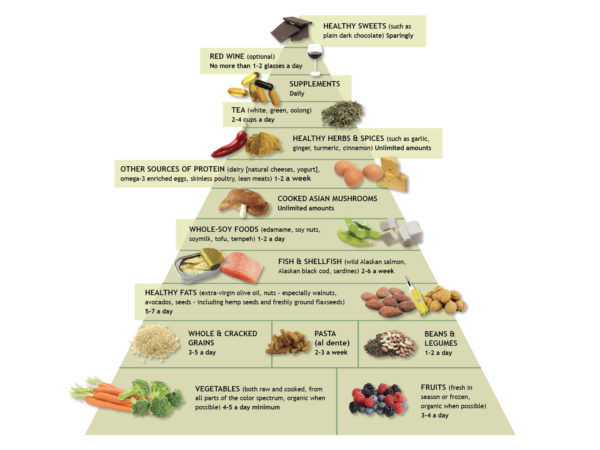
Dr. Weil's Anti-Inflammatory Diet Food Pyramid
Our interactive tool can help improve overall health through diet.

Dr. Weil on Healthy Aging
Your Online Guide to the Anti-Inflammatory Diet. Start eating for your health - begin your free trial now.

Dr. Weil's Optimum Health Plan
Your 8-week plan to wellness.
Begin your journey today!
 

Dr. Weil's Head-to-Toe
Wellness Guide

Your guide to natural health.
Use the Wellness Guide today!

Condition Care Guide
Learn about health conditions from acne to vertigo, and Dr. Weil's view of the best treatment options for each.

Healthy Recipes
Discover a treasure trove of healthy, healing foods and creative, delicious ways to prepare them.

Q&A Library
Over 2,000 questions from you
and their corresponding answers
from Dr. Weil.

Vitamin Library
Supplement your knowledge within Dr. Weil's vitamin compendium. Learn why they are necessary and more.

 
Copyright © 2012 Weil Lifestyle, LLC
Information on this web site is provided for informational purposes only and is not intended as a substitute for the advice provided by your physician or other healthcare professional. You should not use the information on this web site for diagnosing or treating a health problem or disease, or prescribing any medication or other treatment.

Ad Choice
Advertising Notice

This Site and third parties who place advertisements on this Site may collect and use information about your visits to this Site and other websites in order to provide advertisements about goods and services of interest to you. If you would like to obtain more information about these advertising practices and to make choices about online behavioral advertising, please click here