
Dr. Weil Network Outreach Regarding The Recent UC Davis Study
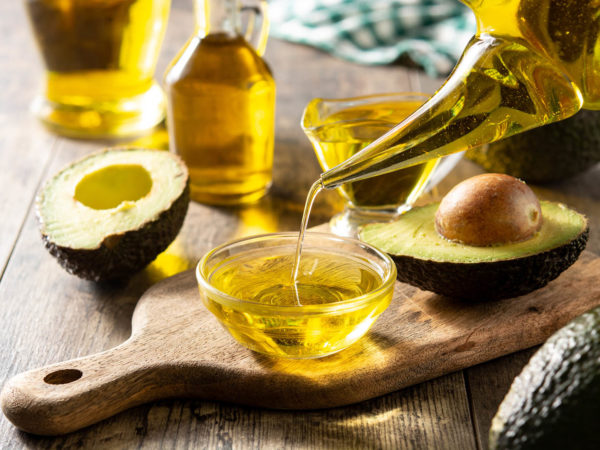
A research study led by Dr. Selina Wang at UC Davis raises concerns that most products labeled “made with avocado oil” do not contain authentic avocado oil.
The university published its 2026 consumer-facing report, “That Avocado Oil Chip You’re Eating May Not Be Made With Pure Avocado Oil,” alongside the peer-reviewed study in Applied Food Research.
The study analyzed 74 chips, mayonnaise and salad dressings labeled as containing avocado oil or olive oil. Researchers extracted cooking oils contained in the foods, then evaluated them using fatty acid and sterol markers, chemical fingerprints used to help verify oil identity.
UC Davis’s laboratory testing found 48 of 54 avocado oil-labeled products tested may be adulterated with cheaper oils. The failures included 93% of chips, 71% of mayonnaises and 100% of salad dressings labeled as containing avocado oil.
The UC Davis paper also recognized the Seed Oil Free Alliance’s third-party verification program for foods and consumer products. The Seed Oil Free Alliance is an independent certifying body for seed oil-free foods, founded in 2023.
The retail product samples tested included two California Olive Ranch oil dressings already certified by the Seed Oil Free Alliance, both of which were confirmed by UC Davis researchers to contain authentic olive oil.
Also included in the study were Marianne’s Avocado Oil and California Olive Ranch Extra Virgin Olive Oil. Researchers used these pure oils as authentic reference oils in the course of their research. Both Marianne’s and California Olive Ranch are Seed Oil Free Certified® bottled oils, available for sale to consumers in retail stores nationwide.
Seed Oil Free Alliance founder Jonathan Rubin stated: “UC Davis’s findings on ‘Made With Avocado Oil’ packaged food products are disappointing, but not surprising. Our testing program shows similar data on avocado oil purity used in consumer packaged goods (CPG) products.”
To date, the Alliance has certified 769 distinct UPCs under its CPG food certification program. Of all UPCs submitted for laboratory verification and containing avocado oil, approximately 28% qualified, meaning that 72% of avocado oil UPCs were tested and did not qualify for certification because testing revealed they did not contain pure avocado oil.
However, adds Rubin, “These statistics are from avocado oil-containing products that formally entered the certification testing process. About half of the time, we confidentially advise prospective CPG brand partners that their avocado oil ingredient is unlikely to pass testing after a preliminary review.”
When reviewed-not-tested avocado oil UPCs are included in the Seed Oil Free Alliance statistics, the failure rate skyrockets from 72% to 86% of UPCs — similar to UC Davis’s finding that about 89% of avocado oil UPCs tested contained inauthentic avocado oil.
To achieve Seed Oil Free Certified® status, all products are subjected to supply chain auditing and laboratory testing as necessary to confirm they’re seed oil-free and use authentic, non-seed oils like pure avocado or olive oil.
The Seed Oil Free Alliance standard also includes ongoing product surveillance of certified goods, including random finished goods testing using oil extraction methods — equivalent to those used in the 2026 UC Davis study — on a “secret shopper” basis, without notifying certified brand partner companies prior to random testing.