
Could Caffeine Contribute To Antibiotic Resistance?
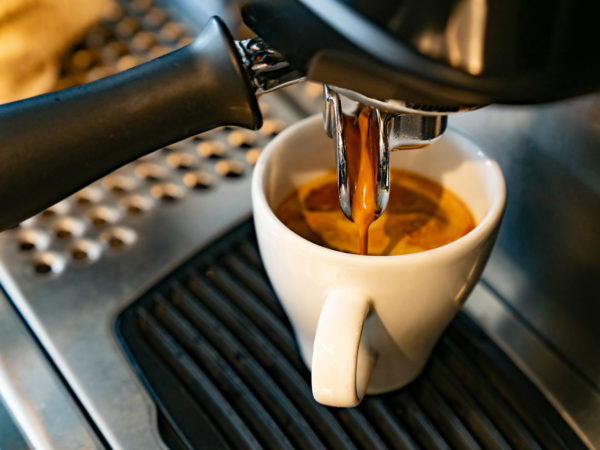
A new study by researchers at the Universities of Tübingen and Würzburg in Germany reveals that everyday dietary substances, including caffeine, can influence bacterial resistance to antibiotics — not through traditional resistance genes, but by altering bacterial gene regulation and transport proteins.
The team tested the effects of 94 substances, including antibiotics, drugs, and food ingredients, on E. coli bacteria. They found that caffeine triggers a regulatory cascade in E. coli, starting with the gene regulator Rob, which alters transport proteins and reduces the bacterium’s uptake of antibiotics like ciprofloxacin. This interaction means caffeine can potentially weaken antibiotic effectiveness. Interestingly, this effect did not occur in Salmonella enterica, showing that similar bacteria may respond differently to the same substance. The study highlights the role of non-antibiotic environmental factors in contributing to “low-level” antibiotic resistance and suggests that diet and drug interactions should be more carefully considered during antibiotic treatments to avoid unintended resistance.
Try this recipe today: Mediterranean Stuffed Grape Leaves
Sign up for more Dr. Weil newsletters!