
• Weil Nutrition Corner
  • Meet Dr. Weil
  • Origins
  • Healthy Aging
  • Marketplace
  • Podcasts
  • Accessibility
  • Subscribe
Dr. Weil Logo Dr. Weil Logo Weil™ Andrew Weil, M.D.
  • Health & Wellness
    Health & Wellness
    Body, Mind & Spirit
    • Addiction
    • Allergy & Asthma
    • Autoimmune Disorders
    • Back Pain
    • Bone & Joint
    • Cancer
    • Colds & Flu
    • Dental & Oral
    • Diabetes
    • Disease & Disorders
    • Ears, Nose, & Throat
    • Feet
    • Gastrointestinal
    • Hair, Skin, & Nails
    • Headache
    • Heart
    • Insects & Parasites
    • Liver & Kidney
    • Mental Health
    • Pregnancy & Fertility
    • Respiratory
    • Sexual Health
    • Sleep Issues
    • Stress & Anxiety
    • Vision
    Balanced Living
    • Exercise & Fitness
    • Gardening
    • Healthy Home
    • Healthy Living
    • Meditation & Inspiration
    • Meet Dr. Weil
    • Pets & Pet Care
    • Technology
    • Wellness Therapies
    Health Centers
    • Aging Gracefully
    • Children
    • Condition Care Guide
    • Men
    • Women
  • Diet & Nutrition
    Diet & Nutrition
    Anti-Inflammatory Diet & Pyramid
    Cooking & Cookware
    Diets & Weight Loss
    Food Safety
    Nutrition
    Recipes
  • Vitamins, Supplements & Herbs
    Vitamins, Supplements & Herbs
    Herbs
    Supplements & Remedies
    Vitamins
  • Ask Dr. Weil
  • Blogs
    Blogs
    Bulletins
    Health Tips
    Spontaneous Happiness
  • Mushrooms
  • Sleep
Press "Enter" to search
Dr. Weil Logo Weil™ Andrew Weil, M.D.
  • Health & Wellness
    Health & Wellness
    Body, Mind & Spirit
    • Addiction
    • Allergy & Asthma
    • Autoimmune Disorders
    • Back Pain
    • Bone & Joint
    • Cancer
    • Colds & Flu
    • Dental & Oral
    • Diabetes
    • Disease & Disorders
    • Ears, Nose, & Throat
    • Feet
    • Gastrointestinal
    • Hair, Skin, & Nails
    • Headache
    • Heart
    • Insects & Parasites
    • Liver & Kidney
    • Mental Health
    • Pregnancy & Fertility
    • Respiratory
    • Sexual Health
    • Sleep Issues
    • Stress & Anxiety
    • Vision
    Balanced Living
    • Exercise & Fitness
    • Gardening
    • Healthy Home
    • Healthy Living
    • Meditation & Inspiration
    • Meet Dr. Weil
    • Pets & Pet Care
    • Technology
    • Wellness Therapies
    Health Centers
    • Aging Gracefully
    • Children
    • Condition Care Guide
    • Men
    • Women
  • Diet & Nutrition
    Diet & Nutrition
    Anti-Inflammatory Diet & Pyramid
    Cooking & Cookware
    Diets & Weight Loss
    Food Safety
    Nutrition
    Recipes
  • Vitamins, Supplements & Herbs
    Vitamins, Supplements & Herbs
    Herbs
    Supplements & Remedies
    Vitamins
  • Ask Dr. Weil
  • Blogs
    Blogs
    Bulletins
    Health Tips
    Spontaneous Happiness
  • Mushrooms
  • Sleep
  • Weil Nutrition Corner
  • Meet Dr. Weil
  • Origins
  • Healthy Aging
  • Marketplace
  • Podcasts
  • Accessibility
  1. Home
  2. Diet & Nutrition
  3. Nutrition

Non-nutritive Sweeteners And The Brain

I have been trying to reduce the amount of sugar I eat and drink, but now I hear that artificial sweeteners may contribute to brain aging? Are there any good alternatives?

Andrew Weil, M.D. | March 9, 2026
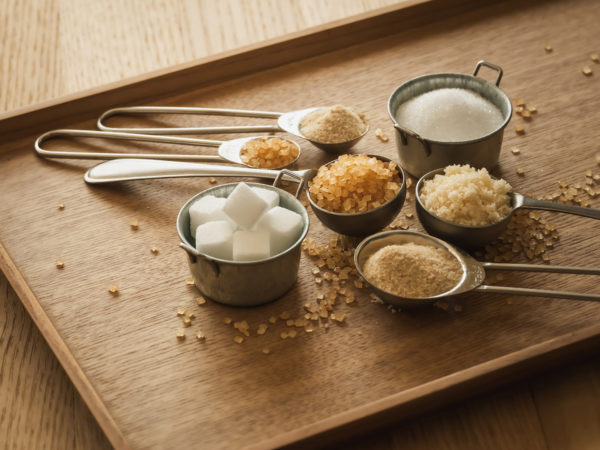
Non-nutritive Sweeteners And The Brain | Andrew Weil, M.D.
2 min

You are wise to limit your sugar consumption, but there are many reasons to avoid the most commonly used sugar substitutes. Those substitutes may be artificial or natural, but they are all non-nutritive, meaning they have no carbohydrates or calories—they have no nutritional value, just sweetness. The artificial ones are especially problematic, as they not only don’t help with weight loss but have also been linked to higher risks of weight gain, obesity, high blood pressure, diabetes, heart disease and other health problems. Now a report links them to a decline in brain health as well.

The study you may have heard about was conducted over an eight-year period and included nearly 13,000 people. For those under age 60, the group that consumed the most aspartame, saccharin, acesulfame k, erythritol, sorbitol, and xylitol showed the greatest cognitive decline over the study period. The manifestations of the decline were different in participants with diabetes compared to those without diabetes, but both sub-groups showed cognitive decline.

Surprisingly, participants age 60 and over did not show the same trend in this study, although I don’t interpret that to mean that non-nutritive sweeteners are okay for older people. And I am generally cautious about studies that rely on self-reported data, such as this one. Still, I find this to be one more data point in a large and growing body of evidence suggesting that non-nutritive sweeteners are best avoided.

Before you go back to using table sugar (sucrose), however, I’ll point out that a 2023 review of 77 different studies that analyzed data on over 17,000 participants also found a correlation between cognitive decline and high consumption of sugar. Sucrose is a compound of fructose and glucose, which the body breaks down into those two components during digestion. Glucose delivers a quick boost to insulin levels; fructose raises insulin more slowly but has been associated with liver dysfunction, metabolic syndrome, increased levels of serum triglycerides, and promotion of obesity.

I strongly advise limiting consumption of fructose, which is especially high in honey and agave syrup. My preferred sweetener is maple syrup; it has a lower fructose content than table sugar. For those with diabetes, the only sugar substitutes I would recommend are tagatose, monk fruit, and stevia.

In general, though, I recommend limiting sweet treats—when I want something sweet, I try to stick to dark chocolate, with at least 70 percent cocoa. (See my video What to Eat When You Crave Sweets for more details.)

Andrew Weil, M.D.

Sources
Gonçalves NG, Martinez-Steele E, Lotufo PA, Bensenor I, Goulart AC, Barreto SM, Giatti L, de Faria CP, Molina MDCB, Caramelli P, Marchioni DM, Suemoto CK. “Association Between Consumption of Low- and No-Calorie Artificial Sweeteners and Cognitive Decline: An 8-Year Prospective Study.” Neurology. 2025 Oct 7;105(7):e214023. doi: 10.1212/WNL.0000000000214023. Epub 2025 Sep 3. Erratum in: Neurology. 2025 Dec 9;105(11):e214393. doi: 10.1212/WNL.0000000000214393. PMID: 40902134. pubmed.ncbi.nlm.nih/40902134/

Gillespie KM, White MJ, Kemps E, Moore H, Dymond A, Bartlett SE. “The Impact of Free and Added Sugars on Cognitive Function: A Systematic Review and Meta-Analysis.” Nutrients. 2023 Dec 25;16(1):75. doi: 10.3390/nu16010075. PMID: 38201905; PMCID: PMC10780393. pubmed.ncbi.nlm.nih/38201905/


Read more tips, recipes, and insights on a wide variety of topics from Dr. Weil here.

mixed herbs such as basil, chives and rosemary in pots in a wooden tray, gardening tool lying on wooden table
Uncategorized

Weil Nutrition Corner

artificial sweetener
Food Safety

How Bad Are Nonnutritive Sweeteners?

The Not-So-Sweet Health Effects Of Sugar | Dr. Weil
Bulletins

The Not-So-Sweet Health Effects Of Sugar

Weil Nutrition Corner

Unlock Nutrition Tips and Delicious Recipes

Anti-Inflammatory Diet

Follow Dr. Weil’s Food Pyramid

Dr. Weil on Healthy Aging

Start Your 14-Day Free Trial

Get Dr Weils Newsletter Updates

Exclusive Lifestyle, Nutrition & Health Advice

Dr. Weil's FREE health living advice delivered to you!

By clicking "Subscribe," you agree to the DrWeil.com Terms and Conditions and Privacy Policy. You also agree to receive emails from DrWeil.com, and you may opt out of DrWeil.com subscriptions at any time.

Trending Now

With long green ice tea and glass teapot on unfocused background
Nutrition

10 Reasons To Drink Green Tea

Olive oil in small glass container with bottle of oil and cubes of butter
Nutrition

A Better Butter?

A Better Kind Of Sugar? | Nutrition | Andrew Weil, M.D.
Nutrition

A Better Kind Of Sugar?

Fried fish fillets with vegetable garnish on white
Nutrition

A Better Pink Fish?

Dr. Weil Logo Weil™ Andrew Weil, M.D.
Dr. Weil's Signature

Exclusive Lifestyle, Nutrition & Health Advice

  • About Us
  • Press Information
  • Advertising
  • Contact Us
  • Terms of Use
  • Privacy Policy
  • Accessibility

Terms of Use | Privacy Policy

Information on this website is provided for informational purposes only and is not intended as a substitute for the advice provided by your physician or other healthcare professional. You should not use the information on this website for diagnosing or treating a health problem or disease, or prescribing any medication or other treatment. Any third party offering or advertising on this website does not constitute an endorsement by Andrew Weil, M.D. or Healthy Lifestyle Brands.

© Copyright 2026 Healthy Lifestyle Brands, LLC. All rights reserved. Reproduction in whole or in part without permission is prohibited. www.drweil.com