
Where's the Grass-Fed Beef?
I think 100% grass-fed cattle are more like their wild cousins than they are like their brothers in the feedlots. What do you think about eating beef from these cattle? What about wild game?
Andrew Weil, M.D. | March 21, 2016
Originally published on September 20th, 2006, updated on March 21st, 2016.
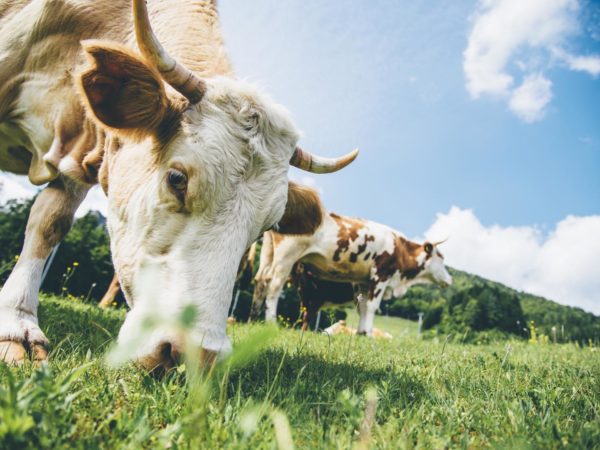
If you eat meat, I think there are compelling reasons to choose beef from grass-fed cattle over that from animals raised on factory farms and fed grain (not to mention hormones and antibiotics). Cattle evolved to graze on grass; they are not adapted to digest grains, which wreak havoc with their digestive systems. Even though a grain-based diet promotes faster weight gain, the need for antibiotics in raising cattle on feedlots results from the alterations in the natural flora of their gastrointestinal tract.
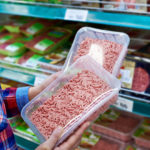
Some grass-fed cattle are given antibiotics, but they typically are not given these drugs, and neither are those cattle that are organically raised. When it tested samples of ground meat from conventionally raised and grass-fed or otherwise sustainably raised cattle earlier this year, Consumer Reports found that 18 percent of samples of conventional beef were contaminated with dangerous antibiotic-resistant bacteria compared with 9 percent of samples from sustainably produced beef.
Another plus: Meat from grass-fed cattle is lower in saturated fat than meat from cattle fed on grain. It also has more omega-3 fatty acids, vitamin E and conjugated linoleic acid – all good for human health. (Incidentally, organic beef isn’t necessarily grass-fed. These cattle may be raised in pesticide-free pastures, but they are taken to feedlots and fed organic grain prior to slaughter.)
For many people, the higher cost of grass-fed beef is a concern. According to Consumer Reports grass-fed beef costs shoppers an extra $2.50 per pound, and grass-fed organic beef is priced about $3.00 higher per pound than conventional beef from the supermarket. This averages out over the course of a year to an additional $260 to $300 if you buy two pounds of ground beef a week.
The reason for the higher cost is the time it takes a producer to get a grass-fed animal to slaughter – up to a year longer than for a conventionally raised one. Consumer Reports also found that grass-fed cattle tend to be smaller at slaughter than conventionally raised animals, so there is less meat for producers to sell per head.
Since I don’t eat meat, I can’t tell you anything from personal experience about the taste of grass-fed compared to that of conventional beef. I understand that most connoisseurs prefer the stronger flavor of grass-fed beef, even though it varies from location to location and season to season. In one taste test, panelists reported that grass-fed beef had off-flavors (like ammonia) or tasted gamey, bitter, liverish, old, rotten and sour. But Argentineans, who make beef consumption somewhat of a national religion, turn up their noses at our grain-fed steaks.
Grass-fed beef may be a bit less tender than the grain-fed variety. Restaurateurs and marketers tend to like the uniformity of feedlot beef.
Concluding its October 2015 comparison of grass-fed v. conventionally raised cattle, Consumer Reports suggested choosing grass-fed organic beef whenever possible. It is safer (you’ll avoid antibiotics), better for the animals and for the environment. I agree.
One final caution: look for beef that is grass-finished as well as grass-fed. Some grass-fed cattle are given a final fattening on grain.
Andrew Weil, M.D.
Source:
“How Safe is Your Ground Beef?” Consumer Reports, http://www.consumerreports.org/cro/food/how-safe-is-your-ground-beef, October 16, 2015