
Dehydration Symptoms: 5 Ways To Reduce
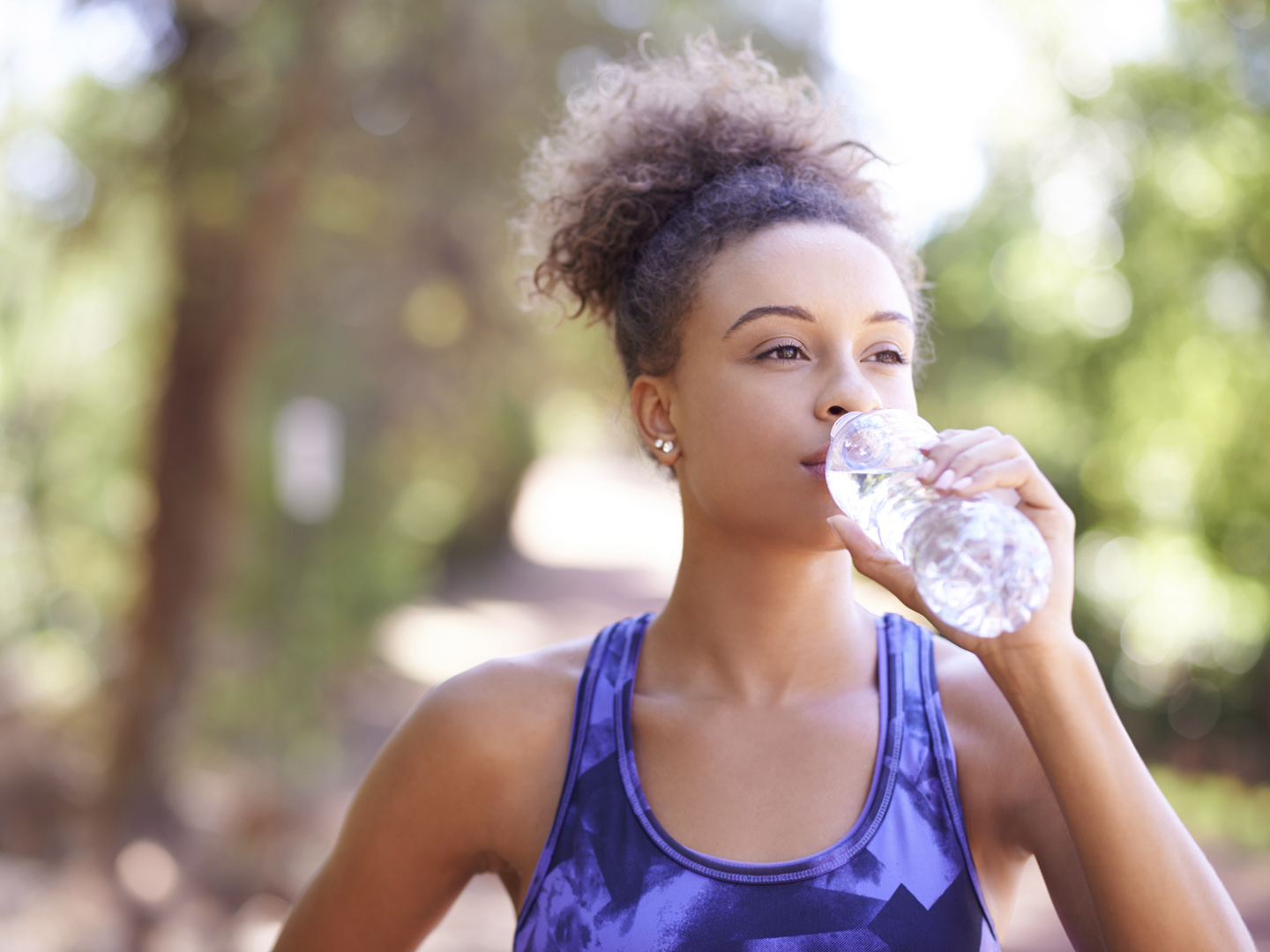
Staying hydrated is important – every organ, cell and tissue in your body depends on water for optimal function. Proper hydration also addresses a bevy of health concerns, from dry mouth and bad breath to gallstones and bowel irregularity. Each day you lose water by simply going to the bathroom, sweating and breathing. Replacing these lost fluids is vital to preventing dehydration.
Some common symptoms of dehydration include:
- Infrequent urination
- Urine that is darker in color than usual
- Extreme thirst
- Dry mouth
- Sleepiness or fatigue
- Headache
- Feeling dizzy or lightheaded
- Confusion
- Leg cramps
You can help prevent dehydration by following these 5 simple steps:
- Keep a bottle of water on hand. Sipping on water throughout the day will help prevent dehydration. Add a slice of lemon or lime for flavor, if you like. Ideally keep your water in containers of stainless steel or glass to limit exposure to plastics, a growing concern with certain chemicals leeching into your beverage. Aim to be hydrated to the point where you are urinating several times a day. On very hot days combined with intense activity, consider replacing some of your electrolyte losses as well. There are many healthier hydration beverages now with coconut water or focused on electrolyte support with powders to add to your water with better sweeteners than the typical artificial ones that are best avoided.
- Make it a point to drink a glass of water upon waking and before bed. If waking to urinate frequently is an issue, reconsider the bedtime glass and move it to early afternoon.
- Eat fruits and vegetables. Focus on regular intake of the naturally water-dense options, particularly in summer months. Priority goes to fresh citrus fruits, watermelon, lettuce and tomatoes.
- Drink water before you exercise, as well as during and after. Making sure you urinate after your workout session is a good sign of proper hydration.
- If you are drinking alcohol, always pair each serving with a glass of water to offset its dehydrating effects.
Also: If you regularly consume caffeine or take a diuretic blood pressure medication, be sure to aim for a bit of extra water to cover the extra loss.
Learn more about electrolytes and what Dr. Weil and Diana Weil think about them in the WEIL Nutrition Corner® Post, Electrolytes: Do You Need Them?
Today’s Health Topics
Editor's Pick
Health Focus
Ask Dr. Weil's Q&A
| Weekly Wellness Bulletin |
| Sign up for our once a week, in-depth health bulletin - sent out on Thursdays. Dr. Weil shares the very latest from the ever-changing world of health and nutrition. Stay on top of the latest news in this doctor-reviewed weekly compilation. |
|