
The New Food Pyramid(USDA)?
I’m a little confused by the newly introduced food pyramid — should I be changing the way I eat?
Andrew Weil, M.D. | January 26, 2026
You are not the only one who finds the new food pyramid confusing. Although I certainly endorse the advice about eating more real, whole foods and fewer processed products, I have some reservations about the general guidelines. Before you make changes in what you eat, let’s take a closer look at the new recommendations.
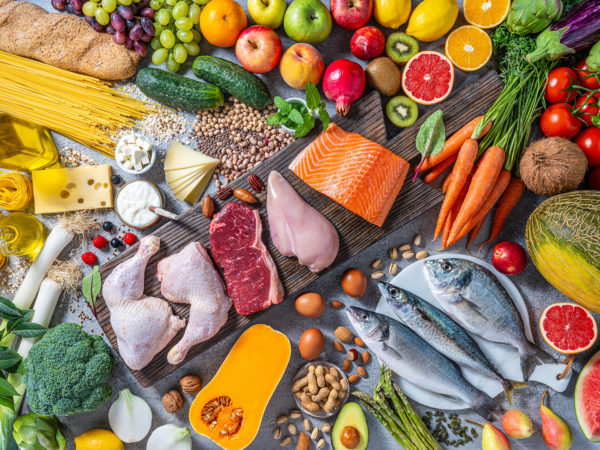
One of the most obvious changes in the USDA’s 2025-2030 edition of Dietary Guidelines for Americans, released in January 2026, is the graphic. The familiar pyramid has been inverted, with a broad top narrowing to a pointed base. The top is filled with meat, cheese, whole milk, and other items labeled “protein, dairy, and healthy fats” on one side, with a section for “vegetables and fruits” on the other. The inverted pyramid descends through butter and nuts, ending in a small section of whole grains at the bottom.
Many people, myself included, were confused to see a thick beef steak and package of ground beef featured so prominently in the graphic. The suggestion that red meat should be one of the main items on anyone’s plate is questionable at best. Red meats (beef, lamb, and pork) are high in the kind of saturated fat associated with heightened risk of cardiovascular disease, cancer, and diabetes.
Although the written recommendations of the new food guidelines specify that saturated fat should not exceed 10 percent of one’s total daily calories, the prominence of red meat in the pyramid graphic suggests otherwise and could certainly confuse the message. (It’s also worth noting that the American Heart Association recommends we get less than 6 percent of daily calories, not 10 percent, from saturated fats.)
Saturated fats are a small but important part of our daily nutritional needs, and I recommend getting them from natural cheeses, yogurt, and small amounts of whole milk. The saturated fat in natural cheeses and yogurt may actually be beneficial. (For more about saturated and unsaturated fats, see my video Fats Are Not the Problem.)
It’s fine to cook with small amounts of butter, but the guidelines’ new suggestion that we cook with beef tallow to add “healthy fats” to our meals is alarming. Beef tallow is 50 percent saturated fat — not the good kind — and I’ve been concerned about recent dietary fads touting its supposed health benefits. These fads prompted the Physicians Committee for Responsible Medicine to issue a 2025 statement about the health risks of beef tallow, citing its association with an increased risk of heart disease. I strongly advise against consuming or cooking with beef tallow.
Overall, the new guidelines put an increased emphasis on protein. Most Americans already get more than enough protein in their daily diets, so the message to get more seems unwarranted. For your daily needs, plant-based sources of protein are healthier than red meat and are far better choices than protein bars and other processed products (see Which Vegetable Protein Is Best?). In my view, many of the new “protein-rich” products on the market now just reflect the latest marketing fad.
I heartily agree with the new guidelines regarding fruits and vegetables and was glad to see recommendations of 3 servings a day of vegetables and 2 daily servings of fruit. I was not happy to see a can of green beans in the graphic, however, since canned vegetables tend to be less nutritious than fresh produce and are often very high in sodium. If fresh produce is not available, frozen vegetables are a better option. Studies show that vegetables frozen at the peak of freshness are just as nutritious (sometimes even more so) than fresh ones. (Read more about fresh vs frozen in this Weil Nutrition Corner column on Substack.)
Finally, I disagree with relegating whole grains to the bottom of the pyramid. Although the guidelines themselves recommend 2 to 4 daily servings of whole grains, you would not take that message away from the graphic.
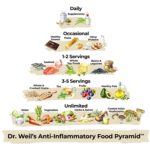
The bottom line is that I stand by my Anti-Inflammatory Food Pyramid — I believe that remains the most sound, complete approach to healthy nutrition.
Andrew Weil, M.D.
Source
US Department of Agriculture, 2025-2030 Dietary Guidelines for Americans