
• Weil Nutrition Corner
  • Meet Dr. Weil
  • Origins
  • Healthy Aging
  • Marketplace
  • Podcasts
  • Accessibility
  • Subscribe
Dr. Weil Logo Dr. Weil Logo Weil™ Andrew Weil, M.D.
  • Health & Wellness
    Health & Wellness
    Body, Mind & Spirit
    • Addiction
    • Allergy & Asthma
    • Autoimmune Disorders
    • Back Pain
    • Bone & Joint
    • Cancer
    • Colds & Flu
    • Dental & Oral
    • Diabetes
    • Disease & Disorders
    • Ears, Nose, & Throat
    • Feet
    • Gastrointestinal
    • Hair, Skin, & Nails
    • Headache
    • Heart
    • Insects & Parasites
    • Liver & Kidney
    • Mental Health
    • Pregnancy & Fertility
    • Respiratory
    • Sexual Health
    • Sleep Issues
    • Stress & Anxiety
    • Vision
    Balanced Living
    • Exercise & Fitness
    • Gardening
    • Healthy Home
    • Healthy Living
    • Meditation & Inspiration
    • Meet Dr. Weil
    • Pets & Pet Care
    • Technology
    • Wellness Therapies
    Health Centers
    • Aging Gracefully
    • Children
    • Condition Care Guide
    • Men
    • Women
  • Diet & Nutrition
    Diet & Nutrition
    Anti-Inflammatory Diet & Pyramid
    Cooking & Cookware
    Diets & Weight Loss
    Food Safety
    Nutrition
    Recipes
  • Vitamins, Supplements & Herbs
    Vitamins, Supplements & Herbs
    Herbs
    Supplements & Remedies
    Vitamins
  • Ask Dr. Weil
  • Blogs
    Blogs
    Bulletins
    Health Tips
    Spontaneous Happiness
  • Mushrooms
  • Sleep
Press "Enter" to search
Dr. Weil Logo Weil™ Andrew Weil, M.D.
  • Health & Wellness
    Health & Wellness
    Body, Mind & Spirit
    • Addiction
    • Allergy & Asthma
    • Autoimmune Disorders
    • Back Pain
    • Bone & Joint
    • Cancer
    • Colds & Flu
    • Dental & Oral
    • Diabetes
    • Disease & Disorders
    • Ears, Nose, & Throat
    • Feet
    • Gastrointestinal
    • Hair, Skin, & Nails
    • Headache
    • Heart
    • Insects & Parasites
    • Liver & Kidney
    • Mental Health
    • Pregnancy & Fertility
    • Respiratory
    • Sexual Health
    • Sleep Issues
    • Stress & Anxiety
    • Vision
    Balanced Living
    • Exercise & Fitness
    • Gardening
    • Healthy Home
    • Healthy Living
    • Meditation & Inspiration
    • Meet Dr. Weil
    • Pets & Pet Care
    • Technology
    • Wellness Therapies
    Health Centers
    • Aging Gracefully
    • Children
    • Condition Care Guide
    • Men
    • Women
  • Diet & Nutrition
    Diet & Nutrition
    Anti-Inflammatory Diet & Pyramid
    Cooking & Cookware
    Diets & Weight Loss
    Food Safety
    Nutrition
    Recipes
  • Vitamins, Supplements & Herbs
    Vitamins, Supplements & Herbs
    Herbs
    Supplements & Remedies
    Vitamins
  • Ask Dr. Weil
  • Blogs
    Blogs
    Bulletins
    Health Tips
    Spontaneous Happiness
  • Mushrooms
  • Sleep
  • Weil Nutrition Corner
  • Meet Dr. Weil
  • Origins
  • Healthy Aging
  • Marketplace
  • Podcasts
  • Accessibility
  1. Home
  2. Diet & Nutrition
  3. Nutrition

Matcha Tea

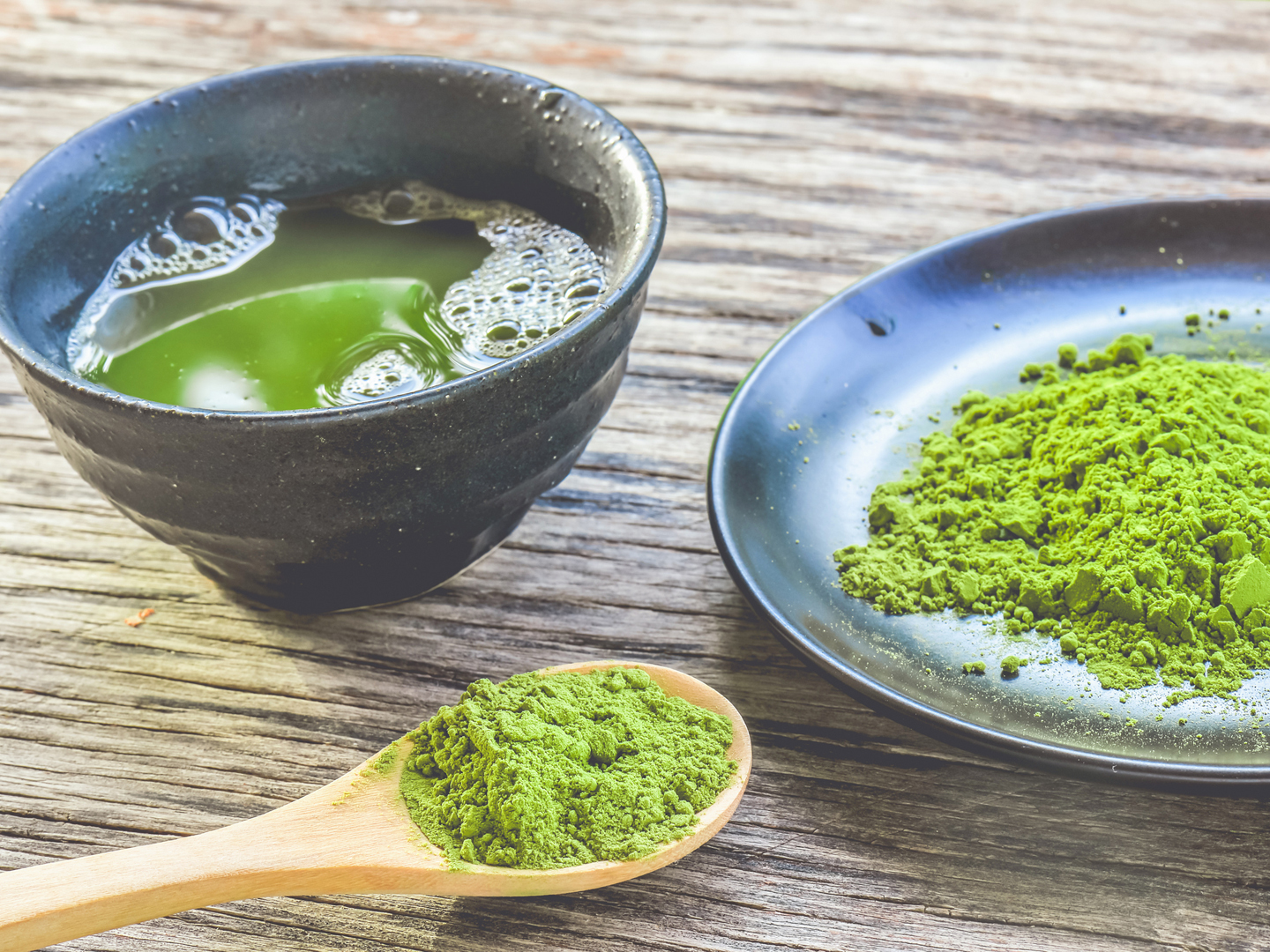
Organic Green Matcha Tea in a Bowl
3 min

Dr. Weil’s Guide To Matcha

Matcha tea isn’t just another form of green tea but a centuries-old tradition, a mindful ritual, and a superfood powerhouse all in one. Long recommended by Dr. Andrew Weil, matcha has become a popular choice for those seeking energy, calm focus, and overall wellness. Whether you’re curious about what makes matcha unique, how to prepare it properly, or where to buy the best ceremonial-grade tea, this guide will help answer your questions.

What is matcha and what is it made of?

Matcha, which literally means “powdered tea,” is a vibrant green powder made from specially grown and stone-ground green tea leaves. Unlike other beverages made from tea, where the leaves are steeped and discarded, with matcha you consume the entire leaf. This means you take in all of its nutrients, antioxidants, and natural compounds. Traditionally, matcha is prepared by whisking the powder with hot water until it forms a frothy, jade-green liquid. Beyond its health benefits, the ritual of preparing matcha can be meditative, connecting you with a centuries-old Japanese tea ceremony tradition.

What’s the difference between matcha tea and regular green tea?

Tea grown for matcha is heavily shaded for several weeks before harvest. This increases its content of chlorophyll, flavor compounds, and beneficial antioxidants. The biggest difference between matcha and regular green tea, however, lies in how you consume them. With regular green tea, the leaves are steeped and then removed, so you only drink the infusion. With matcha, the leaves are ground into a fine powder that you whisk into water, meaning you ingest the whole leaf. Premium matcha is stone-ground, shade-grown in Japan, and delivers a taste and texture that are uniquely different than an infusion of green tea leaves.

Is matcha healthy and good for you?

Yes, matcha is good for you and is considered one of the healthiest forms of green tea. It’s packed with catechin polyphenols, powerful antioxidants that help protect cells, support heart health, and may reduce cancer risk. Matcha also contains vitamins A, C, E, K, and B-complex, plus trace minerals, including selenium, zinc, and magnesium. Another unique compound, L-theanine, promotes calm alertness, balancing the natural caffeine for sustained energy without jitters. Many people drink matcha daily as part of their wellness routine, appreciating both its health benefits and its grounding ritual.

How do you prepare matcha the right way?

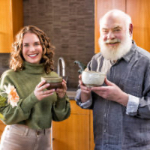
Making matcha is simple, but preparing it the traditional way enhances both the taste and the experience. Start by sifting one-half to one teaspoon of matcha powder into a bowl to remove clumps. Add a small amount (1/4-1/2 cup) of hot water (not boiling—around 180°F / 82°C). Using a bamboo whisk (chasen), whisk vigorously in a zig-zag motion until the tea becomes frothy and smooth. For a creamier option, add steamed milk (dairy or vegan) to make a matcha latte. Preparing matcha this way creates a mindful moment in your day while ensuring the perfect cup. For a video experience on how to prepare matcha, view this explanatory video featuring Dr. Jim Nicolai.

Is there fake matcha, and how can you tell the difference?

Yes there is fake matcha. In fact, it is now increasingly common. In Japan, low-quality powdered green tea masquerading as matcha is called mogo. Fake matcha often comes from inferior leaves, sometimes grown outside Japan, and is typically dull in color, bitter in taste, and lacking the smooth texture of true ceremonial-grade matcha. Authentic matcha, by contrast, is bright green, naturally sweet, and creamy. To avoid counterfeit products, always look for ceremonial-grade, shade-grown matcha sourced from Japan and sold by reputable retailers. Dr. Weil goes into further detail on his page about food safety and fake matcha here.

Where can I buy authentic matcha?

Dr. Weil’s recommended matcha is available from trusted retailers online such as matcha.com.  By choosing authentic matcha, you’ll experience the full flavor, quality, and health benefits that come from centuries of Japanese tea tradition.

Weil Nutrition Corner

Unlock Nutrition Tips and Delicious Recipes

Anti-Inflammatory Diet

Follow Dr. Weil’s Food Pyramid

Dr. Weil on Healthy Aging

Start Your 14-Day Free Trial

Get Dr Weils Newsletter Updates

Exclusive Lifestyle, Nutrition & Health Advice

Dr. Weil's FREE health living advice delivered to you!

By clicking "Subscribe," you agree to the DrWeil.com Terms and Conditions and Privacy Policy. You also agree to receive emails from DrWeil.com, and you may opt out of DrWeil.com subscriptions at any time.

Trending Now

With long green ice tea and glass teapot on unfocused background
Nutrition

10 Reasons To Drink Green Tea

Olive oil in small glass container with bottle of oil and cubes of butter
Nutrition

A Better Butter?

A Better Kind Of Sugar? | Nutrition | Andrew Weil, M.D.
Nutrition

A Better Kind Of Sugar?

Fried fish fillets with vegetable garnish on white
Nutrition

A Better Pink Fish?

Dr. Weil Logo Weil™ Andrew Weil, M.D.
Dr. Weil's Signature

Exclusive Lifestyle, Nutrition & Health Advice

  • About Us
  • Press Information
  • Advertising
  • Contact Us
  • Terms of Use
  • Privacy Policy
  • Accessibility

Terms of Use | Privacy Policy

Information on this website is provided for informational purposes only and is not intended as a substitute for the advice provided by your physician or other healthcare professional. You should not use the information on this website for diagnosing or treating a health problem or disease, or prescribing any medication or other treatment. Any third party offering or advertising on this website does not constitute an endorsement by Andrew Weil, M.D. or Healthy Lifestyle Brands.

© Copyright 2026 Healthy Lifestyle Brands, LLC. All rights reserved. Reproduction in whole or in part without permission is prohibited. www.drweil.com