

5 Ways To Achieve A Restful Summer Vacation
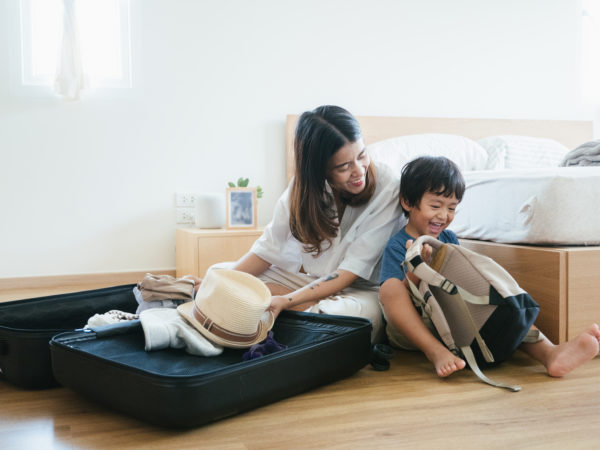
A vacation isn’t just about seeing new sights; it’s about enjoying time away from everyday life and catching up on well-deserved rest. However, studies have shown that many people actually lose sleep when traveling. Between travel fatigue, jet lag, over-planning, and adapting to a new sleep environment, vacations can end up disrupting your natural sleep cycle more than helping, leaving you feeling exhausted rather than recharged.
Looking to make this year’s vacation different? Follow these five tips to achieve the restful vacation you desire.
- Combat Travel Fatigue and Jet Lag
Travel fatigue can happen during any type of trip, no matter the distance from your home. The stresses of packing and preparing, driving or flying, motion sickness, altered schedules, and many other factors can all be responsible. Jet lag—the result of traveling across multiple time zones—can throw off your circadian rhythm, making it more difficult to adapt to a particular sleep schedule.
Whether you’re traveling close or abroad, allowing yourself time to adjust, recenter yourself, and rest up before tackling your sightseeing list is a must for a restful vacation. Learn more about how to make the most of your sleep while on vacation on our blog post, “Sleeping While Traveling.”
- Make Sleep Part of Your Itinerary
When traveling, especially to an exciting destination, it can be easy to stay up late and get up early to maximize vacation time. Instead, try reframing your mindset to think of sleep as an activity in your vacation that will assist in helping you enjoy all the other activities even more.
Aim for a consistent bedtime so your body can adapt, both on vacation and when you return home. Give yourself permission to sleep in. That can help make your vacation more restful and less stressful.
- Optimize Your Sleep Environment
Sleeping in a new environment is often a challenge. It is believed that increased wakefulness is an evolutionary tactic that helped to keep us more alert in new environments. While it may have served its purpose in the past, today, it creates the “first-night effect,” causing us to lose sleep during our first night in a new place.
So, how do we combat this? Creating a relaxing sleep environment that’s cool, dark, quiet, and comfortable can help you fall asleep and stay asleep more easily. Additionally, packing some familiar bedding that fits your sleep needs is a great way to ensure you’re comfortable throughout the night. Packing your own supportive pillow, breathable sheets, and an effective mattress protector can improve your sleep space without having to worry about who has slept on a strange bed before you.
- Take it Slow to Recharge Your Mind & Body
While sightseeing and tourist attractions can be fun ways to spend your day, make sure you’re also scheduling some downtime during your trip. A slower pace can allow you to enjoy the time you have being with your travel companions or taking in your new surroundings. Simply watching the sunset, reading a book, or practicing mindfulness can recharge your mind and body, providing a balance to the everyday hustle you’re trying to escape.
- Bring the Rest Home
Don’t leave the restful habits back at the hotel—bring them home with you and incorporate them into your everyday life. Continue prioritizing your sleep. Add in a dedicated time each day for your own relaxation. Create a comfortable sleep space that you enjoy returning to each night. Small changes to your everyday lifestyle can keep you well-rested and recharged all year long, whether you are on vacation or not.
Sources
“Insights about Travel-Related Sleep Disruption from 1.5 million Nights of Data.” Oxford Academic. academic.oup.com/sleep/article/48/7/zsaf077/8092480
“Night Watch in One Brain Hemisphere during Sleep Associated with the First-Night Effect in Humans.” National Library of Medicine. pubmed.ncbi.nlm.nih/27112296/
Today’s Health Topics