

Q & A Library


Print this page | Send to a friend | Sign up for free e-bulletins
 | Bookmark This Page

FREE E-Bulletins
Free HealthTips & Advice
Email


Bookmark and Share

Q
Ending Endometriosis?

You have not written much about endometriosis. Is there nothing a person can do nutritionally for this problem?

A
Answer (Published 6/25/2007)

Endometriosis is an often painful condition that develops when tissue that looks and acts like the endometrium (the lining of the uterus) migrates outside the uterus. This tissue implants itself on the fallopian tubes, ovaries, the ligaments supporting the uterus, in the area between the vagina and rectum, on the outer surface of the uterus, or on the lining of the pelvic cavity. Although displaced, the tissue continues to act as if it were still in the uterus: every month, in response to hormonal signals, it thickens, breaks down and bleeds. With no route out of the body, the trapped blood can cause inflammation, pain, scar tissue formation, adhesions, and bowel problems.

Related Weil Products
Dr. Weil's Vitamin Advisor for Women's Health - Women's health issues such as menopause, PMS and menstruation can often be effectively addressed through lifestyle, diet, and prudent supplementation. Learn more - get your free, personalized Dr. Weil's Vitamin Advisor Recommendation today.

The most common symptoms of endometriosis are severe menstrual cramps and pelvic pain at other times – during ovulation, intercourse, bowel movements, or urination. More seriously, between one-third and one-half of affected women have problems with infertility.

Nobody knows the cause. One theory holds that endometriosis results from a backflow of menstrual tissue through the fallopian tubes into the pelvic area. Since the disorder seems to run in families, it may have a genetic basis. Another possibility: the errant tissue may have developed in the wrong place as far back as embryonic life.

advertisement

Conventional medicine treats endometriosis with pain medications and with hormonal drugs including birth control pills to block ovulation and put the menstrual cycle on hold. One of these drugs is Danazol, a weak synthetic male hormone that suppresses growth of the endometrium. It can help but can also cause side effects such as acne and facial hair growth. Another, Synarel, also blocks the menstrual cycle but can cause hot flashes and vaginal dryness. None of these drugs cures endometriosis – they just give women a break from the pain.

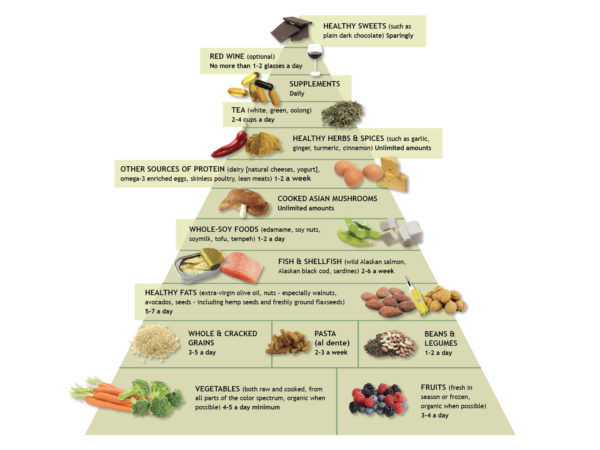
You can try to manage endometriosis nutritionally with an anti-inflammatory diet. My colleague, Victoria Maizes, M.D., executive director of the Arizona Center for Integrative Medicine at the University of Arizona, suggests eliminating dairy foods entirely for three weeks. Read labels carefully and avoid all foods containing whey, casein, and cow's milk or milk protein, because of the estrogenic hormones they contain, (naturally occurring as well as artificial). Other suggestions:

  • Eat only hormone-free meat to avoid any additional estrogen exposure.
  • Avoid soy foods if you have not been eating them regularly; they are weakly estrogenic.
  • Avoid alcohol (it affects how estrogen is metabolized in the body).
  • Choose organic foods whenever possible.
  • Try traditional Chinese medicine.
  • Take omega 3 fatty acid supplements (start with one gram a day and increase the dose gradually - by one gram a week - to three to four grams daily).
  • Try dong quai herb (Angelica sinensis) (3 to 4 grams daily) for its anti-inflammatory and anti-spasmodic effects. (Don't use dong quai if you have very heavy periods since it can make matters worse.)
  • Try whole licorice extracts, which can be helpful for inflammatory disorders; you can also experiment with peony (Paeonia officinalis), which can help relieve menstrual cramps.
  • Imagery or hypnosis can also be of great value.
  • Drink a cup or two of red raspberry leaf tea daily to relieve cramps.
  • Take 500 mg of supplemental calcium and 250 mg of magnesium daily.
  • Try chaste tree herb (Vitex), a general tonic for the female reproductive system. Use 240 mg a day of an encapsulated extract standardized to 0.6 percent aucubine. (Don't use chaste tree if you're on birth control pills or taking other hormonal drugs).

Andrew Weil, M.D.

Do you have painful periods? Click here to debate treatment strategies in our discussion
Creative Commons License Some Rights Reserved Creative Commons Copyright Notice
A portion of the original material created by Weil Lifestyle, LLC on DrWeil.com (specifically, all question and answer-type articles in the Dr. Weil Q&A Library) is licensed under a Creative Commons Attribution-Noncommercial-No Derivative Works 3.0 United States License.
advertisement
 
Copyright © 2010 Weil Lifestyle, LLC
Information on this web site is provided for informational purposes only and is not intended as a substitute for the advice provided by your physician or other healthcare professional. You should not use the information on this web site for diagnosing or treating a health problem or disease, or prescribing any medication or other treatment.