


Q & A Library


Print this page | Send to a friend | Sign up for free e-bulletins
 | Bookmark This Page

FREE E-Bulletins
Free HealthTips & Advice
Email


Digg!

Q
Triglycerides Too High?
In my mid-thirties, I found out that my triglycerides were extremely high. I began to exercise and to take fish oil and lowered them to normal.  What causes such high numbers when I never had high triglycerides previously?  Should I be doing anything else to control them?
A
Answer (Published 5/30/2007)

Triglycerides are the form in which fat moves through the bloodstream to your body's tissues. Whenever your LDL ("bad") cholesterol is measured, triglycerides are checked, too. Levels lower than 150 milligrams per deciliter (mg/dL) are considered normal and levels above 200 mg/dL are considered too high. However, those parameters may be changing in light of recent research on cardiovascular health. Desired normal levels may be as low as 100 mg/dl.

Related Weil Products
Dr. Weil's Vitamin Advisor for Heart Health - A healthful diet and lifestyle, along with prudent supplementation, can help prevent or lessen the risk of heart disease and related illnesses such as hypertension, high blood pressure and cholesterol. Learn more, and get your free, personalized Dr. Weil's Vitamin Advisor Recommendation today.

High triglyceride levels can be genetic, and may be related to obesity or untreated diabetes, but dietary influences are strong. Carbohydrates in the diet are the main factor affecting their levels in the blood, especially quick-digesting (high glycemic load) carbs. In many people, these foods elevate insulin levels, and insulin affects triglyceride synthesis and the storage of fat. High triglyceride levels usually accompany low HDL (good) cholesterol and often travel with tendencies toward high blood pressure and central (abdominal) obesity. These are the markers of metabolic syndrome and insulin resistance, very common disorders that increase risks of heart and adult-onset diabetes.

advertisement

I recommend several lifestyle changes to help keep your serum triglyceride levels down in the desirable range. You will want to get regular exercise; lose weight if you're overweight; reduce the amount of saturated fats and trans fat in your diet; and cut back on alcohol, avoiding beer especially. (Even small amounts of alcohol can elevate triglyceride levels.) Also increase your intake of omega-3 fatty acids by eating salmon, sardines, black cod, and herring on a regular basis. Or take a good fish oil supplement, as you are doing, 1-2 grams a day.

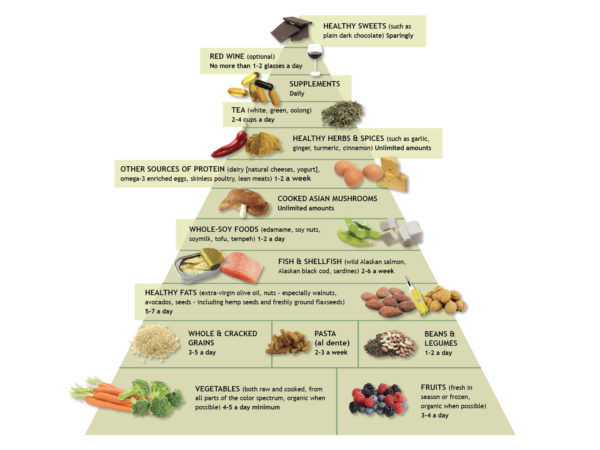
The conventional medical recommendation for a low-fat, high carbohydrate diet to lower triglycerides and bring down cholesterol is dead wrong in my opinion. Instead you want to be on a low carbohydrate diet, such as my anti-inflammatory diet. Familiarize yourself with the concept of glycemic load (http://www.mendosa.com/gilists.htm) and choose carbohydrate foods that rank low on that scale.

Andrew Weil, M.D.

Have you had triglyceride problems? Click here to share your solution in our discussion groups.
advertisement
 
Copyright © 2008 Weil Lifestyle, LLC
Information on this web site is provided for informational purposes only and is not intended as a substitute for the advice provided by your physician or other healthcare professional. You should not use the information on this web site for diagnosing or treating a health problem or disease, or prescribing any medication or other treatment.