
Q & A Library


Print this page | Send to a friend | Sign up for free e-bulletins
 | Bookmark This Page

FREE E-Bulletins
Free HealthTips & Advice
Email


Digg!

Q
Preventing Breast Cancer?
What can I do to reduce my risk of breast cancer? I'm 35 and haven't had any children yet.
A
Answer (Published 5/3/2007)

Unfortunately, there's not much you can do about the biggest risks: being a woman and getting older. Having close relatives who have had breast cancer also increases the risk, but not as dramatically as you might think, particularly if the cancer occurred after the age of 50. Only five to 10 percent of women are at very high risk of hereditary breast cancer.

Related Weil Products
Dr. Weil on Healthy Aging for Cancer Support - Do you or a loved one have cancer? The Dr. Weil on Healthy Aging online guide has simple, effective preventive health information and a supportive community to help promote a positive outlook. Join today and get 14 days free!

Your risk is slightly lower than normal if you've had babies before the age of 30. And the less exposure you have to estrogen, the hormone that stimulates the growth and division of breast cancer cells, the lower your risk. The later you begin to menstruate and the earlier you reach menopause, the less you're exposed to estrogen.

advertisement

You can't alter your family history or the length of your reproductive life, but the lifestyle changes listed below can lower your risks by reducing your estrogen exposure:

  • Maintain a healthy weight. The ovaries produce most of your estrogen but some is metabolized by fat, so the leaner you are, the lower the risk. A study published in the July 1, 2006 issue of CANCER showed that the more weight a woman gains as an adult, the higher her breast cancer risk.
  • Breastfeed your babies. A study published in the July 20, 2002 issue of The Lancet showed that the more babies a woman has and the longer she nurses them, the lower her breast cancer risk.
  • Exercise regularly. As little as 1.25 to 2.5 hours per week of brisk walking reduced breast cancer risk by 18 percent in the Women's Health Initiative study reported in 2003. Walking 10 hours a week lowered the risk a bit more.
  • Avoid alcohol. As little as a drink or two a week can increase estrogen production and by extension breast cancer risk. A study reported in the December 2001 issue of Cancer: Causes & Control showed that an average of less than one drink daily increased a postmenopausal woman's risk of dying of breast cancer by up to 30 percent when compared to women who don't drink; women who drank more alcohol increased their risk by 40 percent.
  • Avoid long-term estrogen replacement therapy (ERT). The latest study on this controversial subject showed that taking ERT for 15 years or longer significantly raises breast cancer risk. Results were published in the May 8, 2006 Archives of Internal Medicine.
  • Eat less meat. Women who eat the most meat have higher risk than those who eat least or none.
  • Avoid conventionally produced beef and dairy products. They can contain residues of estrogenic hormones used as growth promoters in cattle.
  • If you eat meat, cook it less rather than more. A preference for well-done meat correlates with increased risk, because carcinogenic compounds form as animal tissue is cooked.
  • Read up on xenoestrogens. Estrogenic compounds found as pollutants in the environment, and try to minimize exposure to them.
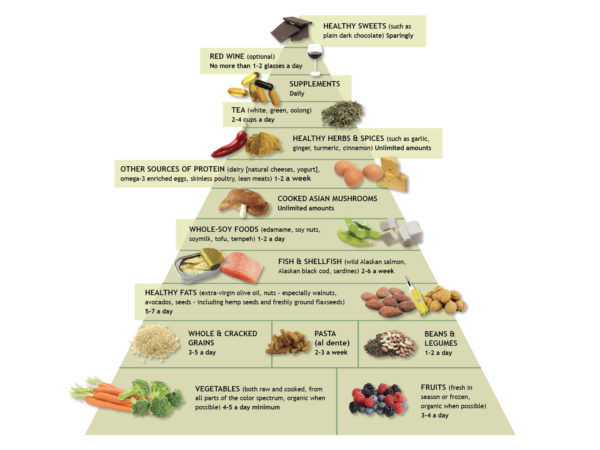
  • If you have female children, start them on whole soy foods early. Regular, moderate consumption of whole soy foods early in life influences development of breast tissue in ways that reduce risk.
  • Take 2 grams of fish oil a day. High omega-3 fatty acid intake significantly reduces your risk of breast cancer.
  • Eat cruciferous (cabbage-family) vegetables regularly. They provide protective phytonutrients.

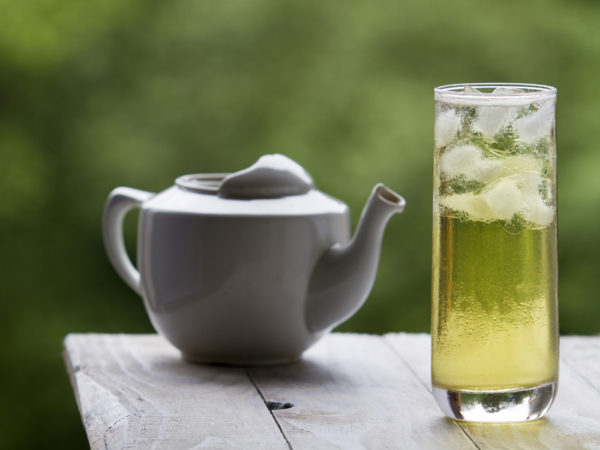
Because the spice turmeric appears to have significant anti-inflammatory and cancer-protective effects, I also recommend eating more foods flavored with turmeric or drinking cold, unsweetened turmeric tea or taking a turmeric supplement such as New Chapter's Tumericforce. Ginger also has anti-inflammatory effects, which may help reduce your risks. It can be included in your diet as crystallized ginger, ginger supplements or even the pickled ginger that comes with sushi.

Andrew Weil, M.D.

What are you doing to lower your cancer risk? Click here to compare notes in our discussion groups.
advertisement
 
Copyright © 2008 Weil Lifestyle, LLC
Information on this web site is provided for informational purposes only and is not intended as a substitute for the advice provided by your physician or other healthcare professional. You should not use the information on this web site for diagnosing or treating a health problem or disease, or prescribing any medication or other treatment.