

Q & A Library


Print this page | Send to a friend | Sign up for free e-bulletins
 | Bookmark This Page

FREE E-Bulletins
Free HealthTips & Advice
Email


Bookmark and Share

Q
Help for Pancreas Problem?
I have chronic idiopathic pancreatitis. I am looking for a vitamin and herb treatment that will help.
A
Answer (Published 8/23/2005)

Chronic idiopathic pancreatitis is an inflammation of the pancreas for which no cause can be identified. (Many cases of chronic pancreatitis are associated with excessive consumption of alcohol.) Unlike acute pancreatitis, an inflammation that can cause some temporary damage, chronic pancreatitis is an ongoing, long-term inflammation that can cause permanent scarring and thickening of pancreatic ducts and, ultimately, destruction of the organ. It presents most often with abdominal pain occurring either in discrete episodes lasting hours to days or persisting for months or even years at a time. Diarrhea may also occur, especially with greasy stools (steatorrhea). Because the pain is frequently brought on by eating, appetite may decrease with accompanying weight loss. Diabetes may be a late complication as pancreatic function declines.

Related Weil Products
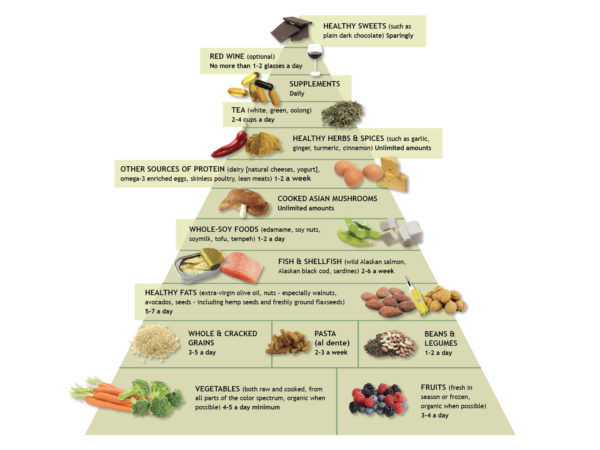
Dr. Weil on Healthy Aging - Your Anti-Inflammatory Diet Source - Want to promote overall health and help minimize the risk of inflammatory diseases? Join Dr. Weil on Healthy Aging, your online guide to the anti-inflammatory diet. Start your 14-day free trial now for access to shopping eating guides, hundreds of recipes, an exclusive version of Dr. Weil's Anti-Inflammatory Food Pyramid and more!

Chronic pancreatitis is usually diagnosed by an ultrasound exam, a CT scan, or X-rays of the common bile duct and pancreatic ducts. If you have been diagnosed with this disorder, you should be in the care of a physician who specializes in pancreatic problems. To find one visit: www.pancreasfoundation.org

Conventional treatment of chronic pancreatitis focuses on pain relief plus nutritional support. This may include taking pancreatic enzyme supplements to aid digestion. A low-fat diet usually is recommended, and you may find that eating several small meals is preferable to three larger ones. Keeping well hydrated is also important since, with this condition, dehydration can lead to pain. It's a good idea to carry bottled water with you and to drink frequently throughout the day. Once you're thirsty, you may already be dehydrated.

advertisement

When pain flares up, you may be better off avoiding food or sticking to clear liquids such as broth, apple, cranberry or grape juice, or gelatin. In general, it is a good idea to stick to foods that are low in protein, avoid anything that is highly spiced and to avoid any food that triggers pain.

I would recommend using anti-inflammatory herbs, especially turmeric and ginger based products. Follow dosage recommendations on the labels or inserts. You might also try traditional Chinese medicine. And I would experiment with mind-body techniques such as hypnosis or guided imagery. These methods should help contain the problem.

Andrew Weil, M.D.

Creative Commons License Some Rights Reserved Creative Commons Copyright Notice
A portion of the original material created by Weil Lifestyle, LLC on DrWeil.com (specifically, all question and answer-type articles in the Dr. Weil Q&A Library) is licensed under a Creative Commons Attribution-Noncommercial-No Derivative Works 3.0 United States License.
advertisement
 
Copyright © 2010 Weil Lifestyle, LLC
Information on this web site is provided for informational purposes only and is not intended as a substitute for the advice provided by your physician or other healthcare professional. You should not use the information on this web site for diagnosing or treating a health problem or disease, or prescribing any medication or other treatment.