

Q & A Library


Print this page | Send to a friend | Sign up for free e-bulletins
 | Bookmark This Page

FREE E-Bulletins
Free HealthTips & Advice
Email


Digg!

Q
Choosing Foods by Color?
I've heard that we should have a mix of foods of various colors on our plates. Why?
A
Answer (Published 6/10/2005)

The vibrant colors of fruits and vegetables may be nature's way of attracting us to them so we'll get the benefit of the powerful nutrients they provide. Your diet will benefit if you use color as your guide to how many daily servings you get of fruits and vegetables. The more different natural colors you have on your plate or in your daily diet, the better off you are. Here's a rundown on food colors and how they benefit your health: 

Related Weil Products
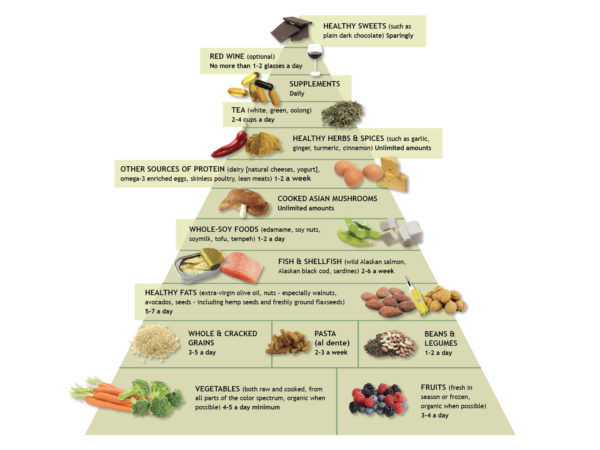
Dr. Weil on Healthy Aging for Healthy Eating - Dr. Weil on Healthy Aging for Nutrition - Want to change your diet? The Dr. Weil on Healthy Aging online guide is your anti-inflammatory diet headquarters. Start your free trial and get access to an exclusive version of Dr. Weil's Anti-Inflammatory Food Pyramid, hundreds of recipes, eating guides, and more.
  • Green: A great source of vitamins (including folate, one of the B vitamins) green vegetables also provide minerals and fiber. Some - including spinach, collards, kale and broccoli - contain antioxidants such as lutein and zeaxanthin, carotenoids that can protect aging eyes from developing cataracts and macular degeneration. They may also protect against clogging of the carotid arteries in the neck. Cruciferous vegetables such as cabbage, Brussels sprouts, cauliflower, kale and turnips contain antioxidants and other phytonutrients that reduce cancer risk.
  • Oranges/Yellows: Sweet potatoes, carrots, mangoes, apricots and other yellow or orange fruits and vegetables are rich in beta carotene, an antioxidant that boosts the immune system. Orange fruits and vegetables also give you vitamin C and folate, needed to reduce the risk of heart disease and prevent certain birth defects. Yellow fruits and vegetables give you more carotenoids plus vitamin C, and minerals.
  • Reds: Tomatoes, watermelon, papaya, and pink grapefruit are among the red pigmented fruits and vegetables that contain lycopene. This powerful antioxidant helps fight heart disease and some types of cancer, particularly prostate cancer.
  • Blues/Purples: The blue color in blueberries, purple grapes, red cabbage, beets, and plums come from anthocyanins, phytochemicals that protects against carcinogens and may help prevent heart disease.
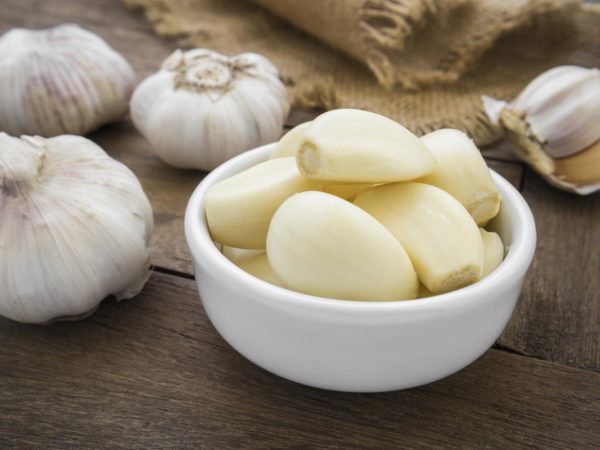
  • Whites: Garlic, onions and other white-hued vegetables contain allicin, a phytochemical which may help lower cholesterol and blood pressure; other phytochemicals, polyphenols, found in pears and green grapes, may reduce the risk of some types of cancer.  

Try to include a spectrum of color in your daily diet. It's an easy way to make sure you're getting all the fruits and vegetables needed for good health. To learn more about this subject I recommend reading What Color Is Your Diet? by David Heber, M.D., Ph.D., available in paperback from HarperCollins.

advertisement

Andrew Weil, M.D.

advertisement
 
Copyright © 2008 Weil Lifestyle, LLC
Information on this web site is provided for informational purposes only and is not intended as a substitute for the advice provided by your physician or other healthcare professional. You should not use the information on this web site for diagnosing or treating a health problem or disease, or prescribing any medication or other treatment.