

Q & A Library


Print this page | Send to a friend | Sign up for free e-bulletins
 | Bookmark This Page

FREE E-Bulletins
Free HealthTips & Advice
Email


Digg!

Q
Battling Ulcers?
A friend of mine is a 25-year-old male who has been diagnosed with an ulcer and has chronic stomach issues. He has been taking various medications including Nexium, Prevacid, Trimox and Biaxin. Can you recommend any natural remedies he could try?
A
Answer (Published 4/1/2005)

We now know that many ulcers are caused by a bacterium called Helicobacter pylori (H. pylori). The treatment is a combination of antibiotics (the Trimox and Biaxin you mention) plus drugs to reduce or neutralize stomach acid (including Prevacid and Nexium). While these drugs are effective, they're not recommended for long-term use. Other causes of ulcers include excess digestive acids that burn the digestive tract and, sometimes, long-term use of anti-inflammatory drugs.

Related Weil Products
Dr. Weil on Healthy Aging for Healthful Eating - Do you know which vegetables provide the most antioxidants? The foods everyone should have in their shopping carts? What constitutes an anti-inflammatory diet? Join the Dr. Weil on Healthy Aging online guide to learn more - sign up today and get 14 days free!

In addition to the drugs he has been prescribed, your friend might consider increasing consumption of foods high in vitamin C. Results of a study reported in the Aug. 1, 2003 issue of the Journal of the American College of Nutrition showed that infection with H. pylori is more likely if you have low blood levels of vitamin C. Although they couldn't say whether H. pylori is responsible for the low vitamin C levels or the other way around, the researchers who conducted the study said it would be a good idea for everyone to increase consumption of foods high in vitamin C. This might prevent infection or reduce the effects of infection, and perhaps prevent peptic ulcers.

advertisement

I also recommend that anyone prone to ulcers take the following preventive and healing measures:

  • Avoid all coffee, decaffeinated coffee and other sources of caffeine, alcohol and tobacco.
  • Avoid all aspirin and other salicylates and all nonsteroidal anti-inflammatory drugs. Use acetaminophen (Tylenol) or an herbal anti-inflammatory like Zyflamend instead. Don't take any steroids.
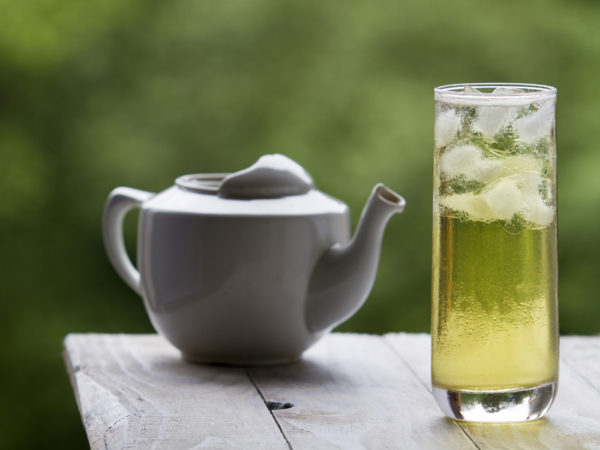
  • Drink peppermint tea and chamomile teas frequently. Both soothe the lining of the digestive tract.
  • Avoid milk and milk products - they increase acid secretion.
  • Eat smaller amounts of foods more frequently. Don't let your stomach go empty for long periods.
  • To protect the lining of your stomach and duodenum (the first section of the small intestine where ulcers usually form) take deglycyrrhizinated licorice (DGL), which has excellent soothing and healing properties. The dose is one half teaspoon of DGL powder or two tablets of DGL extract (chew these slowly) before or between meals. You can continue taking DGL as long as you have symptoms.
  • Try taking one teaspoon of aloe vera juice after meals. It helps heal ulcers.
  • Sip red pepper tea (one quarter teaspoon of cayenne pepper steeped in a cup of hot water) or a small capsule of the powder. Cayenne pepper has a good local anesthetic effect.
  • Make serious efforts to neutralize stress in your life by practicing breathing exercises, learning visualization or hypnotherapy (or both) to heal your ulcer, or taking a course of biofeedback training.
  • If necessary, change whatever in your life causes you the most stress - your job, living situation, or relationships.

Andrew Weil, M.D.

advertisement
 
Copyright © 2008 Weil Lifestyle, LLC
Information on this web site is provided for informational purposes only and is not intended as a substitute for the advice provided by your physician or other healthcare professional. You should not use the information on this web site for diagnosing or treating a health problem or disease, or prescribing any medication or other treatment.