

Prickly pear (called nopal in Spanish) is a cactus (Opuntia spp) native to Mexico that grows in parts of the United States and in some Mediterranean regions. I've long recommended prickly pear extract as a supplement to help control blood sugar levels among diabetics. Products should be readily available in health food stores and Mexican pharmacies.
I haven't seen any evidence showing that prickly pear extract is useful for relief of arthritis symptoms, although some research suggests that it may help control cholesterol. In 2003 one small Italian study (only 10 patients participated) indicated that prickly pear extract might lower LDL ("bad" cholesterol). The supplement had no effect on levels of HDL ("good") cholesterol OR triglycerides. Results of the study were published last year (2003) in Nuclear Medicine Review of Central and Eastern Europe.
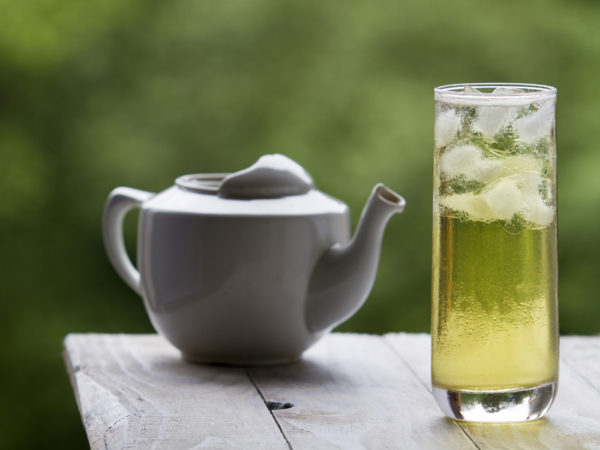
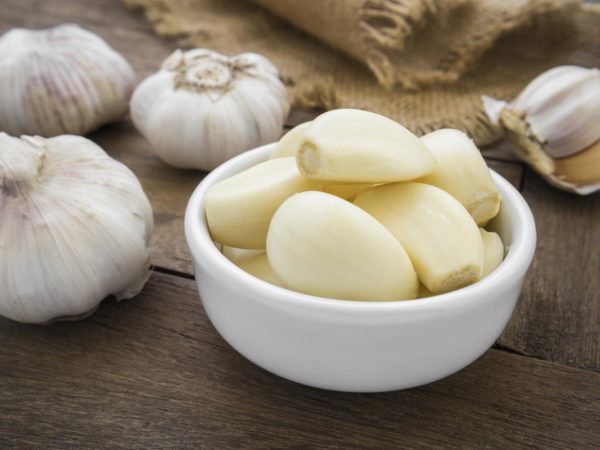
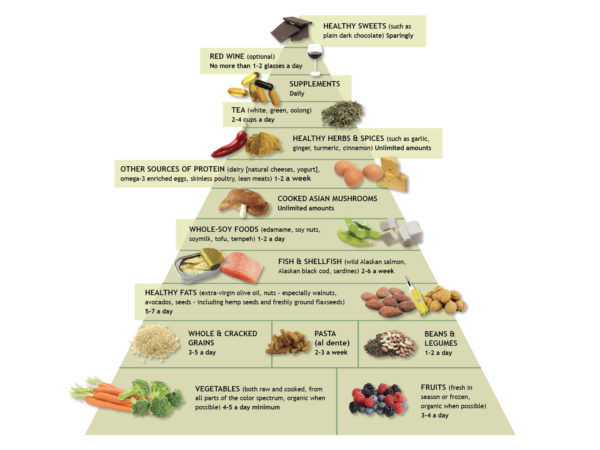
If you're concerned about your cholesterol, reduce the amount of saturated fat in your diet (cut back on dairy foods and red meat), avoid trans-fats (margarine, vegetable shortening, and products containing partially hydrogenated oils), substitute soy protein for animal protein, drink green tea daily, use fresh garlic regularly in your meals, eat plenty of soluble fiber (beans, lentils, apples, citrus fruit, oats, barley, peas, carrots and ground flax seeds are good sources), and lose weight if you're heavier than you should be. You also can try a red rice yeast supplement (take Co-Enzyme Q-10 along with it) for cholesterol control, and a fish oil supplement to help protect your heart.
For arthritis symptoms, try glucosamine sulfate and fish oil supplements. Also experiment with anti-inflammatory herbs such as ginger and turmeric. I recommend Zyflamend, made by New Chapter, which contains both. Losing weight if necessary, and performing daily exercises that put minimal stress on joints can also help (swimming, stationary cycling and light weight training are best).
Andrew Weil, M.D.