

Q & A Library


Print this page | Send to a friend | Sign up for free e-bulletins
 | Bookmark This Page

FREE E-Bulletins
Free HealthTips & Advice
Email


Digg!

Q
Rethinking Soy?
Your last articles about soy were written almost two years ago. Since that time, there appears to be more evidence that soy should be avoided with the exception of properly fermented products, like miso and tempeh. Have you changed your opinion?
A
Answer (Published 3/12/2004)

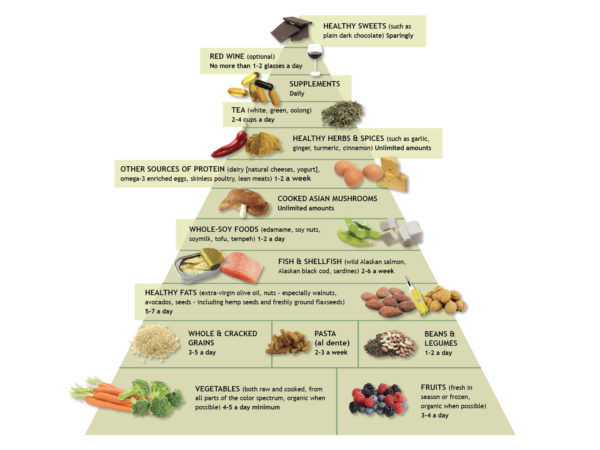
I'm aware of Internet paranoia on the subject of soy and the contention that only fermented soy is safe to consume. That is simply not true. Some of the best forms of soy - edamame, tofu and soy nuts - are unfermented and are much more likely to help you than hurt you.

Related Weil Products
Dr. Weil on Healthy Aging for Healthy Eating - Looking for easy, healthy ways to eat? The Dr. Weil on Healthy Aging online guide has hundreds of recipes, eating guides, shopping lists and more. Don't miss out - join today and get 14 days free!

Claims that unfermented soy foods (such as tofu and soy milk) contain toxins that block the action of enzymes needed to digest protein, and that these toxins cause pancreatic enlargement, cancer and stunted growth in animals are misleading. While soy does contain substances (trypsin inhibitors) that may adversely affect the pancreas in animals, there's no solid evidence that they cause similar problems in humans. Furthermore, trypsin inhibitors are found in all of the vegetables of the cabbage family as well as in beans other than soy.

advertisement

Other concerns about soy safety focus on the following issues:

  • Breast cancer: Here, the idea is that high levels of isoflavones, active ingredients in soy that behave like estrogen in the body, may increase the risk of breast cancer. While high levels of isolated isoflavones may do so, it appears that the total mix of weak plant estrogens in soy protects the body's estrogen receptors. This protection may reduce the effects of excess estrogen exposure from such external sources as meats and dairy products from hormone-treated cows as well as artificial chemicals and industrial pollutants that act as foreign estrogens. Japanese women whose diets contain a lot of soy foods have only one-fifth the rate of breast cancer that occurs among Western women.
  • Thyroid Problems: Excess consumption of soy can affect thyroid function, but only if you have a thyroid disorder to begin with or if you're not getting enough iodine in your diet (a rare deficiency in the United States). If you take medication for hypothyroidism (low thyroid), and are concerned about the effect of eating two daily servings of soy, have your thyroid levels checked regularly.
  • Mineral absorption: The idea that substances in soy called phytates block absorption of essential minerals is also in circulation, but there is no scientific data suggesting that soy consumption leads to mineral deficiency in humans.

All told, based on the evidence to date, I see no reason to worry about eating soy foods, whether fermented or not. I still recommend consuming one to two servings of soy per day, an amount equivalent to one cup of soy milk, or one half cup of tofu, soy protein (tempeh) or soy nuts.

Andrew Weil, M.D.

advertisement
 
Copyright © 2008 Weil Lifestyle, LLC
Information on this web site is provided for informational purposes only and is not intended as a substitute for the advice provided by your physician or other healthcare professional. You should not use the information on this web site for diagnosing or treating a health problem or disease, or prescribing any medication or other treatment.