


Q & A Library


Print this page | Send to a friend | Sign up for free e-bulletins
 | Bookmark This Page

FREE E-Bulletins
Free HealthTips & Advice
Email


Bookmark and Share

Q
Walking Away from Breast Cancer?
I heard that exercise and weight loss can protect against breast cancer. If this is true, how much exercise is necessary? What kind? What about weight loss?
A
Answer (Published 10/20/2003)

Updated on 6/28/2005

Exercise can protect against breast cancer, but until recently, we thought that it mostly helped lower the risk of the disease among women who did strenuous physical activities when they were young. In September of 2003 the Journal of the American Medical Association published results of a study involving more than 74,000 women followed for nearly five years showing that even those who don't begin exercising until later in life can lower their risk by 20 percent, and that a brisk, half hour walk five days a week will do the trick. The exercise effect was seen among women at all levels of risk, even those with a strong family history of breast cancer, those who hadn't had children (a long-recognized risk factor), and those who had taken hormone replacement therapy.

Related Weil Products
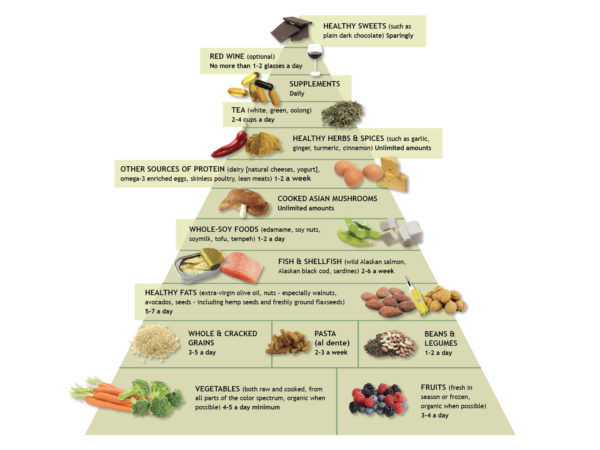
Dr. Weil on Healthy Aging for Cancer Support - Dr. Weil on Healthy Aging - Do you or a loved one have cancer? The Dr. Weil on Healthy Aging online guide has simple, effective preventive health information and tools including an exclusive version of Dr. Weil's Anti-Inflammatory Food Pyramid. Join today and get 14 days free!

The same study found that the more you exercise and the slimmer you are, the greater the risk reduction. For example, the researchers found that women of low to normal weight and even those who were slightly overweight were able to cut their risk by more than 30 percent if they devoted 10 hours a week to exercise.

advertisement

The researchers suggested that exercise influences breast cancer susceptibility by lowering body fat, which in turn reduces levels of circulating sex hormones. Another study, published in the August 20, 2003 issue of the Journal of the National Cancer Institute, found that obese, postmenopausal women were at higher-than-normal risk of breast cancer because their fat cells release too much estrogen. The more the women in the study weighed, the higher their risk of breast cancer and the higher their levels of the hormone estradiol, a potent form of estrogen.

Some breast cancer risks can't be controlled: about 10 percent of all cases are hereditary, and getting older also increases the risk. But these studies show women what they can do to improve the odds.

Andrew Weil, M.D.

Creative Commons License Some Rights Reserved Creative Commons Copyright Notice
A portion of the original material created by Weil Lifestyle, LLC on DrWeil.com (specifically, all question and answer-type articles in the Dr. Weil Q&A Library) is licensed under a Creative Commons Attribution-Noncommercial-No Derivative Works 3.0 United States License.
advertisement
 
Copyright © 2010 Weil Lifestyle, LLC
Information on this web site is provided for informational purposes only and is not intended as a substitute for the advice provided by your physician or other healthcare professional. You should not use the information on this web site for diagnosing or treating a health problem or disease, or prescribing any medication or other treatment.