

Q & A Library


Print this page | Send to a friend | Sign up for free e-bulletins
 | Bookmark This Page

FREE E-Bulletins
Free HealthTips & Advice
Email


Bookmark and Share

Q
Is the Peel the Best Part?
Apparently the peel of many vegetables, such as cucumbers, contain the richest nutrients yet many people feel that with all the chemicals used in today's farming, raw vegetables should always be peeled before eating. What do you recommend?
A
Answer (Published 9/23/2003)

Updated on 4/4/2005

It is a myth that the peel of vegetables is the most nutritious part. In fact, the peel is there to protect the more nutritious part of the vegetable (or fruit) underneath. And I agree with the idea that raw vegetables (and those you plan to cook) should be peeled if you don't know where they came from and, therefore, don't know what pesticide residues they may contain.

Related Weil Products
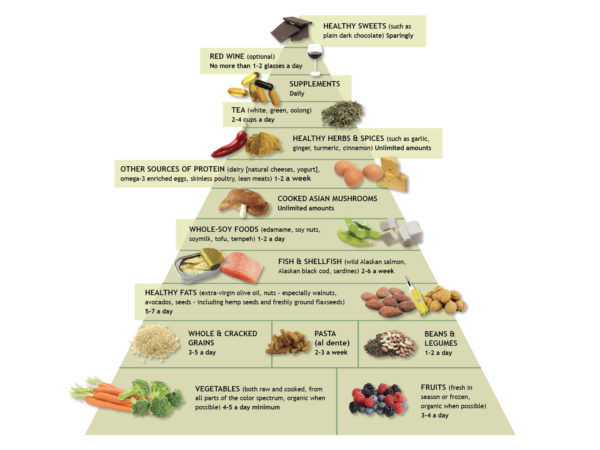
Dr. Weil on Healthy Aging - Your Anti-Inflammatory Diet Source - Want to promote overall health and help minimize the risk of inflammatory diseases? Join Dr. Weil on Healthy Aging, your online guide to the anti-inflammatory diet. Start your 14-day free trial now for access to shopping eating guides, hundreds of recipes, an exclusive version of Dr. Weil's Anti-Inflammatory Food Pyramid and more!

If you are a regular reader, you know that I recommend buying organic produce whenever possible in order to avoid the pesticides used on fruits and vegetables. However, if organic produce isn't available to you I recommend buying locally grown fruits and vegetables when available. You're more likely to find fresh, ripe produce at farmers' markets or farm stands than in supermarkets, and the fruits and vegetables are less likely to be waxed and sprayed with pesticides. Better yet, if possible, grow your own vegetables in your backyard.

advertisement

When you do buy commercially grown vegetables, be sure to peel such vegetables as carrots, potatoes, cucumbers and acorn squash. To reduce your exposure to pesticides, I also recommend washing green beans and leafy vegetables in a solution of one teaspoon of dishwashing detergent to a gallon of water. Swirl the fruits and vegetables in the solution and then rinse them well with warm water.

Andrew Weil, M.D.

Creative Commons License Some Rights Reserved Creative Commons Copyright Notice
A portion of the original material created by Weil Lifestyle, LLC on DrWeil.com (specifically, all question and answer-type articles in the Dr. Weil Q&A Library) is licensed under a Creative Commons Attribution-Noncommercial-No Derivative Works 3.0 United States License.
advertisement
 
Copyright © 2010 Weil Lifestyle, LLC
Information on this web site is provided for informational purposes only and is not intended as a substitute for the advice provided by your physician or other healthcare professional. You should not use the information on this web site for diagnosing or treating a health problem or disease, or prescribing any medication or other treatment.