

Q & A Library


Print this page | Send to a friend | Sign up for free e-bulletins
 | Bookmark This Page

FREE E-Bulletins
Free HealthTips & Advice
Email


Bookmark and Share

Q
What's the Best Treatment for Valley Fever?
Do you have any suggestions for treating Valley Fever?
A
Answer (Published 1/7/2002)

Valley Fever is an infection - usually of the lungs - caused by a fungus, Coccidioides immitis, found in the southwestern United States and northwestern Mexico. It was discovered in the San Joaquin Valley of California and is also sometimes called "San Joaquin Valley fever," "desert fever," or "desert rheumatism." Valley Fever is very common here in Arizona. We see a lot of infections in June and July and then again in October and November. In California, the "season" for Valley Fever runs from June through November. The fungus lives in the soil, and those most susceptible to infection are farm and construction workers as well as archeologists and others whose jobs involve disturbing the soil and who may inhale the spores.

Related Weil Products
Dr. Weil's Vitamin Advisor for Your Body - Foods, herbs and drugs can all interact, sometimes in unexpected ways. Dr. Weil's Vitamin Advisor takes known interactions into account when developing recommendations, to help safeguard against adverse effects. Learn more, and get your free, personalized Dr. Weil's Vitamin Advisor recommendation today.

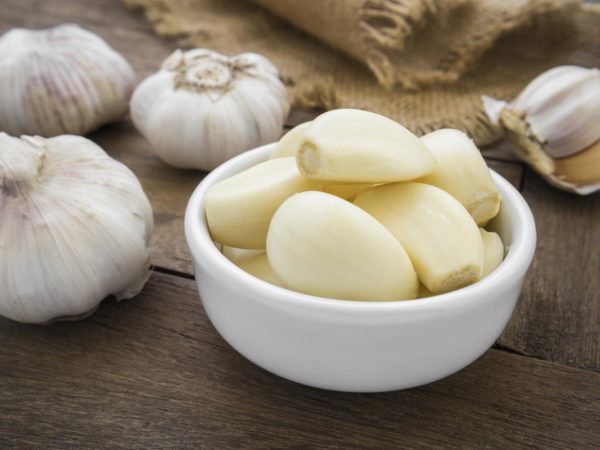
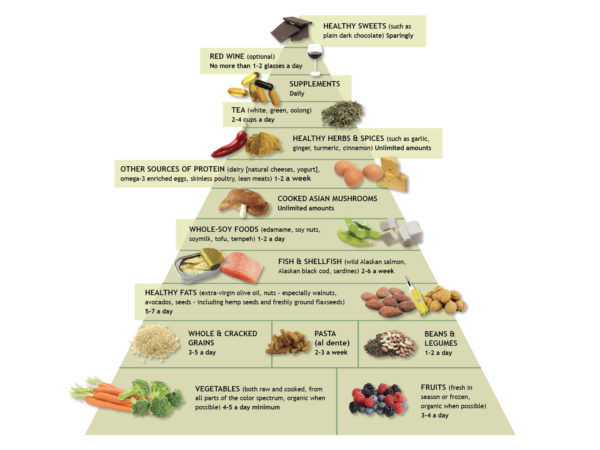
More than 60 percent of all cases are so mild that those infected never feel sick and never know they have Valley Fever. Those who feel bad enough to go to the doctor usually complain of fatigue, cough, chest pain, fever, rash, headache, and joint aches. Most of the time no specific treatment is needed, just plenty of rest. However, I do suggest eating one or two cloves of raw garlic daily. Garlic has antibiotic and antifungal properties that may make it useful in counteracting fungal infections such as Valley Fever. You can make raw garlic more palatable by chopping it fine and mixing it with food. Or cut a clove into chunks and swallow them whole like pills (remember, a clove is one of the segments of a head or bulb of garlic).

advertisement

About five percent of cases of Valley Fever lead to pneumonia or other breathing problems that require treatment, typically with Diflucan (fluconazole), a strong prescription antifungal drug. Side effects of this medication can include nausea, vomiting or abdominal pain, diarrhea, headache, or rash. Be sure to tell your physician about any severe or unusual side effects. In rare cases, Diflucan can cause liver damage. It's not known if Diflucan is safe for use by pregnant women, so before taking it, be sure to tell your doctor if you think you might be pregnant. In an even smaller percentage of cases of Valley Fever, the infection becomes generalized and potentially life-threatening, requiring more drastic treatment.

The best way to deal with Valley Fever would be a vaccine to prevent it. Researchers at the Valley Fever Center for Excellence here in Tucson (one of several such centers in the southwest and California) are working on a vaccine. Let's hope they find one soon.

Andrew Weil, M.D.

Creative Commons License Some Rights Reserved Creative Commons Copyright Notice
A portion of the original material created by Weil Lifestyle, LLC on DrWeil.com (specifically, all question and answer-type articles in the Dr. Weil Q&A Library) is licensed under a Creative Commons Attribution-Noncommercial-No Derivative Works 3.0 United States License.

Related Topics
advertisement
 
Copyright © 2010 Weil Lifestyle, LLC
Information on this web site is provided for informational purposes only and is not intended as a substitute for the advice provided by your physician or other healthcare professional. You should not use the information on this web site for diagnosing or treating a health problem or disease, or prescribing any medication or other treatment.