

In This Week's Issue:
Get Thinner With Chocolate?
Actress Katherine Hepburn credited her famously slim build to "a lifetime of chocolate," and now a new investigation from California suggests that eating chocolate is "calorie neutral" and doesn't cause weight gain. Researchers from the University of California, San Diego set out to test the hypothesis that eating small amounts of chocolate on a regular basis wouldn't contribute to weight gain. They analyzed information from 1,000 overweight but not obese men and women and found that those who ate chocolate most often tended to consume more calories overall, including saturated fat, but weighed five to seven pounds less than people who didn't eat any chocolate. This held true regardless of age, gender or amount of exercise reported by the chocolate-eaters. The difference seemed to hinge on how often the participants ate chocolate, not how much they ate. The study was published online on March 26, 2012 by the Archives of Internal Medicine.
My take? Chocolate has many health benefits - it is a source of polyphenols (the same type of antioxidants found in red wine), and the fat it contains, stearic acid, doesn't affect cholesterol levels. In addition, research has indicated that the flavonoids in dark chocolate may help reduce the stickiness of platelets, cells that play an important role in blood clotting. As a result, blood takes longer to clot, reducing the risks of coronary artery blockages. Chocolate's polyphenols also appear to boost levels of HDL (the "good" cholesterol) and lower LDL (the "bad" cholesterol) at least in the lab. I have long recommended good-quality dark chocolate as a healthy snack, as long as you don't go overboard. An ounce or two a few times a week is good for you, but it's not a strategy to lose weight. I'll be interested to learn what it is about chocolate that explains the findings that people who eat chocolate regularly are thinner than those who don't.
Want Women's Health Information?
If you are a woman, you know that your health needs are different from men's. From gender-related health concerns and managing stress to finding balance and eating healthfully, our Women's Interest Newsletter has simple tips that provide the perfect base for improving your overall health and wellness. Sign up for this free weekly newsletter today!
Raisins to Lower Blood Pressure
Snacking on raisins a few times a day may help lower your blood pressure if you have prehypertension, a condition affecting one of every three Americans. Prehypertension is defined as having systolic pressure (the top number) from 120 to 139 millimeters of mercury (mm Hg) or a diastolic (lower number) pressure from 80 to 89 mm Hg. For a study reported at the annual scientific session of the American College of Cardiology in March 2012 researchers randomly assigned 46 men and women with prehypertension to snack of raisins or non-fruit snacks (including cookies and crackers that had the same caloric value as raisins) three times a day for 12 weeks. Results showed reductions in both systolic and diastolic blood pressure among the participants who snacked on the raisins but no significant change in the blood pressure of those who ate the other snacks. Raisins are high in potassium, which is known to lower blood pressure. They also provide dietary fiber that may be helpful, the lead researcher noted, adding that more studies are needed to confirm these findings. The study was funded by a grant from the California Raisin Marketing Board.
Supplements for Your Heart?
Specific supplements, including coenzyme Q10, magnesium and omega-3s, may help support and maintain heart health. Learn more at Dr. Weil's Vitamin Advisor, and get your free recommendation today.
Yogurt Drink + Vitamin D Fights Inflammation
Sipping a daily dose of a vitamin D fortified Persian yogurt drink called doogh seems to dial down inflammation in people with type 2 diabetes. Inflammation, which is now being recognized as a root cause of many chronic diseases, can lead to heart disease and stroke and other complications of type 2 diabetes. Researchers in Iran previously conducted studies showing that drinking vitamin D fortified doogh daily lowered blood sugar levels in patients with type 2 diabetes. In a double-blind randomized, controlled, 12 week trial to investigate doogh's effect on inflammation, the research team divided 90 patients into three groups. One group received two 250mL bottles of plain doogh to drink daily, the second group received vitamin D fortified doogh, and the third was asked to drink doogh fortified with both vitamin D and calcium. The investigators found that the calcium and vitamin D fortified doogh increased levels of the anti-inflammatory substance adiponectin and decreased levels of highly sensitive C-reactive protein, which is a key marker of inflammation. The study was published in the June 2012 issue of the Journal of Clinical Endocrinology and Metabolism.
What Makes the Anti-Inflammatory Diet Healthy?
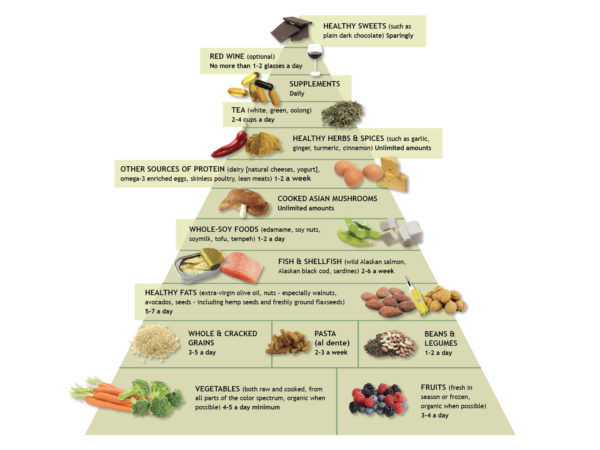
From the best grains and oils to which fish to enjoy (and which to avoid), eating for your health can seem challenging - but it doesn't have to be! Dr. Weil on Healthy Aging has simple yet informative lists for shopping, preparing and cooking. We cover the anti-inflammatory diet from A-Z! Start your two-week free trial today.
Recipe: Spring Vegetable Frittata
Frittatas, or Italian omelets, are a bit easier to make than omelets, though the techniques are similar. I like frittatas because they are a substantial dish - dense with eggs, vegetables, and seasonings. You can eat a slice or two for breakfast, brunch, or lunch, or you can warm up a slice for a quick dinner on those evenings when you get home late from work. I like to serve the frittata with a mixed green salad.
Try this recipe today: Spring Vegetable Frittata
Sponsor
Do you know what vitamins to take?
From vitamin A to zinc, getting the right amount of supplements and minerals for your body is based on factors including gender, health issues and nutrition. Find out what supplements are right for you - visit Dr. Weil's Vitamin Advisor today for your free recommendation. Find out - click here!
What's New
See a complete list of Dr. Weil's speaking engagements on the Events page.
9th Annual Nutrition & Health Conference
April 15-18, 2012, Boston, Massachusetts
Expanding on the growing success of previous Nutrition and Health conferences, the 9th annual meeting, co-directed by Dr. Andrew Weil, will assemble an outstanding faculty of internationally-known scientific researchers, skilled clinicians, innovative chefs, and best-selling authors whose work focuses on the interface between nutrition and healthful living. This conference will provide essential information for health professionals who address issues of food and nutrition in their clinical practices, including the latest research findings, practical recommendations for clinical care, and challenging discussions of public policy. Registration information: www.nutritionandhealthconf.org
Dr. Weil Launches New Website: SpontaneousHappiness.com
Based on Dr. Weil’s latest book, SpontaneousHappiness.com is designed to help you achieve emotional well-being in just eight weeks! This easy-to-follow plan has interactive tools and features focusing on natural ways to improve your emotional well-being in the areas of Body, Mind and Spirit. Begin your free 10-day trial today.
DrWeil.com Newsletters
Whether you want information on a healthy heart, the Dr. Weil-recommended Anti-Inflammatory Diet, women's health or just want to connect with yourself, sign up for the newsletters from DrWeil.com. We have four new offerings, with more coming in the near future!
Follow Dr. Weil on Social Media:
Join Dr. Weil on Facebook, Twitter, and Dr. Weil's Daily Health Tips Blog.
Dr. Weil's Videos
Find a wide variety of videos from Dr. Weil on these video channels: YouTube and Vimeo.