

Simply not having enough awareness about eating could be the culprit. A recent study designed to examine the attitudes of middle aged American women toward food, found that those who tended to eat impulsively or who were described as "guilt-ridden dieters" were the most obese among a group of 200 women who participated in the study. Those who weighed least were women who were concerned about nutrition and were determined to eat well and those who were creative cooks focused on healthy food for their families. In the middle was a group of women who led busy lives and were preoccupied with responsibilities and activities other than food, and therefore tended to avoid cooking. The average age of the women in the study was 46. This was a well-educated group - two-thirds of the participants had four-year college degrees. The researchers compared the groups of women by percentage of body fat, waist size and body mass index. The study was published in the December 2009 issue of Health Education & Behavior.
My take? It’s not surprising that impulsive eating was linked to weight problems in this study. When you reach for chocolates, snack foods or other "comfort" foods, it's often because you're stressed, depressed, or bored. When you eat in response to social cues - such as having lunch or dinner when you're not hungry - or when you eat unconsciously, you're not really tuned in to your nutritional needs or your body’s signals of hunger and satiety. To successfully control your weight, you have to pay attention to what you eat - both quality and quantity - and carve out the time to think about your nutritional needs and prepare healthy meals.
Overcoming Exercise Obstacles
If you have trouble getting started or sticking with an exercise routine, help is here: Join Dr. Weil on Healthy Aging for access to dozens of fitness videos, articles, and guides, along with a supportive community that will cheer you on and help you celebrate your fitness goals! Start your free trial today and save 30%!
An Apple A Day … Boosts Beneficial Bacteria
Here’s a possible explanation for the old saying "an apple a day keeps the doctor away." Danish researchers looked into the question of why apples are good for us by analyzing the microbial content of the digestive systems of rats. The study animals were put on a diet rich in apples, apple juice, and apple purée and their gastrointestinal flora was compared to the microbial content of animals on a regular rat diet. They reported that rats eating a diet high in pectin¸ a component of dietary fiber in apples, had increased amounts of beneficial bacteria - the kind known to improve intestinal health. The investigators concluded that as a result of eating apples regularly, the friendly bacteria "help produce short chain fatty acids that provide ideal pH conditions for ensuring a beneficial balance of microorganisms." They also found that the good bacteria produce butyrate, a chemical that is an important fuel for cells of the intestinal wall. More research is needed to see if pectin has the same effects in humans. The study was published Jan. 20, 2010 in BMC Microbiology.
Need Help Staying Regular?
In addition to staying hydrated and eating a fiber-rich diet, consider magnesium and triphala to help maintain bowel regularity. See if you are getting enough - visit Dr. Weil's Vitamin Advisor for your free, personalized recommendation; if you decide to purchase our supplements, save up to 25% on your first order.
Non-Stick Pans and Thyroid Disease
A chemical used in non-stick pans and water-resistant fabrics may play a role in thyroid disease. This finding by British researchers isn’t at all certain - the investigators identified a link between PFOA (perfluorooctanoic acid) and higher rates of thyroid disease but didn’t show that the chemical actually causes the disease. They discovered that adults with the highest concentrations of PFOA in their blood serum were more than twice as likely to report thyroid disease as those whose blood levels of PFOA were lowest. The study participants were nearly 4,000 American adults age 20 and older. At this point, we don’t know whether this finding means that the PFOA disrupts binding of thyroid hormones in the blood or alters metabolism of the hormones in the liver. It could be that the thyroid disease occurs first and alters the way the body handles PFOA. Another possibility: since thyroid disease often is caused by an immune system malfunction, PFOA may be affecting the immune system. The study was published online in the Jan. 20, 2010 issue of Environmental Health Perspectives.
Bye-Bye Bad Habits
Want to overhaul the way you eat and exercise? Need help getting and staying motivated? We've got a program for you: Dr. Weil's Optimum Health Plan. Drastic change can't happen overnight - but we'll show you how to take small, easy steps so you can start living more healthfully, beginning today. Visit now!
Carrot Ginger Soup
Usually found in tropical gardens, ginger root - which is actually an underground stem, or rhizome - sprouts large pink and orange flowers that look as if they've been carved out of wax. Although they are a much more common sight in home gardens, carrots (a member of the parsley family) aren't given to such showy blooms. Nevertheless, carrots pack a nutritional punch as impressive as any ginger blossom. Put the two roots together and you've got one of the most delicious flavor combinations I know of. Buy smooth ginger pieces (wrinkled ones are old and dry) and peel the skin away. Ginger is a wonderful digestive aid that strengthens the lining of the upper gastrointestinal tract, protecting against ulcers and parasites. The carotenes from carrots fortify the immune system and help maintain healthy skin and hair. When buying carrots, avoid those with cracks and be sure to remove carrot greenery, as it leaches moisture and vitamins from the roots.
Food as Medicine: Ginger has been shown to significantly reduce both nausea and vomiting associated with "morning sickness" that some women experience during pregnancy.
View Recipe
Healthy Aging Tip
Courtesy of Dr. Weil on Healthy Aging
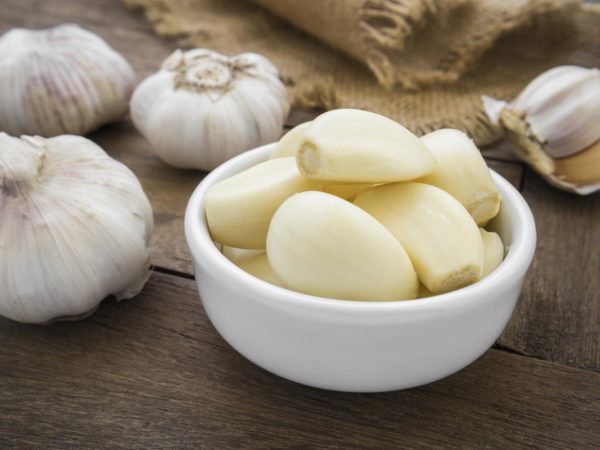
When Buying Spices: Spices are an important part of the anti-inflammatory kitchen and diet. Herbs are best when used fresh, but dried herbs, such as basil, sage, thyme, and rosemary, can keep their characteristics and aroma very well in everyday cooking. When purging your kitchen, take the time to clean out your herbs, aromatics and spices. Open each and sniff for freshness; toss if they've lost their aroma or bloom. Some anti-inflammatory herbs and spices Dr. Weil enjoys and recommends include turmeric, curry powder, ginger and garlic.
Featured Discussion:
"How do you make a curry smoothie?" asks Smedstad.
While researching turmeric, I came across a discussion site where a morning "curry smoothie" was mentioned. I cannot find a recipe. Does anyone on this site drink curry smoothies? If so, would you share the recipe?
Sponsor
The Anti-Inflammatory Diet
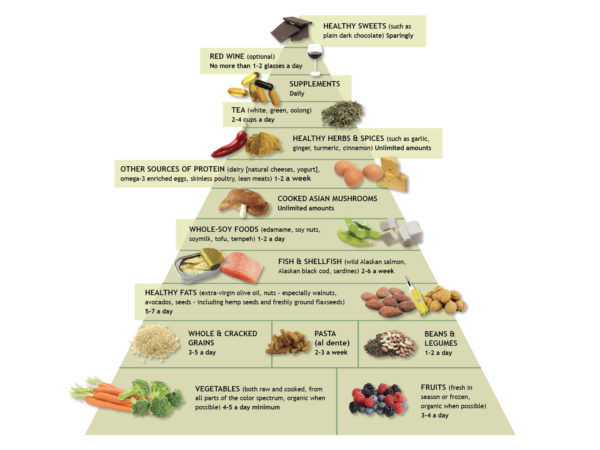
From how to shop and healthy cooking techniques to an exclusive version of Dr. Weil's Anti-Inflammatory Food Pyramid, all the tools and knowledge to eat an anti-inflammatory diet are available at Dr. Weil on Healthy Aging. See for yourself: start your 14-day free trial now!
What's New
WEIL on Wellness at Miraval Resort and Spa
Feb 28 - Mar 3, 2010, Tucson, Arizona
Stress, and how we deal with stress, has a direct effect on our nutrition and diet. When under stress, there is a greater potential to make unhealthy eating decisions that may include such responses as emotional eating, mindless munching and crash diets. Dr. Weil's ground-breaking new program, Weil on Wellness at Miraval Resort and Spa, dedicates over thirty years of experience to uncovering the negative responses that occur when dealing with stress and how to make significant changes to these coping mechanisms for overall health and wellness. Registration information.
STG Presents Dr. Andrew Weil at The Moore Theatre
March 13th, 2010 - Seattle, Wash. 8:30pm
Spend an evening with Dr. Weil learning how you can keep your body's inherent healing system in peak working order as you encounter the challenges of day-to-day life; he also shows how to construct a lifestyle that will protect you from premature illness and disability, and teaches practices and skills that will enable you to prepare for any eventual health crisis you may face. Ticket purchase and information.
2010 Integrative Mental Health Conference
March 22-24, 2010 - Phoenix, Arizona
This conference, sponsored by the Arizona Health Sciences Center at the University of Arizona and presented by the Arizona Center for Integrative Medicine, is the first conference of its kind to assemble leaders in integrative mental health (IMH), creating a new field and framework with which to promote mental wellbeing. Registration information.
7th Annual Nutrition & Health Conference
May 10-12, 2010 - Atlanta, Georgia
The 7th annual Nutrition and Health: State of the Science and Clinical Applications conference is the premier nutrition conference for health professionals in the U.S. Co-presented by the Arizona Center for Integrative Medicine, the conference assembles internationally-recognized researchers, clinicians, educators, and chefs, all of whose work focuses on the interface between nutrition and healthful living. Find conference registration information here, and information on the Public Forum (Tuesday, May 11, 2010 7-9pm).
FEATURED PRODUCTS