

A lot of Internet hype still surrounds astaxanthin, one of the many cancer-protective carotenoids in orange and red fruits and vegetables as well as dark leafy greens, wild salmon, trout, red sea bream and shrimp. Astaxanthin is being promoted as a superior antioxidant with power to protect the eyes, skin, joints and central nervous system as well as to boost immunity, reduce risks of cancer and prevent heart disease. Many of these claims are based on test tube and animal studies. So far, I've seen no human study that has shown that astaxanthin as an isolated dietary supplement delivers any of these claimed benefits. Some research suggests that it may prove useful for treatment of carpal tunnel syndrome, rheumatoid arthritis, muscle weakness or injury, high LDL ("bad") cholesterol, and male infertility. More comprehensive studies are needed, however, before we can say for sure that astaxanthin is an effective treatment for any of these disorders.
If you're taking an astaxanthin supplement, you should be aware that it may lower blood pressure (evidence comes from studies in rats); if you're on medication for high blood pressure, tell your physician that you're taking it. Other potential side effects include increased skin pigmentation and hair growth, hormonal changes, lowered blood levels of calcium, decreased libido, breast enlargement in men, and changes in blood tests. Astaxanthin isn't recommended for women who are pregnant or nursing.
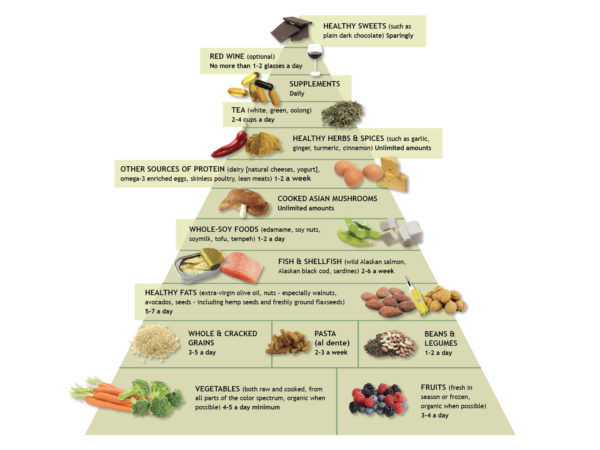
I see no reason to take astaxanthin as a single supplement, but it should be included as part of a complex of mixed carotenoids. My antioxidant formula provides astaxanthin along with beta-carotene, lycopene, alpha-carotene, lutein and zeaxanthin. More important, however, is to make sure that your daily diet contains a variety of brightly colored fruits and vegetables that give you many different health-protective antioxidants.
Andrew Weil, M.D.