

What Blood Tests Do I Need?
I’m scheduled to have a complete physical exam. Can you tell me what lab tests I’ll need and how often I should have them?
Andrew Weil, M.D. | August 31, 2010
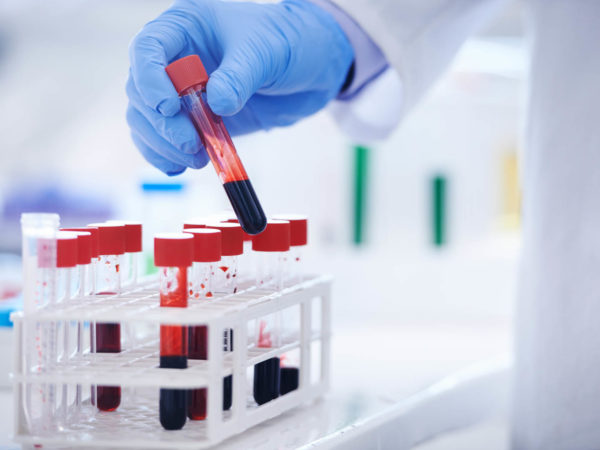
A thorough physical exam includes some routine blood tests and, I believe, at least one that you should request if it’s not offered: a check of your vitamin D level (deficiency is common). You should have the following tests every time you have a complete physical:
CBC and differential: This complete blood count measures your red blood cells (which carry oxygen throughout the body), your white blood cells (your immune cells) and platelets (which help blood clot) as well as the shapes, sub-types and sizes of these cells. Here, the trend over time is more important than any single finding: a low red blood cell count might mean anemia (the "differential" analysis tells you whether a low count stems from internal bleeding, a lack of iron or a lack of B-vitamins). Changes in the number and types of white blood cells can indicate problems in the bone marrow where these cells are made or suggest general illness.
Renal panel: This test tells you how well your kidneys are functioning. It includes measures of sodium, potassium, calcium, urea nitrogen, creatinine, carbon dioxide, chloride, glucose and phosphate.
Liver panel: This measures your liver enzymes. Results indicate the general health and functioning of that organ. Be sure to follow these test results if you’re taking any medication that might damage the liver.
Lipid (cardiac) panel: For this one you have to fast for at least eight hours. It measures your total cholesterol, LDL ("bad") cholesterol, HDL ("good") cholesterol, and triglycerides. If not included in the lipid panel, ask for tests measuring C-reactive protein (a marker of inflammation that can indicate cardiac risk independent of cholesterol); homocysteine¸ to detect the presence of a toxic amino acid which has been linked to heart disease risk; and fractionated LDL, which tells you more about the nature of LDL in your bloodstream (not all of it is bad) and can help with decision-making if drug treatment for high cholesterol is contemplated.
Blood glucose: This also requires fasting; it looks at how well your body utilizes sugar and is used to confirm and monitor diabetes as well as long term blood sugar control.
Urinalysis: This isn’t blood test, but a complete physical should require you to provide a urine sample. The lab analysis can detect problems that can’t yet be seen or felt, such as tiny amounts of blood in the urine.
I also have some recommendations for other medical tests you may need.
Andrew Weil, M.D.
More information: Are Routine Physical Exams Necessary?