

Q & A Library


Print this page | Send to a friend | Sign up for free e-bulletins
 | Bookmark This Page

FREE E-Bulletins
Free HealthTips & Advice
Email


Bookmark and Share

Q
Marijuana for Cancer?

I know that medical marijuana can help relieve nausea and vomiting due to chemotherapy, but recently, I’ve heard about the use of marijuana to actually treat cancer. Is this true? 

A
Answer (Published 7/23/2010)

You're quite right: exciting new research suggests that the cannabinoids found in marijuana may have a primary role in cancer treatment and prevention. A number of studies have shown that these compounds can inhibit tumor growth in laboratory animal models. In part, this is achieved by inhibiting angiogenesis, the formation of new blood vessels that tumors need in order to grow. What's more, cannabinoids seem to kill tumor cells without affecting surrounding normal cells. If these findings hold true as research progresses, cannabinoids would demonstrate a huge advantage over conventional chemotherapy agents, which too often destroy normal cells as well as cancer cells.

Related Weil Products
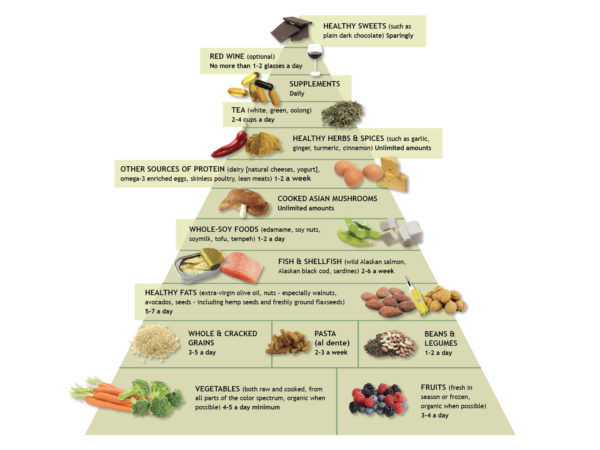
Dr. Weil on Healthy Aging for Cancer Support - Dr. Weil on Healthy Aging - Do you or a loved one have cancer? The Dr. Weil on Healthy Aging online guide has simple, effective preventive health information and tools including an exclusive version of Dr. Weil's Anti-Inflammatory Food Pyramid. Join today and get 14 days free!

As long ago as 1975, researchers reported that cannabinoids inhibited the growth of a certain type of lung cancer cell in test tubes and in mice. Since then, laboratory studies have shown that cannabinoids have effects against tumor cells from glioblastoma (a deadly type of brain cancer) as well as those from thyroid cancer¸ leukemia/lymphoma, and skin, uterus, breast, stomach, colorectal, pancreatic and prostate cancers.

So far, the only human test of cannabinoids against cancer was done in Spain and was designed to determine if treatment was safe, not whether it was effective. (In studies on humans, such "phase one trials," are aimed at establishing the safety of a new drug, as well as the right dosage.) In the Spanish study, reported in 2006, the dose was administered intracranially, directly into the tumors of patients with recurrent brain cancer. The investigation established the safety of the dose and showed that the compound used decreased cell proliferation in at least two of nine patients studied.

advertisement

It is not clear that smoking marijuana achieves blood levels high enough to have these anticancer effects. We need more human research, including well-designed studies to find the best mode of administration.

If you want to learn more about this subject, I recommend an excellent documentary film, "What If Cannabis Cured Cancer," by Len Richmond, which summarizes the remarkable research findings of recent years. Most medical doctors are not aware of this information and its implications for cancer prevention and treatment. The film presents compelling evidence that our current policy on cannabis is counterproductive and foolish. Another reliable source of information is the chapter on cannabinoids and cancer in Integrative Oncology (Oxford University Press, 2009), a textbook I edited with integrative oncologist Donald I. Abrams, M.D.

Andrew Weil, M.D.

For more information, visit Len Richmond's website and watch the trailer of: "What If Cannabis Cured Cancer."

What's your take on the medicinal use of marijuana? Click here to state your case in our discussion groups.
Creative Commons License Some Rights Reserved Creative Commons Copyright Notice
A portion of the original material created by Weil Lifestyle, LLC on DrWeil.com (specifically, all question and answer-type articles in the Dr. Weil Q&A Library) is licensed under a Creative Commons Attribution-Noncommercial-No Derivative Works 3.0 United States License.
advertisement
 
Copyright © 2010 Weil Lifestyle, LLC
Information on this web site is provided for informational purposes only and is not intended as a substitute for the advice provided by your physician or other healthcare professional. You should not use the information on this web site for diagnosing or treating a health problem or disease, or prescribing any medication or other treatment.