

I'm assuming you're referring to osteoarthritis, the degenerative disease that occurs as we get older and is the result of years of wear and tear. This common malady is marked by breakdown of the cartilage that cushions joints. Symptoms include pain after repeated use, especially later in the day; and swelling, pain, and stiffness after long periods of inactivity (the stiffness you may feel when you get out of bed in the morning tends to subside with movement and activity). In advanced cases, pain occurs even at rest.
Drinking water with any kind of salt won't do a thing for your arthritis and could affect you adversely in other ways. If you're salt sensitive, it could cause water retention and elevate your blood pressure, a risk factor for cardiovascular disease.
While I don't recommend drinking salt water, there are dietary changes you can make that may help reduce the inflammation that underlies arthritis pain:
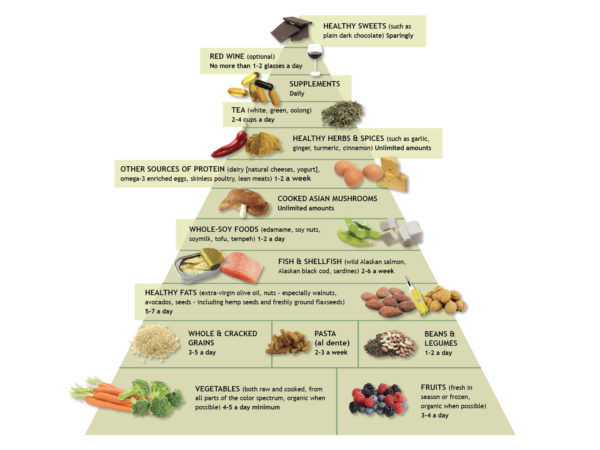
- Eat oily fish such as salmon, or try another source of omega-3 fatty acids such as walnuts or freshly ground flax seed daily. You can also take omega-3 supplements (2-3 grams of fish oil a day).
- Regularly use ginger and turmeric. You can work ginger into your diet by drinking ginger or turmeric tea or taking extracts of these herbs in capsule form.
- Eat generous amounts of organically grown vegetables and fruit every day. The antioxidants they contain may help reduce tissue damage from inflammation.
The following supplements may help, too:
- Glucosamine sulfate. Glucosamine sulfate provides joints with the building blocks they need to help repair natural wear on cartilage. Specifically, this supplement provides the raw material needed by the body to manufacture a mucopolysaccharide (called glycosaminoglycan) found in cartilage.
- Evening primrose oil. This is a source of gamma-linolenic acid (GLA) that may help maintain healthy joints by modifying inflammation.
- Bone health-related herbs and spices. In addition to ginger and turmeric, mentioned above, holy basil, green tea, rosemary, scutlellaria and huzhang all contain naturally occurring anti-inflammatory compounds that are believed to act as COX-2 inhibitors.
Andrew Weil, M.D.