
Alpha-1 antitrypsin (AAT) deficiency is an inherited disorder that can cause lung disease in adults and liver problems in adults and children. AAT is a protein made in the liver and released into the bloodstream. Its function is to protect the lungs. Although children with this deficiency can develop lifelong liver problems, this doesn’t always happen.
According to the American Liver Foundation, many people who inherit an AAT deficiency never develop any of the associated lung and liver diseases. The disorder can be diagnosed with a blood test (if one family member is deficient, others should be tested). Those affected individuals who have a related lung or liver disease require ongoing medical care.
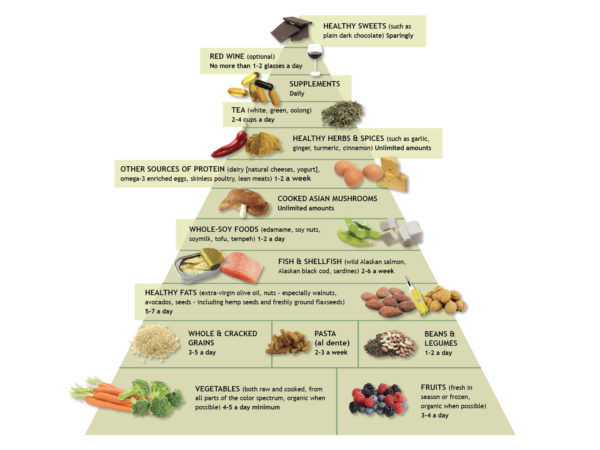
The most important thing anyone with this deficiency can do to protect the lungs is to avoid smoking, secondhand smoke, and exposure to dust, fumes or other airborne toxins. At home and at work, avoid flower and tree pollen, ash, paint fumes and fumes from cleaning products. There is no cure for AAT. Treatment emphasizes good nutrition to ensure that the liver and the rest of the body have essential nutrients.
I see no reason why your son shouldn’t be able to take milk thistle (Silybum marianum), an herbal preparation. I checked with Tieraona Low Dog, M.D., director of The Fellowship at the Arizona Center for Integrative Medicine and an expert in botanical medicine. She agreed that it is safe for your son to take milk thistle on a long-term basis, although she said that she didn’t know if it would be effective given his AAT deficiency. The correct dosage for children is 5-10 mg per kilogram of body weight per day.
Make sure that your son sees his physician as scheduled so that any complications of AAT deficiency can be detected early and treated promptly.
Andrew Weil, M.D.