

Q & A Library


Print this page | Send to a friend | Sign up for free e-bulletins
 | Bookmark This Page

FREE E-Bulletins
Free HealthTips & Advice
Email


Bookmark and Share

Q
Can SAM-e Hurt My Heart?

What is the effect of SAM-e on homocysteine levels? Should I avoid SAM-e supplements given the role homocysteine plays in heart disease?

A
Answer (Published 10/10/2008)

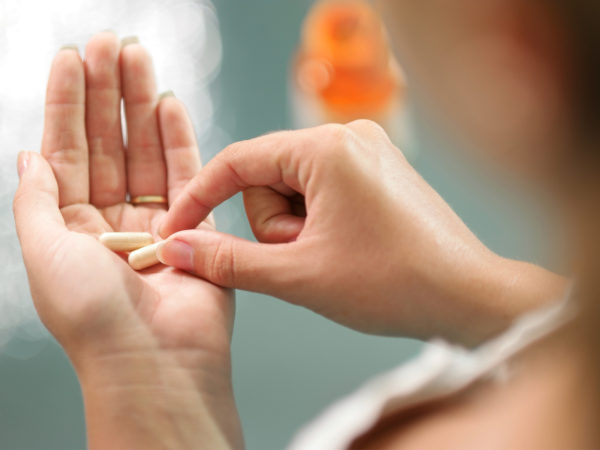
SAM-e (S-adenosylmethionine), a dietary supplement (pronounced "sammy"), is used to treat depression, arthritis, and some liver disorders. Homocysteine is a toxic amino acid, a breakdown product of protein metabolism. Elevated homocysteine levels are a risk factor for both cardiovascular and kidney disease.

Related Weil Products
Dr. Weil's Vitamin Advisor for Heart Health - A healthful diet and lifestyle, along with prudent supplementation, can help prevent or lessen the risk of heart disease and related illnesses such as hypertension, high blood pressure and cholesterol. Learn more, and get your free, personalized Dr. Weil's Vitamin Advisor Recommendation today.

Since SAM-e is ultimately converted in the body to homocysteine, it is theoretically possible that taking it could elevate homocysteine levels. But that doesn't happen. In fact, SAM-e actually appears to lower homocysteine by helping the body metabolize it. A small study (with only 15 volunteers) at McLean Hospital in Belmont, MA looked at the effects on homocysteine after taking daily doses of 1600 mg of SAM-e for four weeks. Homocysteine levels were measured at the outset and at the end of the second and fourth weeks. None of the study participant's homocysteine levels increased.

An ongoing study at Baylor University is evaluating the effect of taking 1,200 mg of SAM-e daily when homocysteine levels are already somewhat elevated. Results are not yet in.

advertisement

Homocysteine levels tend to be higher in people who eat a lot of animal protein and whose diets are low in fruits and leafy vegetables, which provide folate and other B vitamins the body needs to process homocysteine. Some evidence suggests that the higher the blood levels of B vitamins, the lower the concentrations of homocysteine, and that low blood levels of folic acid are associated with a higher risk of fatal coronary heart disease and stroke.

I wouldn't worry about any effect that SAM-e might have on your homocysteine levels, but if you take it, you should also reduce the amount of animal foods in your diet and make sure that you get plenty of vitamins B6, B12 and folate. Take a daily multivitamin supplement that provides 400 mcg of folic acid, at least 50 mg of vitamin B6 and 50 mcg of B12 (along with the rest of the B-complex). Since B12 isn't always well absorbed through the stomach, you might consider taking it in spray form or sublingually (tablets that dissolve under the tongue).

Good dietary sources of folate are spinach, asparagus, broccoli, turnip greens, citrus fruits and juices, dried peas and beans, as well as breakfast cereals and other foods made with fortified flour.

Andrew Weil, M.D.

Have you taken SAM-e? Click here to debate the pros and cons in our discussion groups.
Creative Commons License Some Rights Reserved Creative Commons Copyright Notice
A portion of the original material created by Weil Lifestyle, LLC on DrWeil.com (specifically, all question and answer-type articles in the Dr. Weil Q&A Library) is licensed under a Creative Commons Attribution-Noncommercial-No Derivative Works 3.0 United States License.
advertisement
 
Copyright © 2010 Weil Lifestyle, LLC
Information on this web site is provided for informational purposes only and is not intended as a substitute for the advice provided by your physician or other healthcare professional. You should not use the information on this web site for diagnosing or treating a health problem or disease, or prescribing any medication or other treatment.