

Q & A Library


Print this page | Send to a friend | Sign up for free e-bulletins
 | Bookmark This Page

FREE E-Bulletins
Free HealthTips & Advice
Email


Bookmark and Share

Q
Are Cooked Blueberries Healthy?

I like to cook a bag of frozen blueberries with a little lemon juice and tiny bit of sugar, and spoon it over a chopped orange. Does heating blueberries negatively affect the amount or quality of the antioxidants they contain?

A
Answer (Published 9/18/2008)

I'm a big fan of blueberries (and all berries, for that matter). They're delicious and pack a powerful antioxidant punch: you would have to eat five servings of peas, carrots, apples, squash or broccoli to get the antioxidants contained in one half cup of blueberries.

Related Weil Products
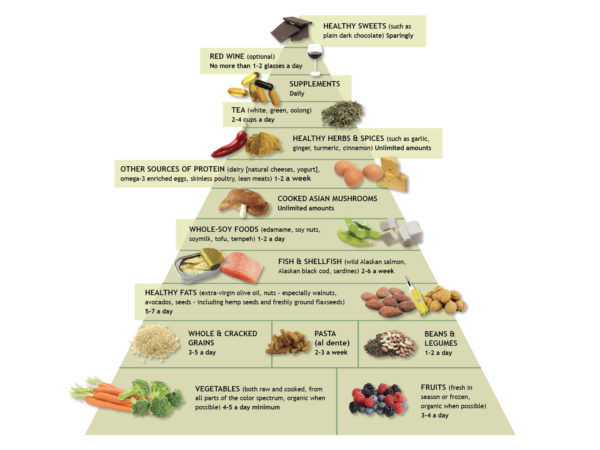
Dr. Weil on Healthy Aging for Healthy Eating - Dr. Weil on Healthy Aging for Nutrition - Want to change your diet? The Dr. Weil on Healthy Aging online guide is your anti-inflammatory diet headquarters. Start your free trial and get access to an exclusive version of Dr. Weil's Anti-Inflammatory Food Pyramid, hundreds of recipes, eating guides, and more.

Anthocyanins, the pigments that make blueberries blue, are the antioxidant compounds responsible for their health benefits. These delicious berries are also a good source of fiber - a half-cup serving gives you almost three grams. What's more, blueberries are a healthy low-glycemic-load carbohydrate, a good source of both vitamin C and ellagic acid, a natural compound that inhibits tumor growth in laboratory mice. And, like cranberries, blueberries contain a substance that can help prevent urinary tract infections by interfering with the attachment of bacteria to the bladder wall. Fresh, frozen and dried blueberries are all equally beneficial and heating or cooking blueberries won't affect the amount or quality of antioxidants they contain.

advertisement

Whether you cook them or not, when choosing blueberries, I would urge you to opt for organic ones even though they're more expensive than conventionally grown ones. It is true that conventionally grown blueberries rank toward the low end of the Environmental Working Group's list of fruits and vegetables that carry the greatest pesticide load (see www.ewg.org/sites/foodnews). However, after having talked with growers in Massachusetts, Michigan, and British Columbia, I am not reassured about the use of pesticides on conventionally grown blueberries. If you can't afford to buy organic ones, consider other fruits and vegetables that provide many of the same health benefits. Purple grapes, red cabbage, beets and plums all contain anthocyanins.

Andrew Weil, M.D.

Are you a blueberry fan? Click here to dish dessert in our discussion groups.
Creative Commons License Some Rights Reserved Creative Commons Copyright Notice
A portion of the original material created by Weil Lifestyle, LLC on DrWeil.com (specifically, all question and answer-type articles in the Dr. Weil Q&A Library) is licensed under a Creative Commons Attribution-Noncommercial-No Derivative Works 3.0 United States License.
advertisement
 
Copyright © 2010 Weil Lifestyle, LLC
Information on this web site is provided for informational purposes only and is not intended as a substitute for the advice provided by your physician or other healthcare professional. You should not use the information on this web site for diagnosing or treating a health problem or disease, or prescribing any medication or other treatment.