


Q & A Library


Print this page | Send to a friend | Sign up for free e-bulletins
 | Bookmark This Page

FREE E-Bulletins
Free HealthTips & Advice
Email


Bookmark and Share

Q
Do Drugs Cause Depression?

I suspected my mother's beta-blockers were a factor in her relatively sudden development of depression. I suggested she talk to her doctor about this, and he reluctantly halved her dosage. Her depression noticeably improved. Can these and other medications cause depression?

A
Answer (Published 8/14/2008)

Yes, beta-blockers can cause depression, and so can many other drugs. Beta-blockers lower blood pressure by blocking the effects of epinephrine, also called adrenaline. This hormone works by binding receptors throughout the body called beta receptors, and causes the heart to beat more quickly and forcefully, raising blood pressure. Beta-blockers counteract this and also help blood vessels relax to improve blood flow. Beta-blockers include acebutolol (Sectral), atenolol (Tenormin), metoprolol (Lopressor), nadolol (Corgard), pindolol (Visken), propranolol (Inderal) or timolol (Blocadren). These drugs are also used to treat irregular heart rhythm, heart failure, angina, heart attack, glaucoma, migraines, generalized anxiety disorder, an overactive thyroid and some types of tremors. And some performers use them to blunt performance anxiety ("stage fright").

Related Weil Products
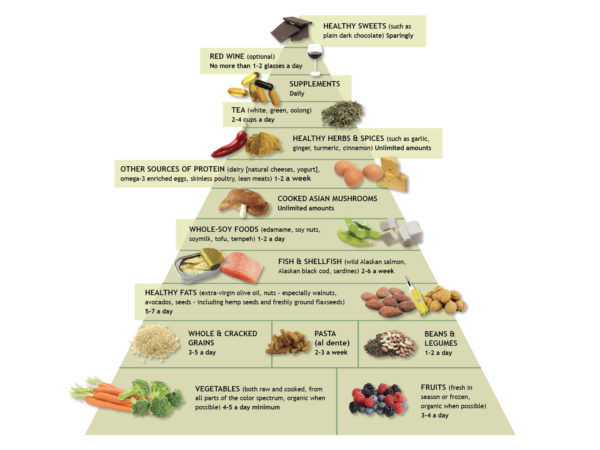
Dr. Weil on Healthy Aging - Your Online Guide to the Anti-Inflammatory Diet! - Everything you need to get started eating a healthful, satisfying diet is here - including eating and shopping guides, over 200 recipes, and an exclusive version of Dr. Weil's Anti-Inflammatory Food Pyramid! Start your 14-day free trial now - and start eating anti-inflammatory today!

Besides depression, possible side effects of beta-blockers are insomnia, cold hands and feet, fatigue, a slow heartbeat, worsening of asthma symptoms and, sometimes, impotence. Adjusting the dose may reduce or eliminate depression or other side effects. If not, switching to another drug for high blood pressure may be the answer.

advertisement

A wide range of other drugs is known to cause depression (particularly in older people). These include alcohol, Zovirax (for shingles and herpes), anticonvulsants (to treat seizures), antihistamines, barbiturates, benzodiazepines (for anxiety and insomnia), bromocriptine (for Parkinson's disease), calcium channel blockers (for high blood pressure, chest pain and some heart conditions), antabuse (for alcoholism), estrogens, certain antibiotics, statins (to lower cholesterol), accutane (for severe acne), opiods (for pain), Norplant (a contraceptive), and interferon alpha (to treat some types of cancer and hepatitis B). Occasionally even antidepressants can cause deeper depression in some individuals.

If you develop depression while taking these or other prescribed drugs, be sure to tell your physician right away. Symptoms of depression include feeling miserable or unhappy, losing interest in things that used to be pleasurable, a change in appetite, change in sleeping patterns, lack of concentration, lack of energy, and feeling run-down.

Andrew Weil, M.D.

Have you developed depression as a drug side-effect? Click here to share your story in our discussion groups.
Creative Commons License Some Rights Reserved Creative Commons Copyright Notice
A portion of the original material created by Weil Lifestyle, LLC on DrWeil.com (specifically, all question and answer-type articles in the Dr. Weil Q&A Library) is licensed under a Creative Commons Attribution-Noncommercial-No Derivative Works 3.0 United States License.
advertisement
 
Copyright © 2010 Weil Lifestyle, LLC
Information on this web site is provided for informational purposes only and is not intended as a substitute for the advice provided by your physician or other healthcare professional. You should not use the information on this web site for diagnosing or treating a health problem or disease, or prescribing any medication or other treatment.