


Q & A Library


Print this page | Send to a friend | Sign up for free e-bulletins
 | Bookmark This Page

FREE E-Bulletins
Free HealthTips & Advice
Email


Bookmark and Share

Q
A Useful Genetic Test?

What is the ApoE gene? I hear it predicts Alzheimer's disease and heart disease. I have a family history of both. Should I be tested?

A
Answer (Published 3/11/2008)

ApoE is short for apolipoprotein E. The ApoE gene provides the instructions for making this protein, which is responsible for transporting cholesterol through the bloodstream. There are at least three different versions of the gene: ApoE2, 3 and 4. But since you receive a version (allele) of the gene from each of your parents, your own version could be a combination of a 2 and a 3 (2/3 or E2/E3) or a 2 and a 4 (2/4 or E2/E4) and so on.

Related Weil Products
Dr. Weil's Vitamin Advisor for Your Body - Foods, herbs and drugs can all interact, sometimes in unexpected ways. Dr. Weil's Vitamin Advisor takes known interactions into account when developing recommendations, to help safeguard against adverse effects. Learn more, and get your free, personalized Dr. Weil's Vitamin Advisor recommendation today.

Having two copies of ApoE2 seems to increase the risk of premature vascular disease, while having one or two copies of ApoE4 is associated with an increased risk of late-onset Alzheimer's. Most people, about 62 percent of the U.S. population, carry ApoE3 genotype, which tells you nothing about your risk of either disease. That doesn't mean that you're safe - just that if you do get either disease, something other than your ApoE gene may be to blame.

ApoE genotyping is available. All that's required is having some blood drawn (no fasting beforehand is needed). But the test results won't tell you for sure that you will or won't get either disease or even the extent of your risk. You could have ApoE 2/2, signifying a higher than normal risk of premature vascular disease, but never develop it. Or you could develop the disease and not have the ApoE 2/2 alleles. Similarly, you could have ApoE4 alleles, indicating a higher risk of late onset Alzheimer's and never get the disease. With all these diseases, ApoE is not the only influence at work.

advertisement

Physicians may recommend ApoE genotyping to see if there's a genetic component to a cholesterol or triglyceride problem that hasn't responded to treatment. The test is sometimes used to help in diagnosis of late-onset Alzheimer's - it may show that the high-risk alleles are present in someone with dementia, strengthening medical suspicion that Alzheimer's is the problem. But these results alone are never diagnostic of the disease.

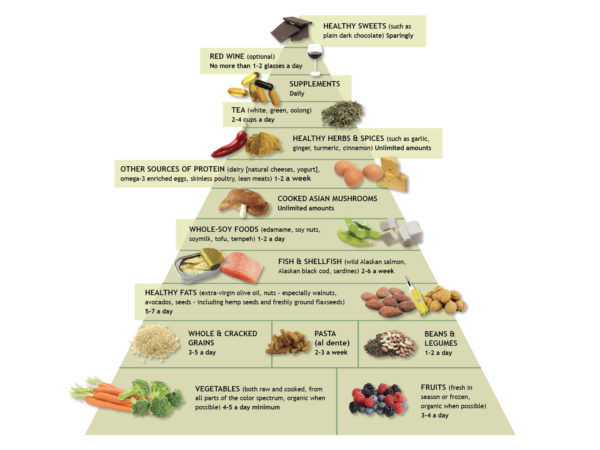
If you are tested and found to have an allele that indicates a high risk of Alzheimer's or heart disease, you may be able to change your odds through diet. Pamela McDonald, WHCNP, FA, FNP, an integrated nurse practitioner in San Francisco and a graduate of my Arizona Center for Integrative Medicine, has had success in reducing symptoms, like high cholesterol, by matching diet to a person's specific allele. Her book, The Apo E Gene Diet: A Breakthrough in Changing Cholesterol, Weight, Heart and Alzheimer's Disease Using the Body's Own Genes, describes nutritional plans for each ApoE genotype. I recommend it.

Andrew Weil, M.D.

Would you be tested for your ApoE genotype? Click here to state your case in our discussion groups.
Creative Commons License Some Rights Reserved Creative Commons Copyright Notice
A portion of the original material created by Weil Lifestyle, LLC on DrWeil.com (specifically, all question and answer-type articles in the Dr. Weil Q&A Library) is licensed under a Creative Commons Attribution-Noncommercial-No Derivative Works 3.0 United States License.
advertisement
 
Copyright © 2010 Weil Lifestyle, LLC
Information on this web site is provided for informational purposes only and is not intended as a substitute for the advice provided by your physician or other healthcare professional. You should not use the information on this web site for diagnosing or treating a health problem or disease, or prescribing any medication or other treatment.