

Q & A Library


Print this page | Send to a friend | Sign up for free e-bulletins
 | Bookmark This Page

FREE E-Bulletins
Free HealthTips & Advice
Email


Bookmark and Share

Q
Graviola: A Worthwhile Botanical Against Cancer?

I read about a South American herb called graviola, which supposedly boosts immunity and has anti-tumor properties. Are there any scientific studies supporting these claims?

A
Answer (Published 11/1/2007)

I've seen Internet hype on graviola, which is being widely promoted as a cancer-fighting herb. Some Web sites claim that it is 10,000 times stronger than the chemotherapy drug Adriamycin, and that it is effective against prostate, lung, breast, colon and pancreatic cancers. None of this is true.

Related Weil Products
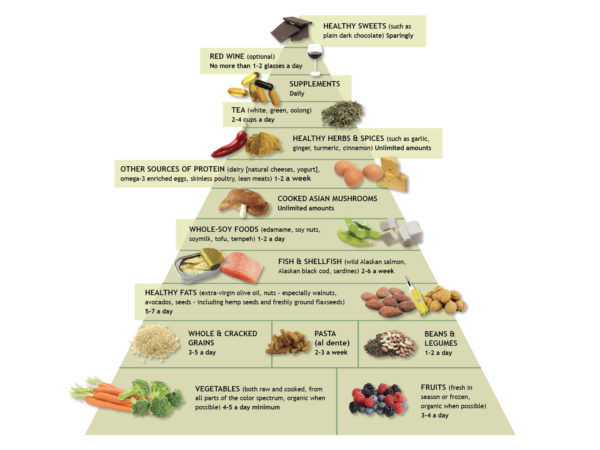
Dr. Weil on Healthy Aging for Cancer Support - Dr. Weil on Healthy Aging - Do you or a loved one have cancer? The Dr. Weil on Healthy Aging online guide has simple, effective preventive health information and tools including an exclusive version of Dr. Weil's Anti-Inflammatory Food Pyramid. Join today and get 14 days free!

I asked Tieraona Low Dog, M.D., director of education at the Arizona Center for Integrative Medicine here at the University of Arizona, about graviola. Dr. Low Dog, an expert in botanical medicine, told me that it is the common name for Annona reticulata, also known as custard apple, a tree that grows in South America and the Caribbean islands and is prized by locals for its delicious fruit and medicinal properties. She explained that the unripe fruit is used traditionally to treat diarrhea and dysentery. The leaves are taken internally to eliminate worms and other parasites and are also applied topically for poorly healing wounds. The root bark is used to reduce fever.

The idea that graviola is an effective cancer fighter comes from research at Purdue University's School of Pharmacy and Pharmaceutical Sciences on the active components of the tree, unique substances known as annonaceous acetogenins. The Purdue investigators found them to be potent inhibitors of cancer cells while leaving normal cells alone. They also found the compounds to be effective against drug-resistant cancer cells.

advertisement

But these were in vitro results - that is, the results of adding the annona derivatives to cancer cells growing in test tubes. This is a long way from clinical trials to determine the safety and efficacy of these compounds in people with cancer. In fact, I have found no human studies at all of graviola, for treatment of cancer or anything else. We do not even have basic safety data on graviola extracts. What's more, there is no way to tell whether commercially available graviola contains any of the compounds studied at Purdue. Indeed, the compounds used in the test tube studies didn't come from the custard apple tree at all, but from the leaves of annona glabra, a related tree that grows in Florida and produces a fruit called pond apple.

Dr. Low Dog says she wouldn't take or recommend graviola or its extracts as a dietary supplement. I agree.

Andrew Weil, M.D.

What's your take on cancer treatments promoted on the internet? Click here to air your views in our discussion groups.
Creative Commons License Some Rights Reserved Creative Commons Copyright Notice
A portion of the original material created by Weil Lifestyle, LLC on DrWeil.com (specifically, all question and answer-type articles in the Dr. Weil Q&A Library) is licensed under a Creative Commons Attribution-Noncommercial-No Derivative Works 3.0 United States License.
advertisement
 
Copyright © 2010 Weil Lifestyle, LLC
Information on this web site is provided for informational purposes only and is not intended as a substitute for the advice provided by your physician or other healthcare professional. You should not use the information on this web site for diagnosing or treating a health problem or disease, or prescribing any medication or other treatment.