

Sponsored by Dr. Weil's Vitamin Advisor.
What are antioxidants?
Antioxidants are special class of micronutrients (the term "micronutrient" means that only miniscule amounts are required to provide essential support for vital metabolic functions). Antioxidants block harmful chemical reactions caused by oxidation - the destructive effect of oxygen and other oxidizing agents on the molecular components of cells. Vitamin C, vitamin E, selenium, and carotenoids are examples of antioxidants found naturally in many fruits and vegetables. Other antioxidants include catechins, found in green tea; and resveratrol, found in red wine.
Why are they necessary?
Oxidation refers to the process in which an atom or molecule loses electrons. It is an essential part of the conversion of food into energy, but can also be damaging, as it creates substances known as free radicals that can set off chain reactions that ultimately damage or kill cells. Consequently, plants and animals make use of a variety of antioxidants - compounds that inhibit oxidation by donating electrons to unstable atoms - to limit this damage. Cumulative damage due to oxidation probably accounts for many of the degenerative changes of aging and many age-related diseases. Incorporating antioxidant-rich foods into the diet at a young age and continuing throughout life may help to promote general health and slow the development of several age-related diseases.
How much, and what kind, does an adult need?
Dr. Weil recommends that adults take four antioxidants in supplement form daily: 500 mg of vitamin C, 400 IU of natural vitamin E (mixed tocopherols or at least 80 mg of mixed tocopherols and tocotrienols), 200 micrograms of selenium, and 15,000 IU of mixed carotenoids (including lycopene and beta-carotene, a precursor to vitamin A).
How much does a child need?
Dr. Weil recommends waiting until a child is four years old before considering giving him or her supplemental antioxidants. Children between the ages of four and 12 should get no more than 50 percent of his adult recommendations for antioxidants. Children older than 13 should take the dosage that Dr. Weil recommends for adults. It is important to talk to your child's pediatrician before starting your child on antioxidant supplements.
How do you get enough from foods?
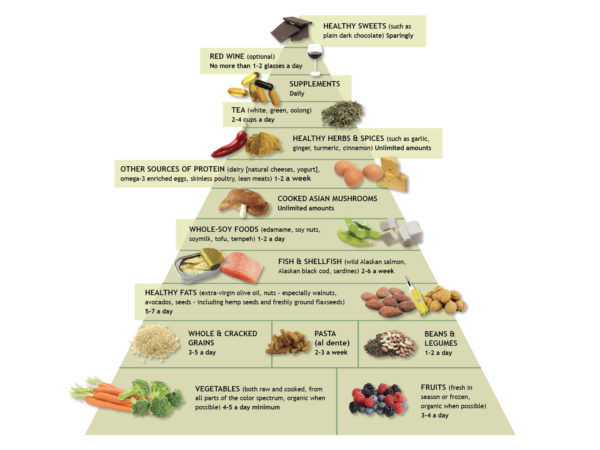
Eating a wide variety of whole foods, especially fruits and vegetables such as tomatoes, watermelon, papayas, blueberries, carrots, and leafy greens, will provide a wide range of beneficial antioxidants. Regular consumption of green tea is also beneficial as it provides antioxidants known as catechins. However, it may not always be possible even for those who are conscientious about healthy eating to consume the optimum amounts on a daily basis. Consequently, Dr. Weil recommends incorporating his recommended antioxidant-supplement combination to fill any gaps that might occur in the daily diet.
Are there any risks associated with consuming too much?
Consuming antioxidants at levels far higher than RDA specifications of the individual micronutrients is not recommended, as excessive dosages may have pro-oxidant effects. When taking antioxidants, especially if you're taking several products and eat vitamin fortified foods, be mindful of selenium - doses above 400 mcg a day may carry health risks leading to a condition called selenosis. Symptoms of selenosis include hair loss, gastrointestinal upsets, fatigue, irritability and even cirrhosis of the liver in sufficiently high doses. Taking high doses of beta-carotene, a carotenoid, has been shown to increase the orange pigmentation of skin. This is not harmful and often disappears after reducing beta-carotene intake for a few days. Smokers, former smokers, and those who are or have been exposed to asbestos may have an increased risk of lung cancer from supplementing with isolated beta-carotene. Dr. Weil does not recommend taking isolated beta carotene as a supplement; instead, he recommends a using a supplement product that provides mixed carotenoids, and that includes beta-carotene.
Are there any other special considerations?
- It is best to take antioxidant supplements with meals to enhance absorption and to reduce the risk of an upset stomach.
- Selenium and vitamin E facilitate each other's absorption and it is recommended to take them together.
- Chocolate also contains antioxidants (polyphenols) similar to those found in red wine and green tea. Dr. Weil recommends high quality dark chocolate that consists of at least 70 percent cocoa solids; eat an ounce or so a few times a week.
- Strive for a variety of colorful fruits and vegetables in your diet, because varied colors indicate a healthful variety of antioxidants. For example, red fruits and vegetables are rich in a powerful antioxidant known as lycopene; orange and yellow varieties contain abundant beta-carotene; blue and purple produce is typically an excellent source of lutein and zeaxanthin, and so on.
Updated by: Andrew Weil, M.D., and Brian Becker, M.D., on Sept. 4, 2012
advertisement
Antioxidants Are Essential For Good Health
Everyone's dietary needs are different based on a number of factors including lifestyle, diet, medications and more. Most everyone can benefit from a high-quality, daily antioxidant. Take Dr. Weil's Vitamin Advisor and find out if an antioxidant is right for you. This 4-step questionnaire requires just minutes to complete, and generates a free, no-obligation vitamin and nutritional supplement recommendation that is personalized to meet your unique nutritional needs.