

advertisement


Vitamin Library


Print this page | Send to a friend | Sign up for free e-bulletins
 | Bookmark This Page

Coenzyme Q10 (CoQ10)

heart care

Sponsored by Dr. Weil's Vitamin Advisor.

What is CoQ10?
Coenzyme Q10, also known as ubiquinone and abbreviated as CoQ10, is a natural antioxidant synthesized by the body, found in many foods, and available as a supplement. In general, coenzymes support enzymes in their various biochemical functions. CoQ10 is a vital participant in the chain of chemical reactions that generate energy within cells for metabolism. It is found in every cell of the body (the name ubiquinone stems from its ubiquity), but in higher concentrations in organs with higher energy requirements such as the kidneys, liver, and heart.

Many medical studies demonstrate supplemental CoQ10's beneficial effects, most of which stem from its vital role in oxygen utilization and energy production, particularly in heart muscle cells.

Why is it necessary?
Coenzyme Q10 is an important nutrient used for energy production by cells and as an antioxidant to protect cells. Studies have indicated that CoQ10 may support healthy functioning of heart muscle, protect LDL ("bad") cholesterol from oxidation, help to maintain the integrity of blood vessels, and even reduce the risk of vessel rupture due to plaque accumulation. CoQ10 may also improve survival rates in breast cancer patients, increase sperm motility in infertile men, prevent and treat migraine headaches, and slow the progression of dementia. There is also evidence that CoQ10 can help lower blood pressure in at least some populations.

What are the signs of a deficiency?
Studies have associated significantly decreased levels of CoQ10 with a wide variety of diseases in both animals and humans. Since this enzyme is found in high concentration in heart muscle cells, deficiency has been associated with cardiovascular problems such as angina, arrhythmia, heart failure and high blood pressure. Problems with blood sugar regulation, gingival (gum) health, and stomach ulcers have also been associated with CoQ10 deficiency. Those who are taking statins to lower cholesterol are at particular risk for deficiency, because not only do statins reduce cholesterol levels, but they also block CoQ10 synthesis in the body. Low CoQ10 levels in patients on statins can contribute to the common side effects of statin therapy such as fatigue and aching joints and muscles.

How much, and what kind, does an adult need?
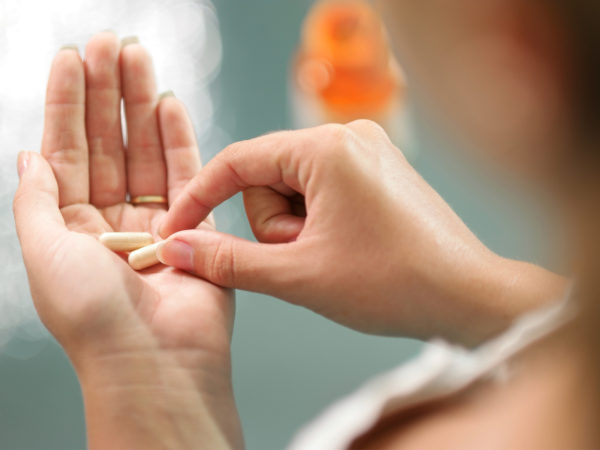
There is no official Daily Value recommendation, but Dr. Weil suggests at least 90 to 120 mg of supplemental CoQ10 for any adult with a family history of heart problems or who is at increased risk for cardiovascular disease. This dosage is also appropriate for otherwise healthy men and women as a preventive measure and to help maintain a healthy cardiovascular system. CoQ10 is fat-soluble, so take the supplement with a meal containing fat for best absorption.

How much does a child need?
Dr. Weil suggests consulting with your child's pediatrician before starting him or her on CoQ10.

How do you get enough from foods?
Although the body is capable of synthesizing CoQ10, Dr. Weil believes that adding foods high in CoQ10 to the diet and taking a daily supplement is advisable for the at-risk populations indicated above. A typical American diet will include approximately 10 mg of CoQ10 daily, so supplementation is usually necessary to reach the amounts that Dr. Weil regards as optimal. Foods such as fish and meats, and oils from soybean, sesame, and rapeseed (canola) are good dietary sources.

Are there any risks associated with too much?
There is limited research on the toxicity of CoQ10, but preliminary evidence indicates that supplemental doses of up to 1,200 mg a day may be beneficial for those with certain health conditions, especially Parkinson's disease, with no known side-effects. Some studies have found high daily dosages safe up to 3,600 mg, however gastrointestinal discomfort was reported with these high doses.

Are there any other special considerations?

  1. CoQ10 is being used in research for improving the immune function of people with HIV or AIDS.
  2. More research is needed, but CoQ10 seems to improve muscular dystrophy patients' exercise capacity, heart function, and overall quality of life.
  3. There are preliminary indications that CoQ10 may slow the progression of dementia in Alzheimer's patients.

advertisement

Is coenzyme Q10 right for you?
Everyone's dietary needs are different based on a number of factors including lifestyle, diet, medications and more. To find out if coenzyme Q10 (CoQ10) is right for you, take Dr. Weil's Vitamin Advisor. This 4-step questionnaire requires just minutes to complete, and generates a free, no-obligation vitamin and nutritional supplement recommendation that is personalized to meet your unique nutritional needs.

Dr. Weil's Vitamin Advisor
Receive Your FREE Personalized Vitamin Recommendation & Supplement Plan Today!

Free Vitamin Recommendation
Let Dr. Weil customize a free vitamin & supplement plan for you. Take the Vitamin Advisor questionnaire today!

Dr. Weil's Spontaneous Happiness
Based on his new book, this online
plan helps chart your 8-week path to
optimum emotional well-being.

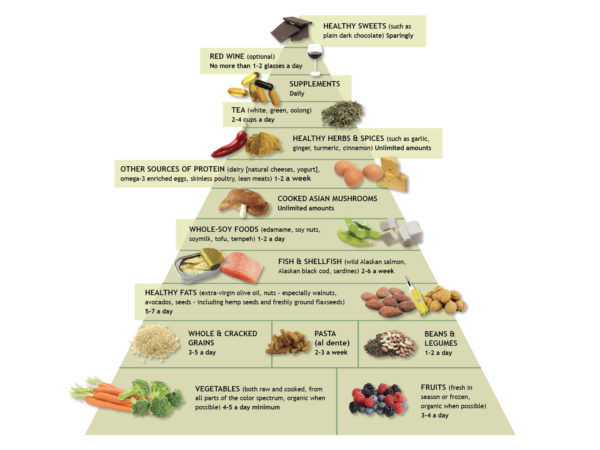
Dr. Weil's Anti-Inflammatory Diet Food Pyramid
Our interactive tool can help improve overall health through diet.

Dr. Weil on Healthy Aging
Your Online Guide to the Anti-Inflammatory Diet. Start eating for your health - begin your free trial now.

Dr. Weil's Optimum Health Plan
Your 8-week plan to wellness.
Begin your journey today!
 

Dr. Weil's Head-to-Toe
Wellness Guide

Your guide to natural health.
Use the Wellness Guide today!

Condition Care Guide
Learn about health conditions from acne to vertigo, and Dr. Weil's view of the best treatment options for each.

Healthy Recipes
Discover a treasure trove of healthy, healing foods and creative, delicious ways to prepare them.

Q&A Library
Over 2,000 questions from you
and their corresponding answers
from Dr. Weil.

Vitamin Library
Supplement your knowledge within Dr. Weil's vitamin compendium. Learn why they are necessary and more.

 
Copyright © 2012 Weil Lifestyle, LLC
Information on this web site is provided for informational purposes only and is not intended as a substitute for the advice provided by your physician or other healthcare professional. You should not use the information on this web site for diagnosing or treating a health problem or disease, or prescribing any medication or other treatment.

Ad Choice
Advertising Notice

This Site and third parties who place advertisements on this Site may collect and use information about your visits to this Site and other websites in order to provide advertisements about goods and services of interest to you. If you would like to obtain more information about these advertising practices and to make choices about online behavioral advertising, please click here