


advertisement


Vitamin Library


Print this page | Send to a friend | Sign up for free e-bulletins
 | Bookmark This Page

Fish Oil and Omega-3

Sponsored by Dr. Weil's Vitamin Advisor.

What is fish oil?
Fish oil is a rich source of the two essential omega-3 fatty acids known as EPA (eicosapentaenoic acid) and DHA (docosahexaenoic acid). It is found in the fatty tissues of cold water, oily fish. It is also available in supplement form for those who don't eat fish.

Why is it necessary?
Fish oil, and omega-3 fatty acids in particular, help to protect mental and physical health. EPA supports heart health and DHA is a constituent of membranes of nerve cells in the brain and is thought to play an important role in normal brain development and function. Research indicates omega-3s down regulate inflammation, and may help reduce the risk and symptoms of a variety of disorders influenced by inflammation, including heart attack, stroke, several forms of cancer and auto-immune diseases like rheumatoid arthritis. People with high cholesterol, diabetes, symptoms of PMS, coronary artery disease, breast cancer, memory loss, depression, attention deficit hyperactivity disorder (ADHD), insulin resistance, or rheumatoid arthritis may also benefit from the omega-3 fatty acids found in fish oil.

What are the signs of a deficiency?
The average American diet is lacking in omega-3's. Low levels of omega-3 fatty acids may play a role in the health conditions noted above, so the development of any of those conditions may indicate a deficiency. Other signs of possible deficiency include excessive thirst, frequent urination, and dry hair and skin. 

How much, and what kind, does an adult need?
Dr. Weil recommends eating oily fleshed, wild caught, cold water fish 2-3 times per week. If you use fish oil capsules, he recommends taking two grams daily of a brand that contains both EPA and DHA. When choosing a supplement, look for one derived from molecularly distilled fish oils - these are naturally high in both EPA and DHA and low in contaminants. Also choose a supplement brand that has been independently tested and guaranteed to be free of heavy metals such as mercury and lead, and other environmental toxins including polychlorinated biphenyls, also known as PCBs.

How much does a child need?
Fish oil has been used at one to three grams daily to help alleviate the symptoms of ADHD in children. Effective doses are not clearly established, so consult your pediatrician before giving children fish oil supplements.

How do you get enough from foods?
Oily fleshed, cold water fish such as wild Alaskan salmon, mackerel, sardines, herring and black cod are the best sources of fish oil.

Are there any risks associated with too much?
Very large intakes of fish oil/omega-3 fatty acids (termed "Eskimo amounts" by the National Institutes of Health, referring to diets that consist almost exclusively of fish)  may increase the risk of hemorrhagic stroke, and have been associated with nosebleed and blood in the urine.

Are there any other special considerations?
Because they can affect blood clotting, avoid fish oil supplements if you're taking any anticoagulant drugs such as Coumadin (warfarin), have had a hemorrhagic stroke, or are scheduled for surgery. People with allergies to fish should avoid fish-derived omega-3 capsules. Fish meat may contain mercury, so pregnant and breastfeeding women and children should take care to eat species of fish that are low on the food chain and relatively free of contaminants.


advertisement

Is omega-3 right for you?
Everyone's dietary needs are different based on a number of factors including lifestyle, diet, medications and more. To find out if omega-3 is right for you, take Dr. Weil's Vitamin Advisor. This 4-step questionnaire requires just minutes to complete, and generates a free, no-obligation vitamin and nutritional supplement recommendation that is personalized to meet your unique nutritional needs.

Dr. Weil's Vitamin Advisor
Receive Your FREE Personalized Vitamin Recommendation & Supplement Plan Today!

Free Vitamin Recommendation
Let Dr. Weil customize a free vitamin & supplement plan for you. Take the Vitamin Advisor questionnaire today!

Dr. Weil's Spontaneous Happiness
Based on his new book, this online
plan helps chart your 8-week path to
optimum emotional well-being.

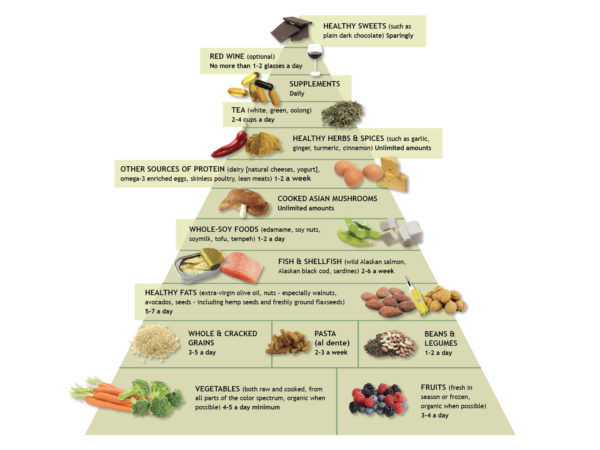
Dr. Weil's Anti-Inflammatory Diet Food Pyramid
Our interactive tool can help improve overall health through diet.

Dr. Weil on Healthy Aging
Your Online Guide to the Anti-Inflammatory Diet. Start eating for your health - begin your free trial now.

Dr. Weil's Optimum Health Plan
Your 8-week plan to wellness.
Begin your journey today!
 

Dr. Weil's Head-to-Toe
Wellness Guide

Your guide to natural health.
Use the Wellness Guide today!

Condition Care Guide
Learn about health conditions from acne to vertigo, and Dr. Weil's view of the best treatment options for each.

Healthy Recipes
Discover a treasure trove of healthy, healing foods and creative, delicious ways to prepare them.

Q&A Library
Over 2,000 questions from you
and their corresponding answers
from Dr. Weil.

Vitamin Library
Supplement your knowledge within Dr. Weil's vitamin compendium. Learn why they are necessary and more.

 
Copyright © 2012 Weil Lifestyle, LLC
Information on this web site is provided for informational purposes only and is not intended as a substitute for the advice provided by your physician or other healthcare professional. You should not use the information on this web site for diagnosing or treating a health problem or disease, or prescribing any medication or other treatment.