

What is high cholesterol?
High cholesterol is a well-known risk factor in heart disease, the number one killer of both women and men in the United States, with more than a million heart attacks and about a half million deaths annually. Cholesterol is a waxy, fat-like substance that comes from the diet, but is also made in the body by the liver, and is a vital component of cell membranes. The body also uses cholesterol to produce hormones and vitamin D.
Cholesterol is carried through the bloodstream attached to two different compounds called lipoproteins: low-density lipoproteins (LDL) and high-density lipoproteins (HDL). LDL is commonly known as "bad cholesterol"; it transports cholesterol from the liver throughout the body, making it available, but potentially allowing it to be deposited in artery walls as well. HDL is commonly known as "good cholesterol"; it picks up cholesterol from the blood and delivers it to cells that use it, or back to the liver to be recycled or eliminated through the GI tract. The body needs cholesterol to function, but too much of it in the blood, or too much of the wrong kind, can add up to trouble.
What are the symptoms and how is it diagnosed?
High cholesterol doesn't cause overt symptoms. Many people are unaware of having elevated cholesterol levels and how it may influence their cardiac risk. To complicate matters, high cholesterol is not the only predictor of cardiovascular events such as heart attack and stroke. In fact, somewhere between 30-50 percent of first heart attacks occur in people with normal cholesterol levels. Obviously, there are other important risk factors for heart disease that need to be taken into account, but it is essential to test and monitor cholesterol levels, especially for anyone with a family history of heart disease. Lowering high cholesterol does seem to lessen the risk for developing heart disease, and reduces the chance of a heart attack or dying of heart problems if you already have them. However, some research has indicated that all-cause mortality (that is, dying from any disease, not just heart disease) actually increases when cholesterol is lowered in those over age 65. More research is needed.
Everyone over the age of 20 should have their cholesterol measured at least once every 5 years, using a blood test called a "fasting lipid profile." This is done after fasting for at least eight hours, and gives values for total cholesterol, LDL, HDL and triglycerides, another form of fat in the blood. A total cholesterol less than 200 mg/dL is considered healthy as is an HDL greater than 40 mg/dl, an LDL less than 130 mg/dL and a triglyceride level below 150 mg/dL. Although, if you already have heart disease and other cardiac risk factors, your physician might want to bring these values lower.
What are the causes?
Two main factors - genetics and lifestyle - combine in individuals to create high levels of cholesterol in the blood. Those who are overweight tend to have increased cholesterol. Eating a diet rich in cholesterol and unhealthy fats can abnormally raise blood levels. Cholesterol-rich foods such as egg yolks, beef and shellfish are part of the problem, but don't seem to be as unhealthy as eating saturated fats in high quantities or trans fats in any amount.
The richest sources of saturated fat in the diet are dairy foods (except the fat-free versions), especially whole milk, cheese, butter and cream. Red meat is also high in saturated fat, especially if cows are fed corn and grain instead of grass. Fatty portions of pork-sausage and bacon, skin-on turkey and chicken, and duck all contain high levels of saturated fat. Trans fatty acids (TFAs) are mostly found in animal fats and vegetable oils, and are also created in the hydrogenation process that makes fats more stable, giving them a longer shelf-life. You will find TFAs anywhere "partially hydrogenated oil" appears in the ingredient list on food labels, as well as in many margarines and most processed foods. Snack foods such as chips, crackers and cookies, and the oils used to cook fast-food [delete], doughnuts and movie popcorn are also sources of these unhealthy fats.
In addition to diet, LDL cholesterol levels appear to be heavily dependent on genetic factors. LDL comes in two main forms - small, dense particles and large, fluffy ones, and genetics determine the distribution and size of LDL particles. It's the small ones that seem to be the most dangerous - because their size predisposes them to get stuck in coronary arteries more so than the big, fluffy ones, which just roll on through. Anyone at increased risk of heart disease should also have tests for LDL particle size in addition to the basic lipid profile. Best results show low numbers of LDL particles overall, and that they are big and fluffy
A different cholesterol problem is present when one shows a tendency towards low HDL cholesterol and high triglycerides. This pattern, sometimes called “Syndrome X,” is associated with insulin resistance. It is frequently influenced by diet and lifestyle, but is also genetically driven and appears to affect at least 30 percent of the population. It carries with it an increased risk of high blood pressure and diabetes as well as heart disease. Dietary and nutritional supplement treatments are often quite effective in treating this pattern, but are a bit different from those for high total and LDL cholesterol levels.
What is the conventional treatment?
High cholesterol is treated conventionally with lifestyle changes, including a cholesterol-lowing diet, physical activity and weight management. For patients seen in busy medical practices, however, this approach is frequently difficult to fully implement and utilize. If lifestyle changes are not effective, drug therapy is often recommended. Statin drugs are commonly used to lower cholesterol and protect against heart disease and heart attacks. They work by blocking an enzyme that is necessary for the synthesis of cholesterol in the liver. They can be very effective in this regard, and there is growing medical enthusiasm for them because they also seem to provide antioxidant and anti-inflammatory properties. These drugs can reduce plaque formation in coronary arteries by preventing the oxidation of LDL ("bad") cholesterol, and their anti-inflammatory properties may help prevent plaque from rupturing. Debris from a ruptured plaque can block smaller arteries down-stream, preventing the free flow of blood to the heart and resulting in a heart attack.
Statins should always be taken under the supervision of a physician. Despite their benefits, they do have adverse effects. The most serious side effect is [delete] liver toxicity. Physicians need to monitor liver function carefully in patients with liver disease of any kind. Other, less serious side effects [delete] include stomach upset, gas, constipation and abdominal pain or cramping, which can disappear over time. Muscle pain and weakness is also a side effect, and can be a sign of a severe condition called myositis. If this happens, a blood test to measure muscle enzymes can indicate the extent of the problem and help determine whether further treatment needs to be done, usually to protect kidney function. In this case, statins are discontinued.
What therapies does Dr. Weil recommend for high cholesterol?
To improve your cholesterol profile, try the following dietary changes, supplement recommendations and more.
Dietary changes:
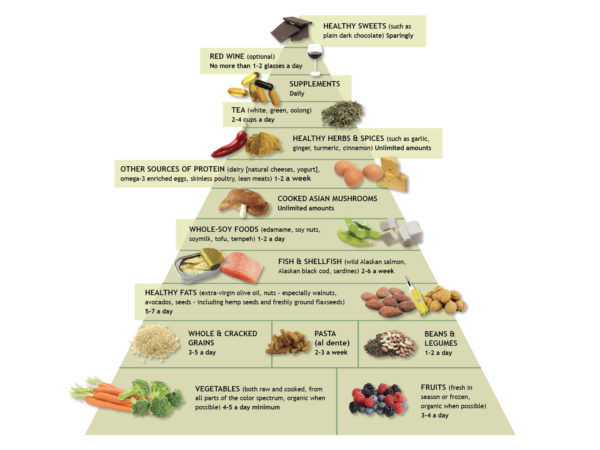
- In general, follow my anti-inflammatory diet.
- Eat some healthy nuts every day.Nuts, especially almonds, walnuts and cashews, contain heart-healthy monounsaturated fat.
- Substitute soy protein for animal protein.The protein in whole soy foods has been shown to lower cholesterol levels. Try to incorporate two servings a day into your meals. Choose from tofu, tempeh, soy milk, whole soy beans and roasted soy nuts.
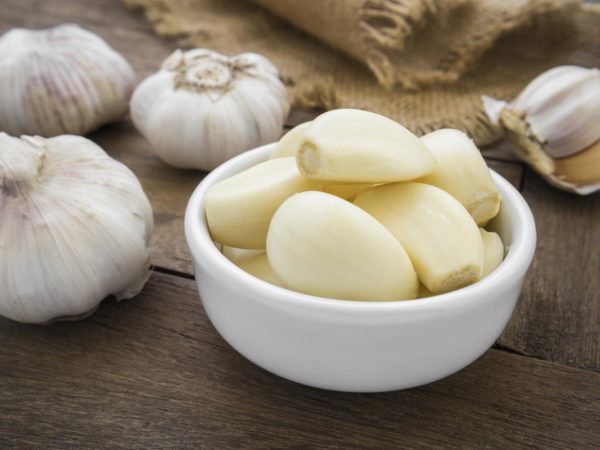
- Use fresh garlic regularly in your meals. Garlic has been shown to lower both cholesterol levels and blood pressure - and it tastes wonderful, too. Use one or two raw or lightly cooked cloves a day.
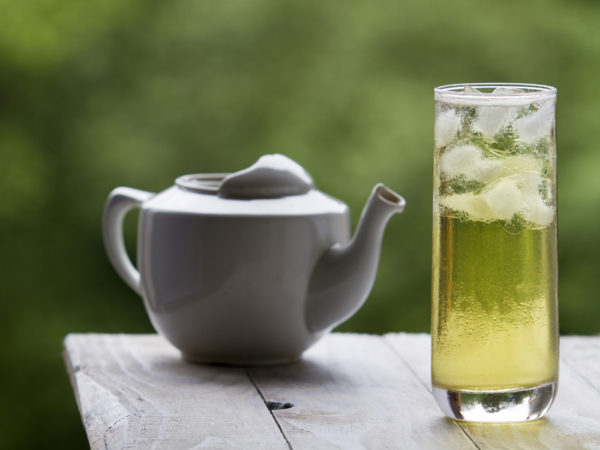
- Drink green tea daily. The antioxidants in green tea help lower cholesterol and prevent the LDL cholesterol in your blood from oxidizing.
- Eat plenty of soluble fiber. Soluble fiber exerts a powerful cholesterol-lowering effect by promoting the elimination of cholesterol through the gastrointestinal tract. The best sources of soluble fiber are beans and lentils, apples, citrus fruits, oats, barley, peas, carrots and freshly ground flax seed.
- Limit refined carbohydrates. A diet full of cookies, cakes, crackers, fluffy breads, chips and sodas can increase triglyceride levels and lower HDL.
- Reduce the amount of saturated fat you eat.
- Avoid trans-fat in any form.These heart damaging fats are pro-inflammatory and can reduce HDL levels and raise LDL levels. If you find "partially hydrogenated oil" listed anywhere in the ingredient list on food labels, find a healthier, low cholesterol [delete] substitute. There are many products available on the market today that are free from trans-fat.
- Exercise: Daily aerobic exercise is one of the few proven methods to help increase HDL levels.
- Mind/Body: Emotional stress may trigger the body to release fat into the bloodstream, raising cholesterol levels. Practice daily breathing exercises and a stress-reduction technique that works for you, such as yoga, meditation, guided imagery or tai chi.
- Traditional Chinese Medicine: See Red Rice Yeast below
Supplements:
- Coenzyme Q10(CoQ10): CoQ10 is a powerful antioxidant that has been shown to be beneficial for heart health. It prevents the oxidation of LDL cholesterol and helps increase the aerobic capacity of mitochondria in the heart cells, which is where energy metabolism occurs. CoQ10 may also help lower blood pressure. Dr. Weil recommends that anyone taking statins or red rice yeast extract supplements for cholesterol control should also take 90 - 120 mg of CoQ10 every day. Statin based drugs inhibit the body's natural synthesis of CoQ10, which is needed for formation of ATP, our bodies' energy currency. (That may account for the muscle pain that some people experience.)
- Fish oil: Fish oil contains an abundance of essential fatty acids known as omega-3s. Daily fish oil is an effective preventive strategy against heart disease, and has been shown to lower triglyceride (blood fat) levels, minimize inflammation and clotting, and increase HDL (“good”) cholesterol.
- Red rice yeast: Of all the natural supplements available to help lower cholesterol, red rice yeast extracts are by far the most effective. Red rice yeast (Monascus purpureus) has a long history of use in China as a natural food coloring and healthful ingredient. It is a source of naturally occurring statins, and because it delivers a mix of those compounds rather than a single molecule, it is much less likely to cause the side effects that sometimes occur with the pharmaceutical versions. Still, red rice yeast supplements can cause statin side effects in sensitive people, but the incidence is significantly less than with the purified prescription compounds.
Also:
- Lose weight. Even a modest amount of weight loss can lower cholesterol levels.
- Don't smoke. Smoking is pro-inflammatory, and a risk factor for heart disease all by itself, but can also significantly lower HDL cholesterol.