


Supplements & Herbs


Print this page | Send to a friend | Sign up for free e-bulletins
 | Bookmark This Page

FREE E-Bulletins
Free HealthTips & Advice
Email


Digg!


Vitamin B3 for Heart Health

Sponsored by Dr. Weil's Vitamin Advisor.

What is vitamin B3?
Vitamin B3, also known as niacin, is actually made up of niacin (nicotinic acid) and niacinamide. It is a water-soluble nutrient that is part of the B vitamin family. B vitamins help to support adrenal function, to calm and maintain a healthy nervous system, and are necessary for key metabolic processes. Niacin is essential for the metabolism of carbohydrates and fats.

Why is vitamin B3 necessary?

advertisement
Niacin's reduces the risk of heart disease and lowers harmful cholesterol while raising good cholesterol. Niacin may also reduce the incidence of asthma-induced wheezing, and may be helpful in treating or preventing atherosclerosis, second heart attacks, Alzheimer's disease and osteoarthritis.

What are the signs of a deficiency?
Pellagra is a nutritional disease that develops due to insufficient dietary amounts of vitamin B3. Symptoms of pellagra include skin disease, diarrhea, dementia and depression.

How much, and what kind, does an adult need?
According to the National Institutes of Health (NIH), the U.S. Recommended Daily Allowance (RDA) for adults is between 16 and 18 mg daily, with a maximum intake of 35 mg daily. It is recommended that pregnant or breastfeeding women avoid supplemental niacin. Dr. Weil recommends taking 50 mg of B3 as niacinamide as part of a B-complex that contains a full spectrum of B vitamins, including thiamine, B12 and riboflavin.

How much does a child need?
According to the NIH, not enough scientific evidence is available to recommend the safe use of supplemental niacin or niacinamide in children. Dr. Weil recommends 20 mg (as niacinimide) as part of a daily children's multivitamin, but you should always consult with your pediatrician before beginning any supplement.

How do you get enough vitamin B3 from foods?
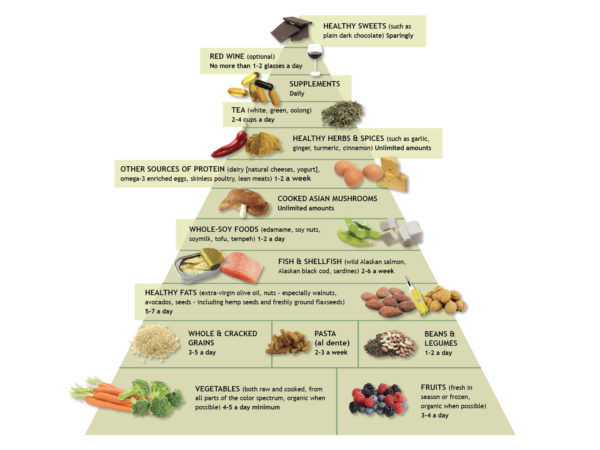
Salmon and tuna, eggs, leafy vegetables, broccoli, tomatoes, carrots, sweet potatoes, avocados, nuts, whole grains, legumes and mushrooms are good dietary sources.

Are there any risks associated with too much vitamin B3?
It is difficult to get too much niacin from food sources, but you can get too much niacin when supplementing. Reactions range from flushing, itching, nervousness and headaches to intestinal cramps, nausea, and diarrhea. High doses of niacin can cause liver toxicity; doses in excess of 3 grams a day should be used only under careful medical supervision (for example, in the treatment of high cholesterol). Gout, abnormal heart rhythms and worsening of stomach ulcers have also been reported with very high doses of supplemental vitamin B3.

Find out if B vitamins are right for you – get your free personalized recommendation from
Dr. Weil's Vitamin Advisor.

advertisement
 
Copyright © 2008 Weil Lifestyle, LLC
Information on this web site is provided for informational purposes only and is not intended as a substitute for the advice provided by your physician or other healthcare professional. You should not use the information on this web site for diagnosing or treating a health problem or disease, or prescribing any medication or other treatment.