



Supplements & Remedies
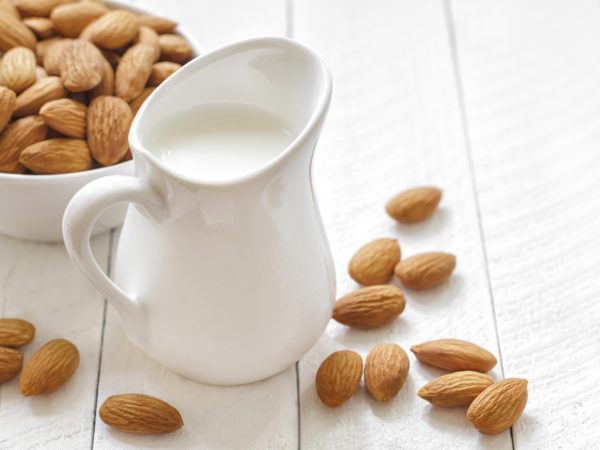
Am I Iodine Deficient?
I drink a lot of non-dairy milk and have heard that it contains too little iodine. Am I at…

Supplements & Remedies
An Antioxidant In Beer?
I am hearing more about an antioxidant called xanthohumol, derived from hops used in beer…
Supplements & Remedies
An Antioxidant Update?
You used to recommend taking 1,000-2,000 mg of vitamin C, three times a day. Now…
Supplements & Remedies
Are Ayurvedic Supplements Dangerous?
I heard about heavy metals contaminating some ayurvedic supplements. What’s the…

Supplements & Remedies
Are Blood Thinning Supplements Dangerous?
It seems that lots of things that are good for you are also natural blood thinners. How do…
Supplements & Remedies
Are Fish Oil Capsules and Fish Oil Supplements Safe?
Are fish oil supplements safe? Do they contain heavy metals and other toxins?
Supplements & Remedies
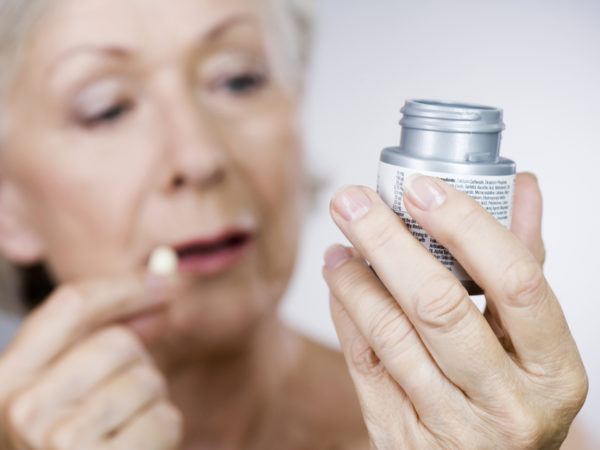
Are Supplements Really Harmful to Women?
Can you tell me what you think about the recent study showing that middle- aged women who…
Supplements & Remedies
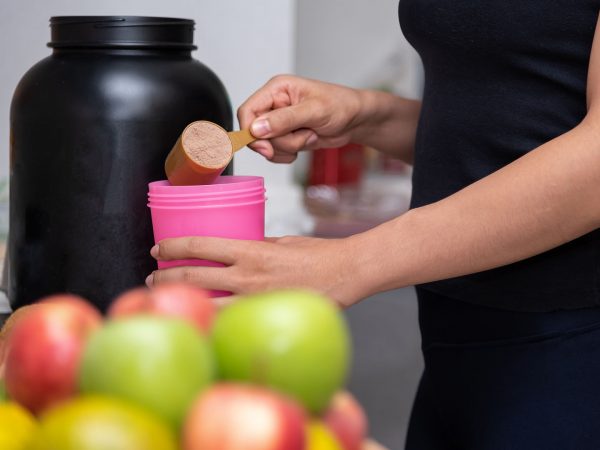
Are There Side Effects To Creatine?
I see creatine in a lot of pre-workout formulas and protein powders — should I be…