


Concern that vasectomy may increase the risk of prostate cancer stems from the conflicting results of a number of studies. The studies that started it were published in 1993 and found that men who had had vasectomies had a very small - 1.5 percent - increase in risk. More recently, another large study compared 753 men with prostate cancer to 703 men who didn't have the disease. After adjusting for age, race (African Americans have twice the risk of whites) and family history of the disease, they found that among those with prostate cancer 39.4 had vasectomies compared with 37.7 percent of those who didn't have cancer. Such a small difference suggests that there really is no association between vasectomy and prostate cancer.
However, some smaller studies have found a slightly increased rate of prostate cancer among men who have had vasectomies before the age of 35.
There is no biological reason why vasectomy should affect the prostate. The explanation for the small increase in risk may be that men who have had vasectomies may be more health conscious than other men and go more frequently for prostate cancer screening.
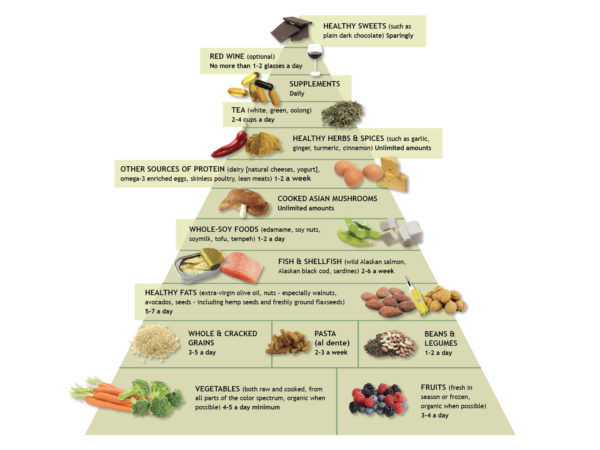
We probably won't have a definitive answer to the vasectomy/prostate cancer question before 2015 when we get results of the National Cancer Institute's Prostate, Lung, Colorectal, and Ovarian (PLCO) Cancer Screening Trial, which began in 1992 and is evaluating risk factors for all these disease. In the meantime, I wouldn't worry too much about the risk vasectomy may pose. Because of your husband's family history of prostate cancer, I recommend that he try to lower his risk in other ways, such as by reducing consumption of animal foods and fat, increasing consumption of soy foods and Omega-3 fatty acids, and generally eating more fruits and vegetables, including cooked tomatoes, which contain lycopene, a carotenoid pigment that helps prevent prostate cancer.
Andrew Weil, M.D.