




Q & A Library


Print this page | Send to a friend | Sign up for free e-bulletins
 | Bookmark This Page

FREE E-Bulletins
Free HealthTips & Advice
Email


Bookmark and Share

Q
Is It Better To Be Fat?
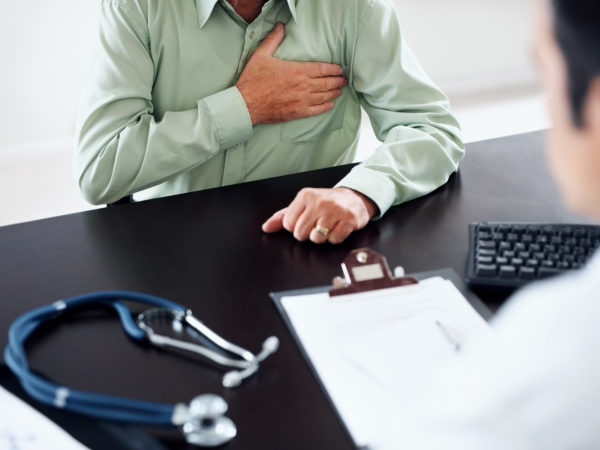
I’ve just read that obese men with heart disease do better overall than men of normal weight. If so, what’s the point of all this emphasis on weight control?
A
Answer (Published 8/6/2007)

I understand your frustration and puzzlement. In fact, results of a study published in the June 2007 issue of the American Journal of Medicine do suggest that obese men with heart disease symptoms tend to live longer than men whose weight is normal. For more than seven years, California researchers followed 6,876 men who came to Veterans' Administration hospitals for stress tests because they had symptoms consistent with heart disease. Initially, the men's heart disease risks were assessed via exercise stress tests; their blood pressure was checked; and they had blood tests to determine if they had diabetes. Over the years, the researchers found that obese men were 35 percent less likely to die than normal weight men.

Related Weil Products
Dr. Weil on Healthy Aging for Healthy Eating - Dr. Weil on Healthy Aging for Nutrition - Want to change your diet? The Dr. Weil on Healthy Aging online guide is your anti-inflammatory diet headquarters. Start your free trial and get access to an exclusive version of Dr. Weil's Anti-Inflammatory Food Pyramid, hundreds of recipes, eating guides, and more.

This isn't the first study to yield such perplexing results. Obesity has also been linked to longer survival among patients with congestive heart failure, and there's evidence that obese patients do better after heart bypass surgery. In addition, a study published in the June 20, 2007 issue of the European Heart Journal found that obese patients treated for one type of heart attack (with minimal damage to the heart muscle) were less than half as likely to die during the following three years as those with a normal body mass index who had the same procedure. For this study, researchers in Germany and Switzerland followed nearly 1,700 patients who had been admitted to hospitals between 1996 and 1999 with a narrowing of the arteries upon minimal physical exertion. The researchers reported that adjustments made when analyzing their data rule out the possibilities that the survival effect could be a result of the obese patients being younger or more likely to be on drugs to lower cholesterol, and blood pressure.

advertisement

Some evidence suggests that doctors may treat obese patients more aggressively, thus accounting for the so-called "obesity paradox," but clearly, we need more research to see what's going on here. In the meantime, if you're trying to lose weight to improve your heart health, I would encourage you to keep at it. Mystifying as the results of these studies are, keeping your weight under control with healthy eating and exercise is still the key to avoiding a heart attack in the first place.

Andrew Weil, M.D.

What's your view of the obesity paradox? Click here to air your views in our discussion groups.
Creative Commons License Some Rights Reserved Creative Commons Copyright Notice
A portion of the original material created by Weil Lifestyle, LLC on DrWeil.com (specifically, all question and answer-type articles in the Dr. Weil Q&A Library) is licensed under a Creative Commons Attribution-Noncommercial-No Derivative Works 3.0 United States License.
advertisement
 
Copyright © 2010 Weil Lifestyle, LLC
Information on this web site is provided for informational purposes only and is not intended as a substitute for the advice provided by your physician or other healthcare professional. You should not use the information on this web site for diagnosing or treating a health problem or disease, or prescribing any medication or other treatment.