

Q & A Library


Print this page | Send to a friend | Sign up for free e-bulletins
 | Bookmark This Page

FREE E-Bulletins
Free HealthTips & Advice
Email


Bookmark and Share

Q
Uveitis: Treating a Dangerous Eye Disease?
I've been diagnosed with uveitis, and have been told that the only treatment is steroid eye drops. Is there anything natural I can take instead?
A
Answer (Published 7/9/2007)

Uveitis is an inflammation of the uvea, the middle layer of the eye between the retina and the outer sclera, (or "white" of your eye). The uvea, or uveal tract, includes the iris and the dark, pigmented area known as the choroid that contains the jelly-like vitreous humor, as well as blood vessels that ferry blood and nutrients into and out of the eye. Uveitis can begin with redness and pain or with painless blurring of vision. Other symptoms include light sensitivity and floaters (annoying spots or lines in your visual field). Unchecked inflammation of the uvea can lead to loss of vision and accounts for as much as 10 percent of cases of blindness in the U.S.

Related Weil Products
Dr. Weil's Vitamin Advisor - If you are interested in supplementing your diet but don't know where to start, take Dr. Weil's Vitamin Advisor. It is free, and provides a personalized recommendation based on your health history. Visit today!

The most common form of uveitis affects the iris, the colored part of the eye that controls the size of the pupil. Often called "iritis," this condition tends to occur along with rheumatoid arthritis and other autoimmune diseases such as ulcerative colitis and Crohn’s disease. Uveitis also can affect the retina and the choroid. Here, in addition to autoimmunity, the cause may be an infection with the herpes virus or other germs, such as those to blame for syphilis, toxoplasmosis, and tuberculosis. Sometimes, uveitis follows injury to the eye, but in up to one-half of all cases the cause can’t be determined and may be related to stress. Potential complications include glaucoma, cataracts, the growth of new, abnormal blood vessels in the affected tissue, and damage to the retina.

advertisement

Antibiotics can help when uveitis is due to infections, but otherwise, conventional treatment relies on steroid eye drops to ease the inflammation, in conjunction with drops that dilate the pupils (to prevent scarring). In my opinion, steroid drops should be used for short-term therapy to reduce symptoms but not for long periods of time, as they are suppressive, not curative.

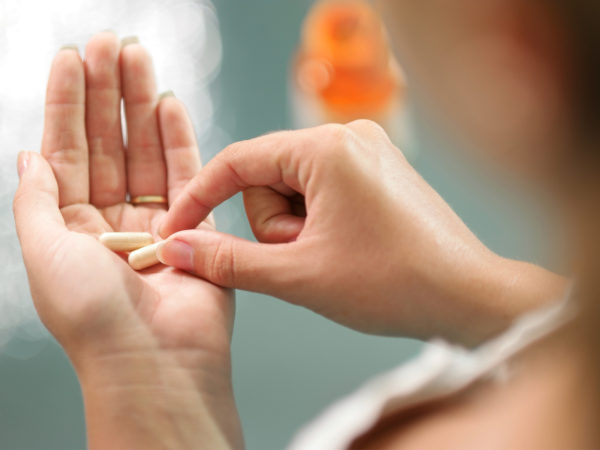
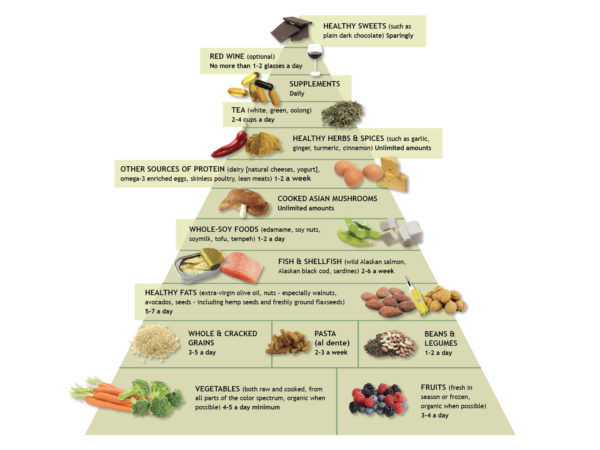
I recommend an anti-inflammatory diet consisting largely of vegetables, fruit, fish and whole grains, and suggest taking Zyflamend, a natural anti-inflammatory product from New Chapter Inc. that contains ginger, turmeric, green tea and other herbs that moderate inflammation associated with autoimmune diseases. An antioxidant vitamin and mineral supplement formulated for eye health would also be a good idea. The Weil Vision Support Formula and Ocuvite are two good choices. In addition, I urge you to try mind/body approaches such as hypnosis or guided imagery to modify abnormal immune function and promote healing. Chinese medicine may also be effective. If your symptoms include sensitivity to light, be sure to wear dark glasses.

Andrew Weil, M.D.

Have you been treated for uveitis? Click here to describe your experience in our discussion groups.
Creative Commons License Some Rights Reserved Creative Commons Copyright Notice
A portion of the original material created by Weil Lifestyle, LLC on DrWeil.com (specifically, all question and answer-type articles in the Dr. Weil Q&A Library) is licensed under a Creative Commons Attribution-Noncommercial-No Derivative Works 3.0 United States License.
advertisement
 
Copyright © 2010 Weil Lifestyle, LLC
Information on this web site is provided for informational purposes only and is not intended as a substitute for the advice provided by your physician or other healthcare professional. You should not use the information on this web site for diagnosing or treating a health problem or disease, or prescribing any medication or other treatment.