

Q & A Library


Print this page | Send to a friend | Sign up for free e-bulletins
 | Bookmark This Page

FREE E-Bulletins
Free HealthTips & Advice
Email


Digg!

Q
Easy on the Black Pepper?
Someone told me that black pepper can be poisonous if you use a lot. True?
A
Answer (Published 12/19/2006)

Maybe, but you would have to use an awful lot of pepper for a long time to run into trouble. The concern about pepper arises from one of its components, safrole, also found in small amounts in star anise, nutmeg, witch hazel, and basil. In the 1960s, the FDA banned the use of safrole in food in the United States after it was found that injecting large amounts caused liver cancer in lab rats. Perhaps the biggest effect of this ban has been to eliminate the use of sassafras root in the making of root beer. Volatile oils found in the bark of the root of the sassafras plant are 80 percent safrole. Nowadays, sassafras can be used as an ingredient in root beer only if the safrole is removed through a laboratory extraction process.

Related Weil Products
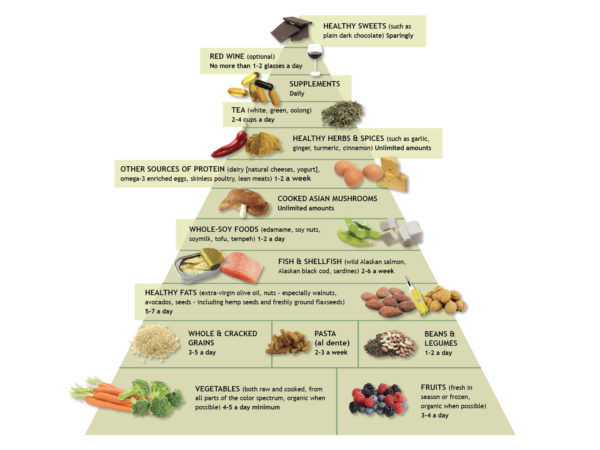
Dr. Weil on Healthy Aging for Healthy Eating - Dr. Weil on Healthy Aging for Nutrition - Want to change your diet? The Dr. Weil on Healthy Aging online guide is your anti-inflammatory diet headquarters. Start your free trial and get access to an exclusive version of Dr. Weil's Anti-Inflammatory Food Pyramid, hundreds of recipes, eating guides, and more.

Black pepper is the most popular spice in the world, and black, green and white peppercorns all come from the black pepper plant (Piper nigrum), native to Asia. Black is the whole, partially ripened fruit; green is the unripe fruit; and white is the peeled seed.

I'm not that concerned about safrole. Eating moderate amount of it in plant products (such as sassafras tea) is not comparable to injecting large amounts of the pure chemical into the abdomens of rats. But black pepper can be an irritant of the GI tract, urinary tract, and prostate, and I don't think it should be consumed frequently in quantity.

advertisement

I generally don't let waiters grind their pepper mills over my food at restaurants until I taste it first. For a hot spice, I prefer red pepper, which comes from a different plant (Capsicum spp.), doesn't have any natural carcinogenic activity, has a long history of medicinal use, and provides healthful carotenoids. It can help lower cholesterol and stimulate circulation, and can actually help heal the lining of the stomach.

While we're on the subject of pepper, you should know that pink peppercorns are not true pepper. They're the dried berries of the Brazilian pepper tree (Schinus terebinthfolius) and have become popular despite questions about their safety. Pink peppercorns can cause symptoms resembling those of poison ivy/oak, as well as headaches, swollen eyelids, shortness of breath, chest pains, sore throat, hoarseness, upset stomach, diarrhea and hemorrhoids. I avoid them.

Finally, Sichuan peppercorns, used in East Asian cuisine, are the dried fruits of the prickly ash tree (Zanthoxylum piperitum). They have an interesting numbing effect on the tongue in addition to a peppery flavor, and their toxicity appears to be minimal.

Andrew Weil, M.D.

What's your take on pepper? Click here to state your case in our discussion groups.
advertisement
 
Copyright © 2009 Weil Lifestyle, LLC
Information on this web site is provided for informational purposes only and is not intended as a substitute for the advice provided by your physician or other healthcare professional. You should not use the information on this web site for diagnosing or treating a health problem or disease, or prescribing any medication or other treatment.