

Q & A Library


Print this page | Send to a friend | Sign up for free e-bulletins
 | Bookmark This Page

FREE E-Bulletins
Free HealthTips & Advice
Email


Bookmark and Share

Q
Fretting about Fibroids?
I've just learned that I have uterine fibroids. What's the best treatment?
A
Answer (Published 6/6/2006)

About 50 percent of all Caucasian women and 72 percent of all African American women develop uterine fibroids. Most of these growths cause no symptoms and are discovered during a routine pelvic exam or prenatal ultrasound. In the past, doctors often recommended hysterectomy for large asymptomatic fibroids, but today the medical consensus is that no treatment is needed unless these tumors cause problems. Although fibroids may cause no symptoms, they can complicate pregnancy leading to a higher rate of cesarean sections and greater risks that the baby will be malpositioned and be born preterm.

Related Weil Products
Dr. Weil on Healthy Aging for Women's Health Issues - If you are going through menopause, a support group can be helpful. The Dr. Weil on Healthy Aging online guide has a vibrant, active community of supportive members, and a dedicated moderator to help guide you along. Start your 14-day free trial now!

Although we don't know what causes fibroids, they need estrogen to grow and begin to shrink when estrogen levels drop as menopause approaches.

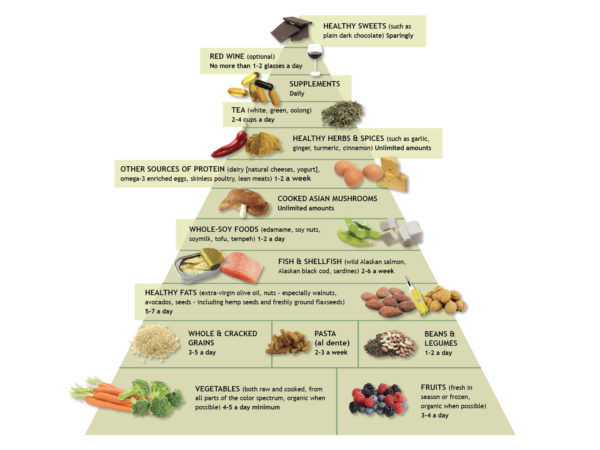
Symptomatic fibroids cause pain and heavy menstrual bleeding, sometimes leading to iron-deficiency anemia that requires treatment. You can try to shrink fibroids naturally by changing your diet. If you're overweight, try to lose pounds - estrogen is metabolized in body fat, so the leaner you are, the less estrogen your body produces. Avoid foods that may contain added hormones, including conventionally produced beef and dairy products. Regular consumption of the phytoestrogens in soy and other beans may help, as will regular aerobic exercise, which lowers estrogen levels. Visualization can help as well, taking advantage of the mind/body connection to decrease fibroid size.

advertisement

Several drugs can shrink fibroids but won't eliminate them, and can cause many unpleasant side effects. One type, Gn-RH agonists, temporarily turns off the menstrual cycle. As a result, estrogen levels fall causing the fibroids to shrink by as much as half. However, when you go off the drug, the tumors usually re-grow. The side effects of these drugs include hot flashes, breast tenderness and decreased sexual desire. Other drugs, similar to testosterone, can shrink fibroids, but cause numerous side effects including weight gain, unwanted hair growth, acne, headaches, depression and anxiety.

The following conventional procedures (short of hysterectomy) are available to shrink or eliminate fibroids:


  • Myomectomy: Surgery to remove fibroids leaving the uterus in place. Uterine artery embolization: A procedure to shrink fibroids by cutting off their blood supply. Small, inert particles are injected into the uterine artery via a catheter, blocking the local blood supply. The procedure itself takes about an hour, but most women stay overnight in the hospital because of cramping and pain that develop afterward.
  • Myolysis: Here, an electric current cuts off the blood supply to fibroids causing them to shrink and die. The current is delivered via surgical instruments usually inserted through a small incision in the navel.
  • Focused Ultrasound: In this new, outpatient procedure, radiologists locate fibroids via Magnetic Resonance Imaging (MRI), and then direct high-intensity ultrasound energy to heat and destroy them.


You should discuss all your options with your doctor. Each of these approaches has its pros and cons, and where you are in your reproductive years will have an influence on your choice.

Andrew Weil, M.D.

Creative Commons License Some Rights Reserved Creative Commons Copyright Notice
A portion of the original material created by Weil Lifestyle, LLC on DrWeil.com (specifically, all question and answer-type articles in the Dr. Weil Q&A Library) is licensed under a Creative Commons Attribution-Noncommercial-No Derivative Works 3.0 United States License.
advertisement
 
Copyright © 2010 Weil Lifestyle, LLC
Information on this web site is provided for informational purposes only and is not intended as a substitute for the advice provided by your physician or other healthcare professional. You should not use the information on this web site for diagnosing or treating a health problem or disease, or prescribing any medication or other treatment.