


Q & A Library


Print this page | Send to a friend | Sign up for free e-bulletins
 | Bookmark This Page

FREE E-Bulletins
Free HealthTips & Advice
Email


Bookmark and Share

Q
More Mercury in Fish?
I just read about high mercury levels found in fish being sold at supermarkets all over the country. This is so discouraging. What should consumers do to protect themselves?
A
Answer (Published 5/29/2006)

The latest look at mercury in fish did show that fish from supermarkets in 22 states had levels higher than we should be consuming. The University of North Carolina's Environmental Quality Institute tested swordfish and tuna sold at Whole Foods, Safeway, Albertsons and other big supermarkets between July 7 and August 11, 2005. The researchers found mercury levels higher than the legal limit in 24 swordfish samples. The tuna tested had mercury levels that averaged as high as those found in canned albacore tuna, a fish that the FDA and the Environmental Protection Agency has advised children and women of childbearing age to avoid.

Related Weil Products
Dr. Weil's Vitamin Advisor for Your Body - Foods, herbs and drugs can all interact, sometimes in unexpected ways. Dr. Weil's Vitamin Advisor takes known interactions into account when developing recommendations, to help safeguard against adverse effects. Learn more, and get your free, personalized Dr. Weil's Vitamin Advisor recommendation today.

Unfortunately, the results are not surprising. Mercury levels have been a problem for years, particularly in such species as shark, swordfish, king mackerel and tilefish. As you may know, in 2004, the FDA and EPA warned women of reproductive age to limit their consumption of some varieties of freshwater fish and some types of ocean fish. The mercury comes from natural sources as well as emissions from coal-fueled power plants that pollute the air and end up in the water - and in the fish. During pregnancy, mercury from fish the mother has eaten can get into the bloodstream of the fetus and harm the developing nervous system, which can lead to learning disabilities, developmental delays and other serious health problems.

advertisement

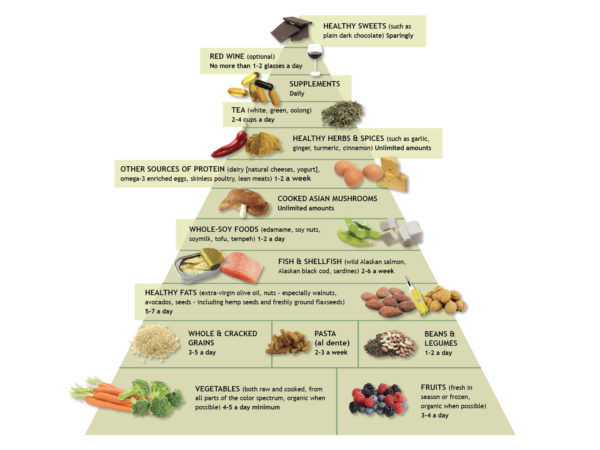
For years, I've been recommending that everyone avoid species of fish known to contain high levels of mercury and opt instead for wild Alaskan salmon (especially sockeye), sardines, herring and black cod (sablefish), which generally have lower levels.

In California, supermarkets are required to post signs notifying consumers that certain fish have high levels of mercury. The advocacy group Oceana has been campaigning to have supermarkets and groceries nationwide post the FDA advisory about which fish are particularly high in mercury at seafood counters and in the tuna aisles. Some supermarkets may be trying to educate consumers by making available a brochure produced by The Food Marketing Institute illustrating 20 types of fish and seafood that are low in mercury. I'll continue to follow this story and update you as new information comes to light. In the meantime, you may want to keep up yourself via Oceana (www.oceana.org) or the Environmental Working Group (www.ewg.org).

Andrew Weil, M.D.

Creative Commons License Some Rights Reserved Creative Commons Copyright Notice
A portion of the original material created by Weil Lifestyle, LLC on DrWeil.com (specifically, all question and answer-type articles in the Dr. Weil Q&A Library) is licensed under a Creative Commons Attribution-Noncommercial-No Derivative Works 3.0 United States License.
advertisement
 
Copyright © 2010 Weil Lifestyle, LLC
Information on this web site is provided for informational purposes only and is not intended as a substitute for the advice provided by your physician or other healthcare professional. You should not use the information on this web site for diagnosing or treating a health problem or disease, or prescribing any medication or other treatment.