

Q & A Library


Print this page | Send to a friend | Sign up for free e-bulletins
 | Bookmark This Page

FREE E-Bulletins
Free HealthTips & Advice
Email


Bookmark and Share

Q
Dueling Hair and Skin Disorders?
I have been diagnosed with both dermatitis herpetiformis and alopecia areata in the same week. I feel there is a connection. What treatment do you recommend?
A
Answer (Published 1/17/2006)

You're right - there is a connection. Dermatitis herpetiformis (DH), a chronic skin condition, predisposes you to a long list of autoimmune disorders, including thyroid disease and alopecia areata (marked by bald patches on the scalp). With DH you get itchy watery blisters that may look like pimples. The problem is triggered by an immune system response to gluten, the protein in wheat, rye, and barley.

Related Weil Products
Dr. Weil's Vitamin Advisor for Your Personal Care - Thousands of people have benefited from Dr. Weil's supplement recommendations, designed to complement your lifestyle and optimize your health. Learn more, and get your free, personalized Dr. Weil's Vitamin Advisor Recommendation today.

The best way to treat this condition is with a gluten-free diet. That means avoiding wheat (including durum, semolina, kamut and spelt), rye, barley and triticale (a wheat/rye combination) and anything that they're found in. Gluten-containing foods can include products as diverse as some types of broth, processed meats, soy sauce and pastas. It may take a while on a gluten-free diet before you get lasting relief from the blistering and itchiness of DH, but it is the most dependable treatment.

In alopecia areata the immune system attacks hair follicles. This causes hair to fall out, usually in small patches about the size of a quarter. Most people don't lose all their hair but some lose a lot. In the most severe cases, people lose all the hair on their heads and everywhere else on their bodies, a condition known as alopecia universalis.

advertisement

Treatment with steroids and other drugs including Minoxidil (Rogaine) can sometimes prompt hair to re-grow, but steroids present the risk of serious side effects and the other drugs don't work for everyone. Instead, I recommend dealing with autoimmune diseases by experimenting with some type of mind/body treatment - hypnosis, psychotherapy, biofeedback, or guided imagery therapy. Chinese and Ayurvedic medicine are also worth exploring. In addition, you can try the following dietary measures:


  • Decrease protein intake toward 10 percent of daily calories; replace animal protein as much as possible with plant protein.
  • Eliminate milk and milk products, substituting other calcium sources.
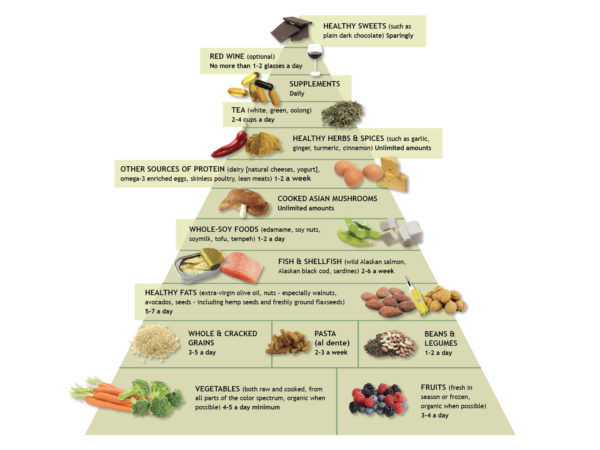
  • Eat more fruits and vegetables regularly and make sure that they are organically grown.
  • Eliminate polyunsaturated vegetable oils, margarine, vegetable shortening, all partially hydrogenated oils, and all foods (such as deep-fried foods) that might contain trans-fatty acids. Use extra-virgin olive oil as your main fat.
  • Increase your intake of omega-3 fatty acids.
  • Take black currant oil or evening primrose oil capsules as sources of GLA (gamma-linolenic acid), an essential fatty acid that improves the health of skin and hair. The usual dose is 500mg twice a day.


Andrew Weil, M.D.

Creative Commons License Some Rights Reserved Creative Commons Copyright Notice
A portion of the original material created by Weil Lifestyle, LLC on DrWeil.com (specifically, all question and answer-type articles in the Dr. Weil Q&A Library) is licensed under a Creative Commons Attribution-Noncommercial-No Derivative Works 3.0 United States License.
advertisement
 
Copyright © 2010 Weil Lifestyle, LLC
Information on this web site is provided for informational purposes only and is not intended as a substitute for the advice provided by your physician or other healthcare professional. You should not use the information on this web site for diagnosing or treating a health problem or disease, or prescribing any medication or other treatment.