

Q & A Library


Print this page | Send to a friend | Sign up for free e-bulletins
 | Bookmark This Page

FREE E-Bulletins
Free HealthTips & Advice
Email


Digg!

Q
Is Broccoli Bad for the Thyroid?
I have low thyroid function and am being treated with thyroid hormone replacement. I've recently become concerned about eating cruciferous vegetables, which I understand can interfere with thyroid synthesis. Should I avoid them?
A
Answer (Published 6/21/2005)

No, you should keep enjoying them. It is true that cruciferous vegetables such as cabbage, kale, Brussels sprouts, broccoli and cauliflower contain natural chemicals called goitrogens (goiter producers) that can interfere with thyroid hormone synthesis. Other foods that contain these chemicals include corn, sweet potatoes, lima beans, turnips, peanuts, cassava (YUCA), canola oil and soybeans. Fortunately, the goitrogens in these foods are inactivated by cooking, even by light steaming, so there is no need to forego the valuable antioxidant and cancer- protective effects cruciferous vegetables afford.

Related Weil Products
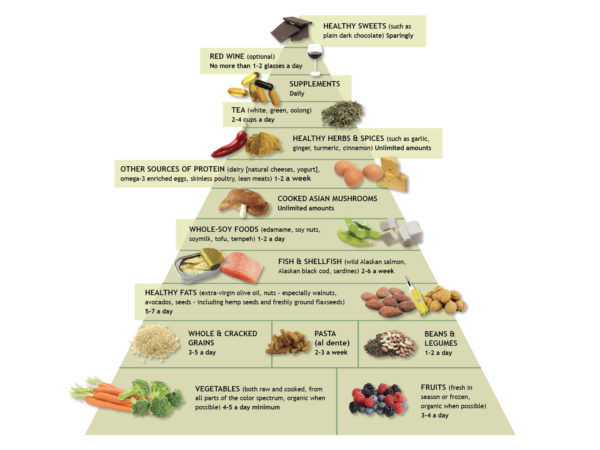
Dr. Weil on Healthy Aging for Healthful Eating - Dr. Weil on Healthy Aging for Healthful Eating - Want to eat healthy? Dr. Weil on Healthy Aging is your anti-inflammatory diet headquarters. Start your 14-day free trial now for access to eating guides, hundreds of recipes, an exclusive version of Dr. Weil's Anti-Inflammatory Food Pyramid and more!

However, if you habitually eat a lot of cruciferous vegetables raw, you should let your physician know. A simple blood test can reveal whether or not the dose of the thyroid hormone replacement drug you are taking is adequate. You should have a blood test once a year in any event. Your dose may need to be adjusted if you gain or lose weight, if you are pregnant, and, sometimes, if you start or stop birth control pills. Some medications, including antacids containing aluminum, can also interfere with thyroid hormone absorption and require an adjustment in dosage.

advertisement

You should further be aware that excess consumption of soy can be a problem when you're taking thyroid replacement medication. Be sure to tell your physician how much soy you're eating so your dosage can be adjusted, if necessary. Eating soy foods at the same time that you take thyroid hormone can interfere with its absorption so, to be safe, don't eat soy within three hours of taking your medication. You are unlikely to run into a problem with moderate soy consumption - one serving a day of whole soy products, such as one cup of soy milk or one half cup of tofu, soy protein (tempeh), or crispy soy nuts.

Andrew Weil, M.D.

advertisement
 
Copyright © 2008 Weil Lifestyle, LLC
Information on this web site is provided for informational purposes only and is not intended as a substitute for the advice provided by your physician or other healthcare professional. You should not use the information on this web site for diagnosing or treating a health problem or disease, or prescribing any medication or other treatment.