


Q & A Library


Print this page | Send to a friend | Sign up for free e-bulletins
 | Bookmark This Page

FREE E-Bulletins
Free HealthTips & Advice
Email


Bookmark and Share

Q
Overcoming Autoimmune Disorders?
My 16-year-old son seems plagued with autoimmune diseases. At age 13 he was diagnosed with myasthenia gravis, then with chronic urticaria, and now with Hashimoto's thyroid disease. He is on many medications. Is there any other way we can help him to manage all of this?
A
Answer (Published 6/14/2004)

I'm sorry to hear that your son has been challenged by so many autoimmune conditions. Myasthenia gravis is a chronic neuromuscular disease that causes muscle weakness that worsens during activity and improves with rest. The disorder can affect facial muscles (including eye and eyelid movement), chewing, talking, and swallowing. It occurs when the immune system produces antibodies that attack or destroy receptors for the neurotransmitter acetylcholine. Like other autoimmune diseases, myasthenia gravis can go into remission temporarily, sometimes for long periods of time.

Related Weil Products
Dr. Weil's Vitamin Advisor for Autoimmune Issues - Do you know which vitamins to take? Find out what is recommended for your optimum health with your free, personalized Dr. Weil's Vitamin Advisor Profile.

Urticaria is the medical term for hives, which can become chronic. Hives develop when the body releases, histamine, a regulatory chemical that dilates blood vessel walls and allows fluids to leak into surrounding tissues, which causes swelling and itching. This can happen as a result of an allergic reaction or might be an immune system reaction to components of skin.

advertisement

Hashimoto's thyroid disease is the result of an immune system attack on the thyroid gland, causing damage that interferes with the normal production of thyroid hormones. Once diagnosed, the disorder can be treated with replacement thyroid hormones.

Because autoimmune diseases tend to flare up in response to emotional ups and downs, encourage your son to try some form of mind/body treatment - hypnosis may be especially helpful. Psychotherapy, biofeedback and guided imagery are also good options. You might try consulting a practitioner of homeopathy or Chinese medicine to get at the underlying problem. In addition, the following dietary changes may help:

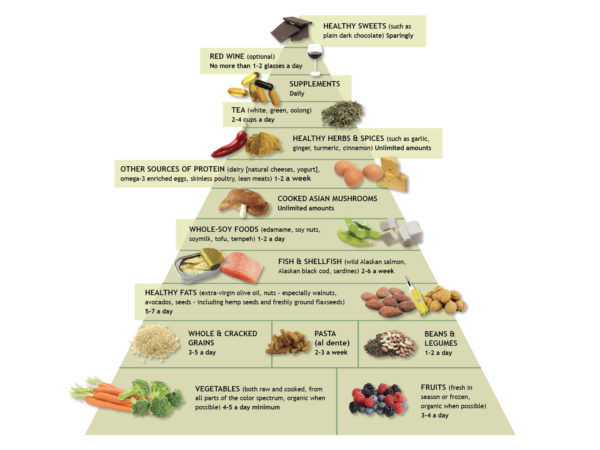
  • Reduce protein intake to 10 percent of total calories; replace animal protein as much as possible with plant protein.
  • Eliminate milk and milk products (substitute other calcium sources).
  • Eat more fruits and vegetables (make sure that they are organically grown).
  • Eliminate polyunsaturated vegetable oils, margarine, vegetable shortening, all partially hydrogenated oils, all foods (such as deep-fried foods) that might contain trans-fatty acids. Use extra-virgin olive oil as your main fat.
  • Increase your intake of omega-3 fatty acids.
  • Take ginger (start with one capsule twice a day). Turmeric can also be helpful. Try "Turmeric Force" capsules from New Chapter and follow the dosage directions on the package.

Andrew Weil, M.D.

Creative Commons License Some Rights Reserved Creative Commons Copyright Notice
A portion of the original material created by Weil Lifestyle, LLC on DrWeil.com (specifically, all question and answer-type articles in the Dr. Weil Q&A Library) is licensed under a Creative Commons Attribution-Noncommercial-No Derivative Works 3.0 United States License.
advertisement
 
Copyright © 2010 Weil Lifestyle, LLC
Information on this web site is provided for informational purposes only and is not intended as a substitute for the advice provided by your physician or other healthcare professional. You should not use the information on this web site for diagnosing or treating a health problem or disease, or prescribing any medication or other treatment.