

Q & A Library


Print this page | Send to a friend | Sign up for free e-bulletins
 | Bookmark This Page

FREE E-Bulletins
Free HealthTips & Advice
Email


Bookmark and Share

Q
Healing an Anal Fissure?
Do you have any tips on how to deal with an anal fissure?
A
Answer (Published 3/5/2004)

An anal fissure is a tear in the lining of the anal canal usually in the posterior portion, often the result of constipation and straining to have bowel movements. Fissures also can be caused by anal trauma (including anal sex) and laxative abuse, and can occur during childbirth. Less commonly they can result from inflammatory bowel disease, sexually-transmitted diseases, or scarring, especially after prior surgical procedures.

Related Weil Products
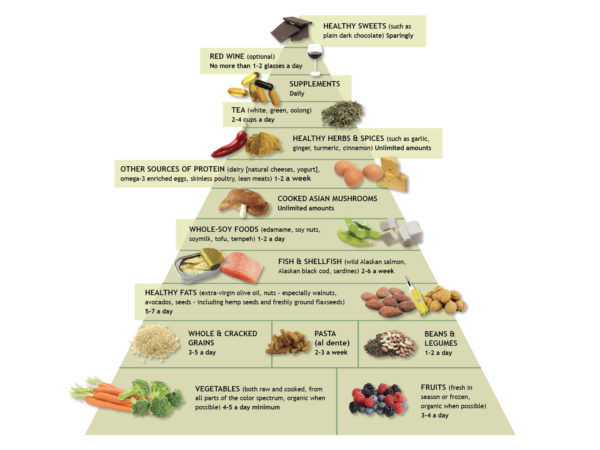
Dr. Weil on Healthy Aging - Your Online Guide to the Anti-Inflammatory Diet! - Everything you need to get started eating a healthful, satisfying diet is here - including eating and shopping guides, over 200 recipes, and an exclusive version of Dr. Weil's Anti-Inflammatory Food Pyramid! Start your 14-day free trial now - and start eating anti-inflammatory today!

Symptoms are sharp rectal pain and bleeding, usually during or following a bowel movement. The pain may be brief or can be a dull aching discomfort that lasts several hours. You may see blood on toilet paper or on the stool. Occasionally, anal itching is the major symptom, in which case a mucous discharge from the rectum usually is present.

Anal fissures often heal themselves without treatment, usually within several weeks. You can speed the process along by avoiding constipation and softening the stool by increasing the amount of fiber in your diet. Eat lots of vegetables, wheat bran, whole-grain breads and cereals and fruit. Make sure you're getting enough water - six to eight glasses per day. Insufficient fluids can contribute to constipation.

advertisement

Powdered psyllium, available at health food stores, is a quality source of supplemental fiber. Be sure to drink plenty of water when you take psyllium, otherwise the fiber can form an obstructing mass, worsening constipation. Start with one rounded tablespoon of the powder stirred well into a glass of water or diluted juice. Drink it down and follow with another glass of water.

Until the fissure heals you probably will want to take a stool softener such as Dialose, Colace, or another product containing docusate, a drug that is available over the counter. To relax the sphincter (the muscle that controls the anal opening) try taking sitz baths (sitting in warm water for 20 to 30 minutes several times a day). This should also increase blood flow to the injured area, promoting healing.

To relieve pain, conventional medicine recommends topical pain relievers such as lidocaine jelly. You also might try inserting a piece of aloe to see if that helps or you can try using compresses of witch hazel. Be sure to avoid such dietary irritants as coffee and spicy foods.

If none of these treatments help, see your doctor. A minor surgical procedure can remove the fissure and any nearby scar tissue.

Andrew Weil, M.D.

Creative Commons License Some Rights Reserved Creative Commons Copyright Notice
A portion of the original material created by Weil Lifestyle, LLC on DrWeil.com (specifically, all question and answer-type articles in the Dr. Weil Q&A Library) is licensed under a Creative Commons Attribution-Noncommercial-No Derivative Works 3.0 United States License.
advertisement
 
Copyright © 2010 Weil Lifestyle, LLC
Information on this web site is provided for informational purposes only and is not intended as a substitute for the advice provided by your physician or other healthcare professional. You should not use the information on this web site for diagnosing or treating a health problem or disease, or prescribing any medication or other treatment.